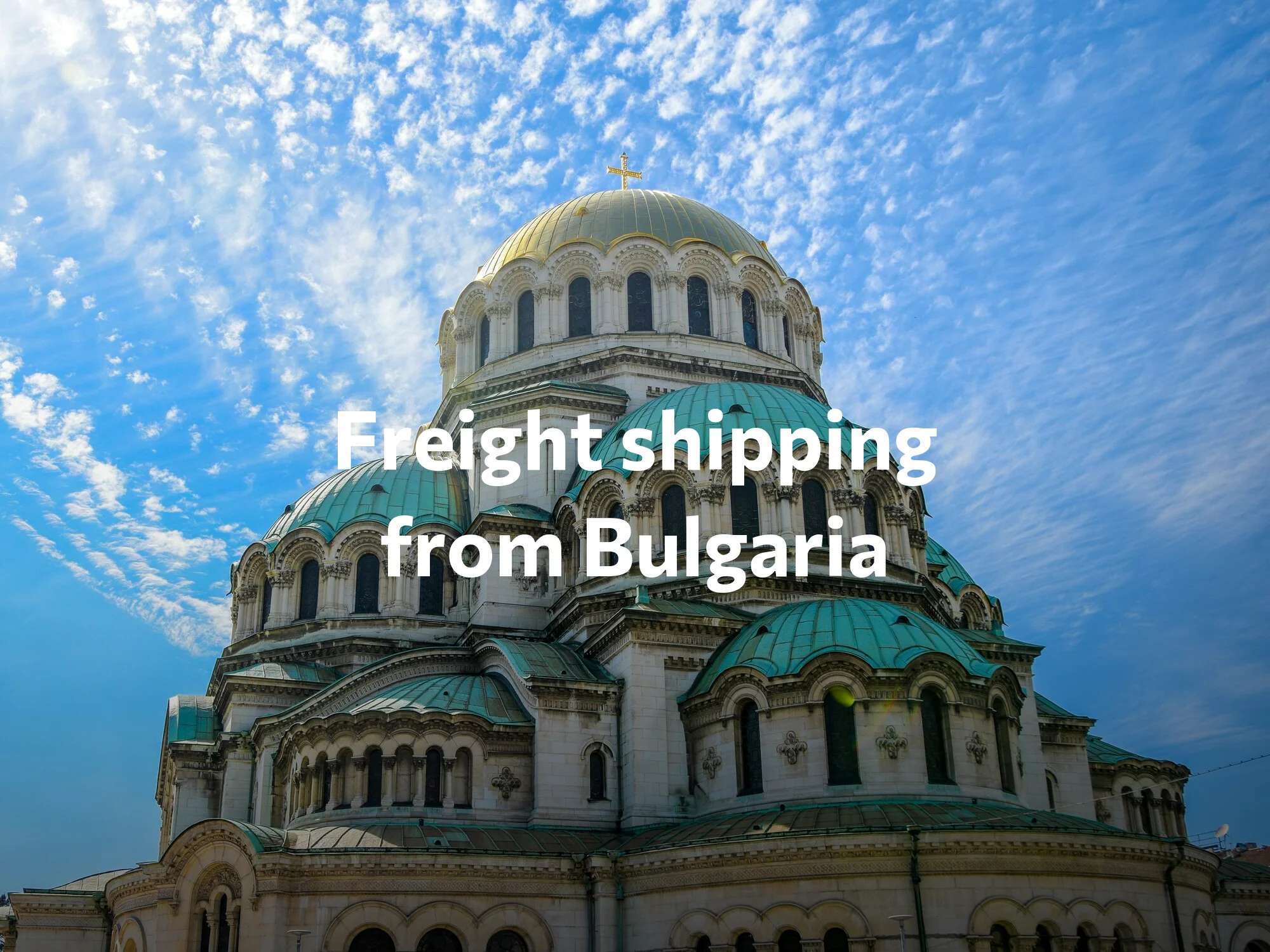
FWFreight is a leader in shipping services, specializing in freight shipping from Bulgaria to Turkey. We fully understand the nuances of international shipping from Bulgaria, ensuring your cargo reaches its destination securely and promptly. Our competence extends across sea, rail, air, and truck shipping, with a fleet of reliable vehicles and experienced crew to maintain service proficiency. With our robust forwarding services, we streamline the shipping process for our clients, meticulously handling all components from packing to customs clearance. Trust that your shipments from Bulgaria to Turkey are safe in our hands.
From a service perspective, FWFreight is your reliable logistics partner, dedicated to delivering unrivalled customer experience. We pride ourselves in consistently providing top-tier services to our global clientele, from domestic exporters to large-scale global importers. We offer tailored solutions and round-the-clock support to meet your specific needs, ensuring smooth, hassle-free transactions. With us, you not only get a logistics service provider but a committed partner who cares for your goods as much as you do. Rest assured, we strive to give you the best service in the world, making international shipping from Bulgaria a breeze.
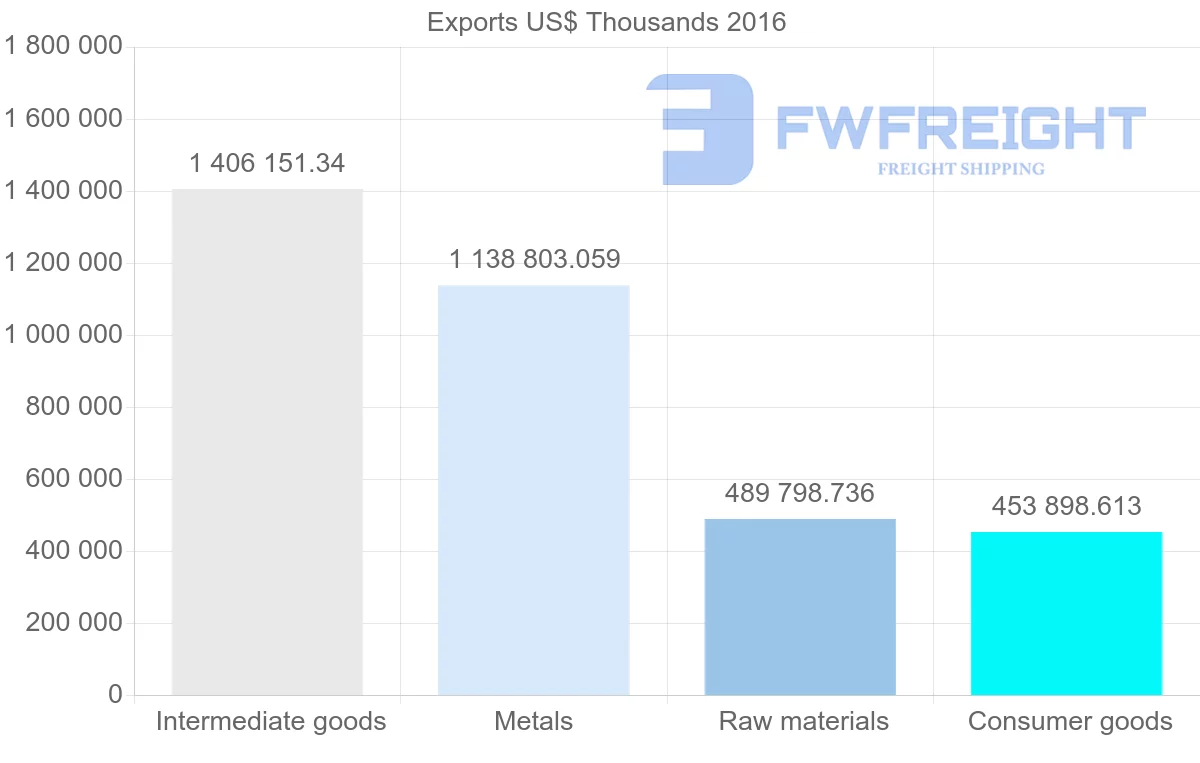 The top 5 export goods from Bulgaria to Turkey in 2016 were intermediate goods amounting to $1,406.15 million, metals at $1,138.80 million, raw materials at $489.80 million, and consumer goods at $453.90 million. Intermediate goods, which include components and materials used in the production process, made up the largest share of total exports to Turkey. Metals, such as steel and iron, were the second highest exported goods, followed by raw materials and consumer goods.
Exports in these categories are important to Bulgaria as they represent key sectors of the country's economy. For example, the production of metals and raw materials is centered in regions such as Plovdiv and Varna, where there are significant mining and manufacturing industries. The export of intermediate goods is also crucial for Bulgaria's economy as it showcases the country's role in the global supply chain, particularly in sectors like electronics and automotive.
These goods are important for import into Turkey as they support various industries in the country, such as manufacturing and construction. The regions in Bulgaria where these goods are supplied, such as Sofia and Burgas, benefit from the trade relationship with Turkey. Consumer goods, in particular, play a significant role in meeting the demand of the Turkish market, while metals and raw materials support Turkey's industrial production and infrastructure development. Overall, the strong trade ties between Bulgaria and Turkey in these key categories contribute to the economic growth and development of both countries.
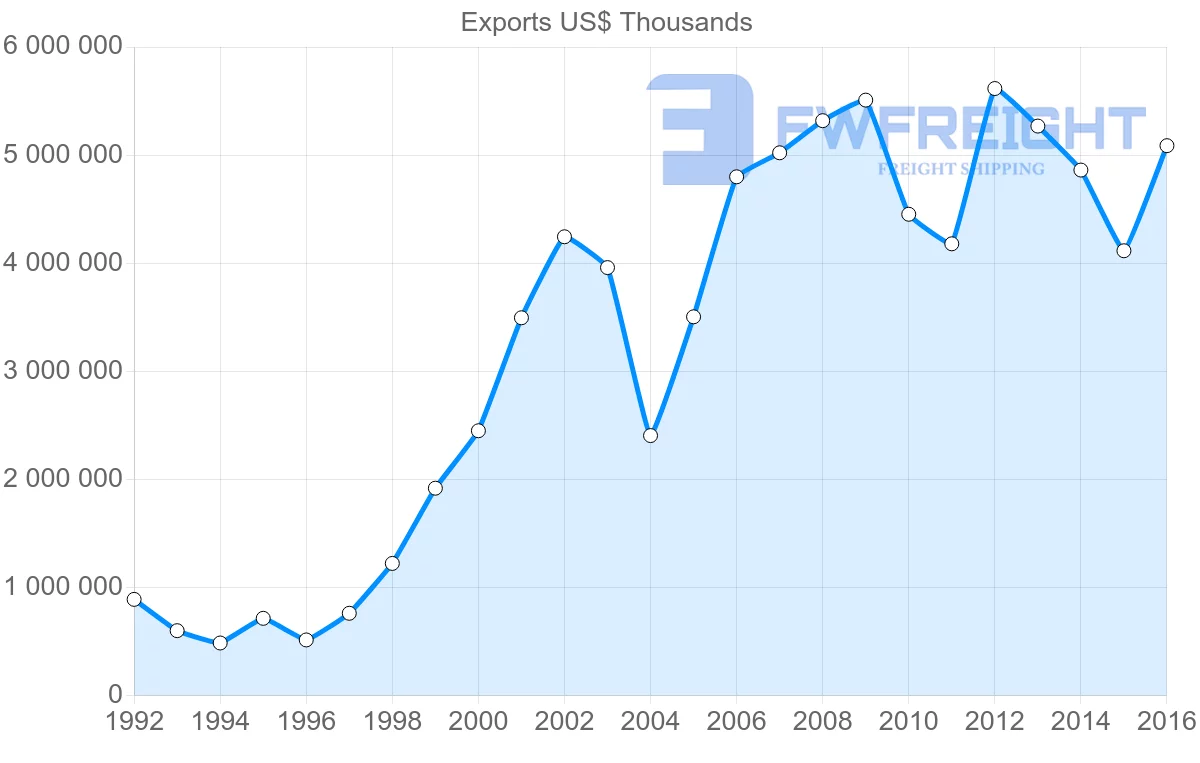 Over the past 25 years, the All Product Export from Bulgaria to Turkey has seen significant growth and fluctuations. In 1992, the export value was $890.18 million, which increased steadily until it reached its peak in 2012 at $5.61 billion. However, there were periods of decline, such as in 2003 when the value dropped to $395.95 million. The trade relationship between the two countries has generally been positive, with noticeable increases in export values in the early 2000s and mid-2010s. Overall, there has been a 531% increase in export value from 1992 to 2016, demonstrating the strengthening economic ties between Bulgaria and Turkey.
The main product groups that are exported from Bulgaria to Turkey include agricultural products, machinery, textiles, chemicals, and metals. Agricultural products such as fruits, vegetables, and grains are consistently top exports, reflecting Bulgaria's strong agricultural sector. Machinery and equipment exports have also seen growth, as Turkey's industrial sector continues to expand. Textiles and clothing are another significant export category, highlighting Bulgaria's role in the fashion industry. Additionally, chemical and metal exports contribute to the trade relationship, as both countries have growing manufacturing sectors. Overall, the diverse range of products exported from Bulgaria to Turkey showcases the depth of their trade relationship.
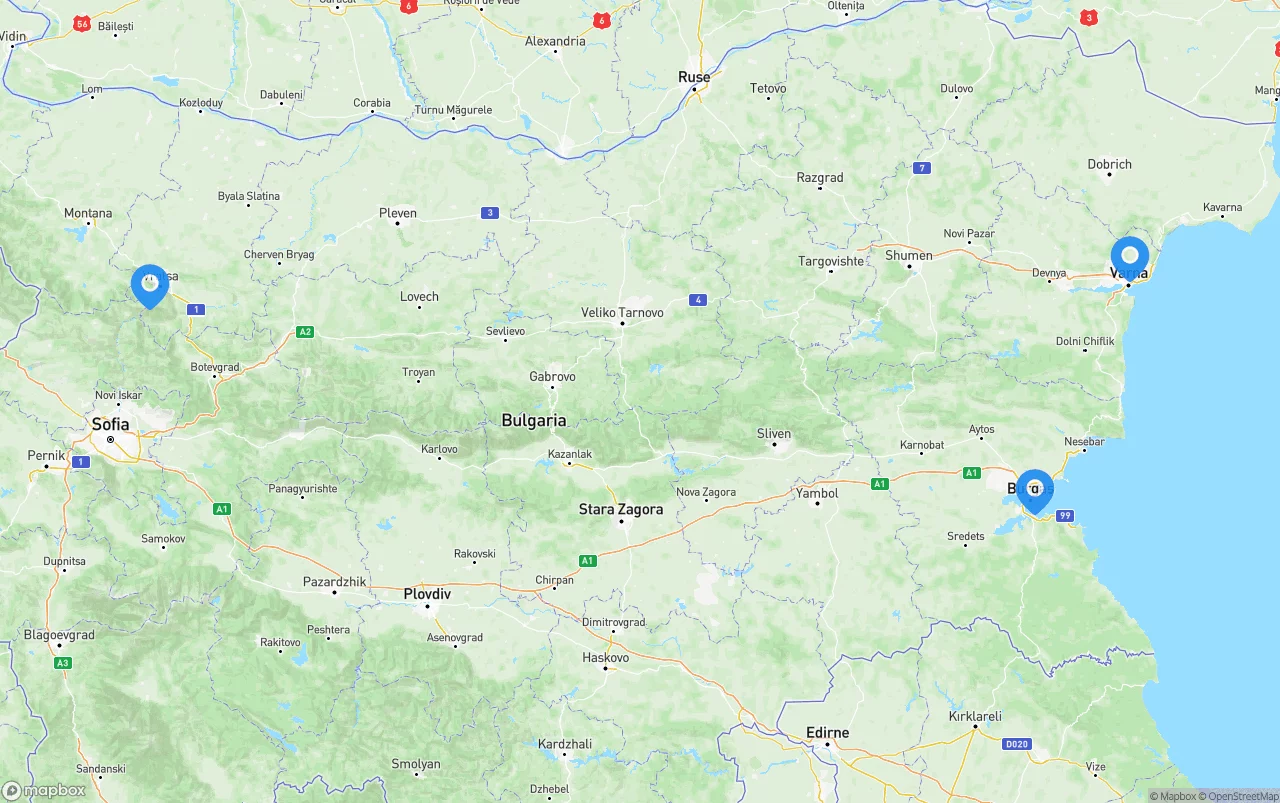 - Burgas Port: The largest port in Bulgaria, Burgas Port is strategically located on the Black Sea coast. It serves as a key gateway for trade between Europe, the Middle East, and Asia. The port handles various types of cargo, including containers, bulk cargo, and Ro-Ro shipments. It is also a popular cruise destination, attracting tourists from around the world.
- Sofia Port: Located on the Danube River, Sofia Port is an important inland port in Bulgaria. It plays a vital role in connecting the country's capital city, Sofia, to international trade routes. The port primarily handles bulk cargo, such as grains, coal, and construction materials. It also serves as a gateway for goods traveling to and from Eastern Europe.
- Varna Port: Another key port on the Black Sea coast, Varna Port is a major hub for container traffic in Bulgaria. It has modern facilities for handling containers, as well as bulk cargo, Ro-Ro shipments, and cruise vessels. The port is a key entry point for imports and exports, supporting the country's economy and trade relations with other countries.
- Balchik Port: Balchik Port is a small but important port on the Black Sea coast. It primarily serves the local fishing industry, as well as small cargo vessels and passenger ferries. The port plays a key role in supporting the region's economy and providing transportation options for residents and visitors.
- Kavarna Port: Kavarna Port is a medium-sized port on the Black Sea coast, known for its handling of bulk cargo and Ro-Ro shipments. The port serves as a key export point for agricultural products, as well as a gateway for imports coming into the region. Kavarna Port plays a vital role in supporting the local economy and trade activities.
Other ports in Bulgaria include:
- Ravda Port
- Nessebar Port
- Pomorie Port
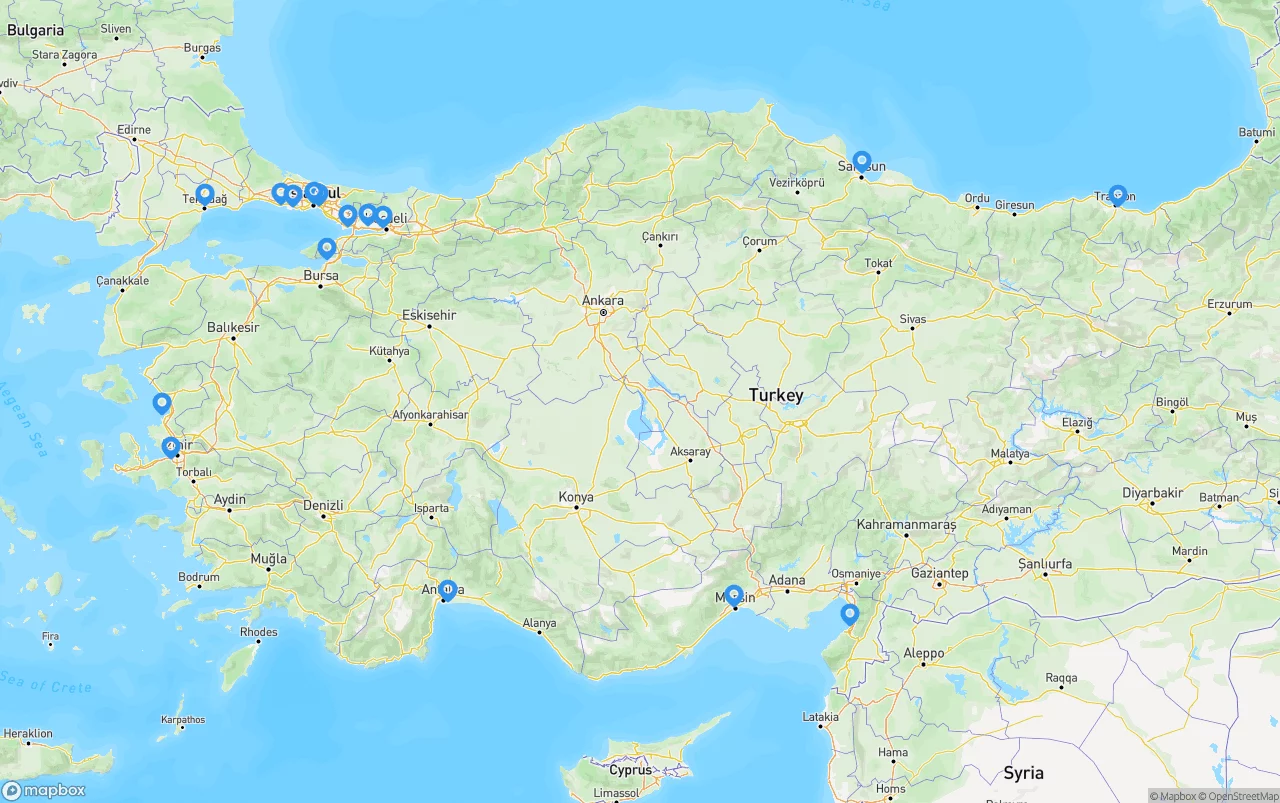 - Aliaga Port: Located in Izmir, Aliaga Port is one of Turkey's main ports for industrial and commercial activities. It is a major hub for container shipping, handling a large volume of cargo each year.
- Ambarli Port: Situated in Istanbul, Ambarli Port is the largest container terminal in Turkey. It plays a crucial role in facilitating trade between Europe and Asia, serving as a key gateway for goods entering and exiting the country.
- Antalya Port: Antalya Port is a popular cruise port on the Mediterranean coast of Turkey. In addition to tourism, it also serves as an important hub for cargo shipments, particularly for goods related to the region's agriculture and tourism industries.
- Gebze Port: Located near Istanbul, Gebze Port is a major industrial port that handles a diverse range of cargo, including containerized goods, bulk commodities, and project cargo. It is strategically positioned to serve the industrial heartland of Turkey.
- Gemlik Port: Gemlik Port, situated in Bursa, is a key gateway for trade in the Marmara region. It is a major hub for container shipping, handling a significant portion of Turkey's import and export trade.
Other notable ports in Turkey include: Haydarpasa Port, Iskenderun Port, Istanbul Port, Izmir Port, Izmit (Evyap) Port, Kumport Port, Mersin Port, Samsun Port, Tekirdag Port, Trabzon Port, Yarimca Port.
Looking for a freight forwarder in Bulgaria and Turkey? There is a list of the best freight forwarders, cargo agents, air, sea, land, river, railroad transport companies, logistics, brokers cargo services in Bulgaria and Turkey. Elevate your business's supply chain effectiveness by selecting the ideal freight forwarding partner.
Maximize your logistics efficiency between Bulgaria and Turkey by partnering with premier freight forwarders. These expert forwarders invest time to deeply understand your unique shipping requirements. Through a personalized and meticulous approach, they guarantee seamless shipment execution across borders, ensuring timely arrivals at every destination.
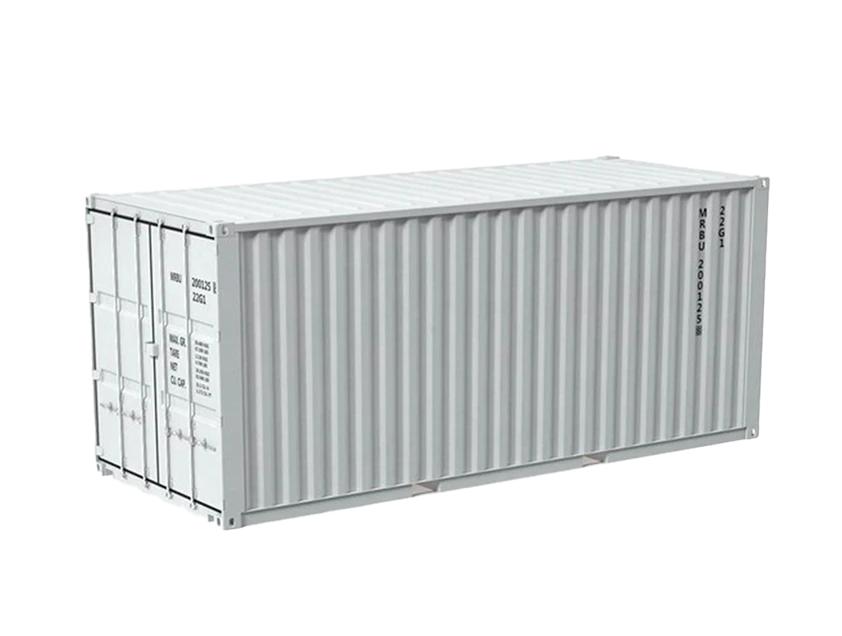
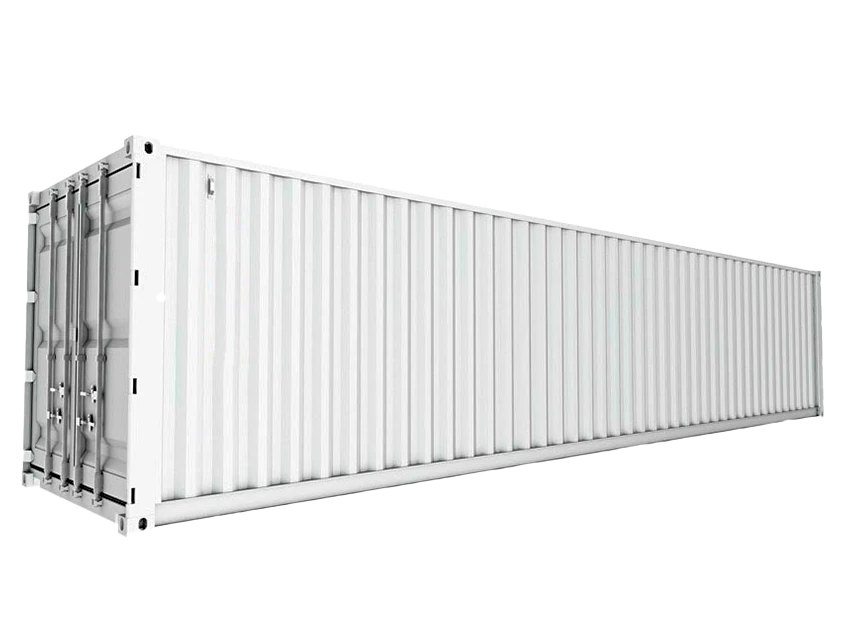
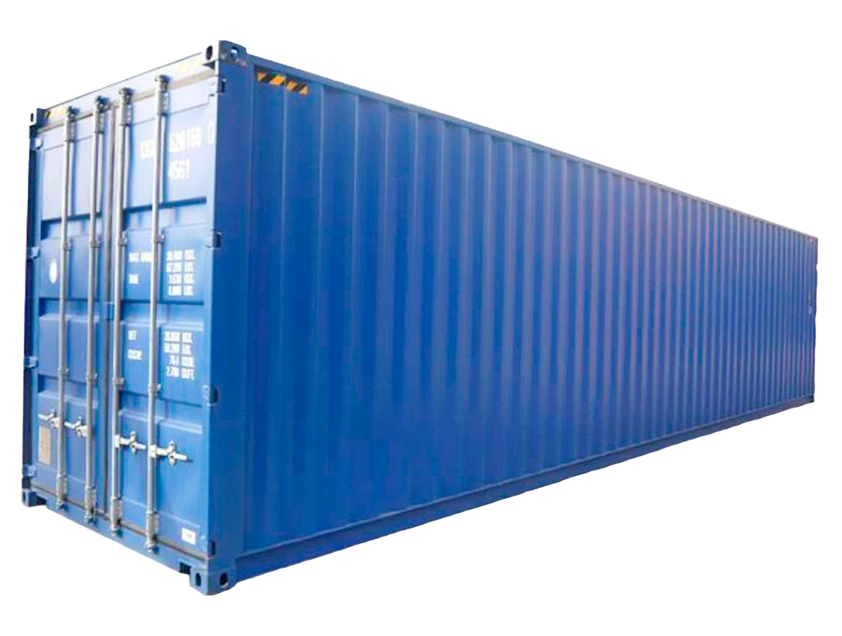
At FWFreight, we offer comprehensive international container shipping services tailored to meet your needs. We provide efficient and reliable shipping solutions from Bulgaria to Turkey. Here's a breakdown of our shipping options:
LCL from Bulgaria to Turkey (Less than Container Load):
For smaller shipments that don't fill an entire container, our LCL service is the perfect solution. We consolidate multiple shipments into one container, saving you time and money. With regular departures to Turkey from Bulgaria. Your cargo will reach its destination securely and on schedule.
FCL from Bulgaria to Turkey (Full Container Load):
If you have enough cargo to fill a whole container, our FCL service offers exclusive use of a container. This ensures your goods remain secure and minimizes the risk of damage during transit. Choose to 20 FT, 40 FT, or 40 HC containers, depending on the volume and nature of your cargo.
Air Freight from Bulgaria to Turkey:
When time is of the essence, our air freight service provides swift delivery for urgent shipments. With extensive networks and partnerships, we guarantee efficient handling and timely delivery of your cargo to Turkey to destinations across the globe.
Below is a table with Shipping Rates from Bulgaria to Turkey for various types of containers. You can use these Quick Quotes from Bulgaria to Turkey as a guideline. To get an Instant Rate from Bulgaria to Turkey for the necessary date, you can send a request.
For container transportation from Bulgaria to Turkey, various factors come into play. The size of the shipping container, the type of goods to be shipped, distance of the destination, and the shipping method (either Full Container Load or Less than Container Load) all directly affect the cost.
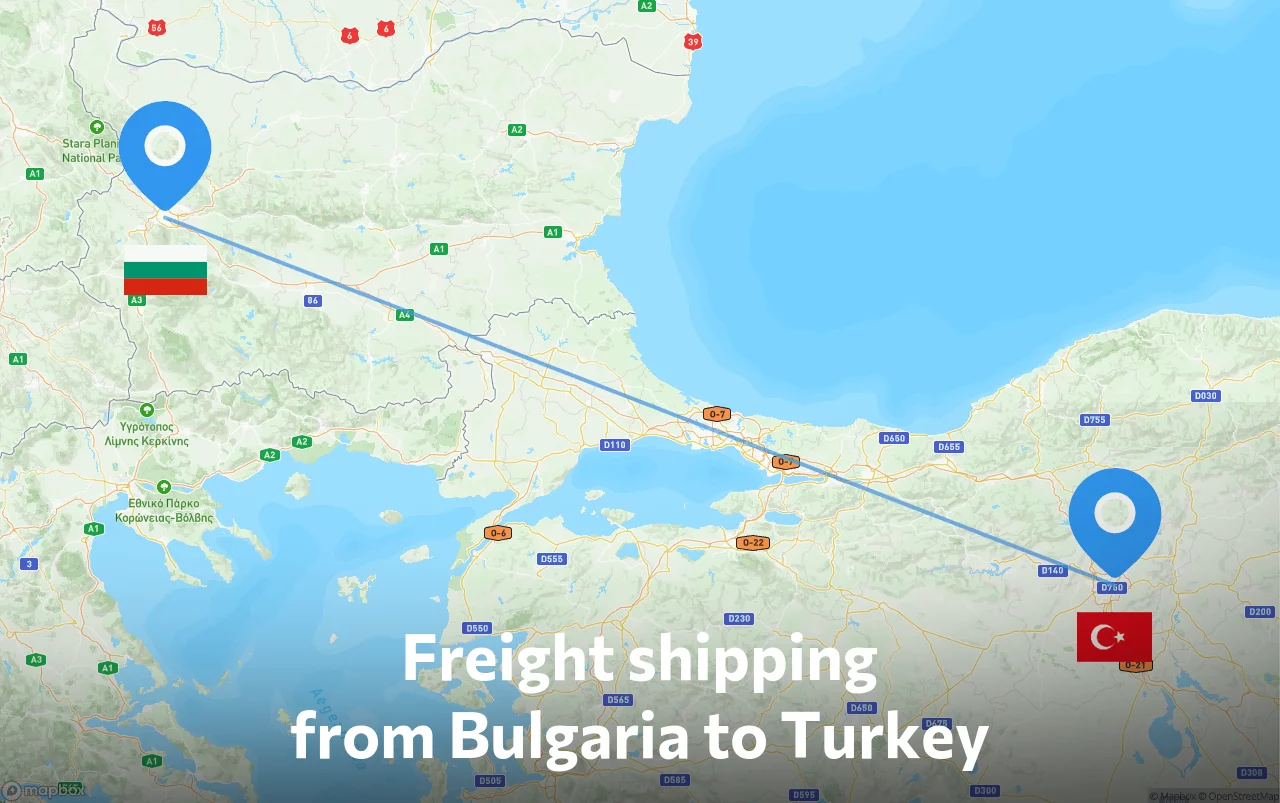 The average transit time for shipping cargo from Bulgaria to Turkey via sea freight typically ranges from 3 to 7 days, depending on the specific ports of departure and arrival. Factors such as the distance between the two countries, weather conditions, and logistical challenges can affect the overall shipping time. Additionally, customs clearance procedures at both ends can also impact the transit time. Shippers should consider these factors when planning their shipments and work with experienced logistics partners to ensure smooth and efficient delivery of their cargo.
To mitigate potential delays in customs clearance in Bulgaria and Turkey, shippers should ensure that all necessary documentation is in order and accurately filled out. Working with a reliable customs broker can help expedite the clearance process and avoid unnecessary hold-ups. Additionally, partnering with an experienced logistics provider, such as FWFreight, who specialises in transport services between Bulgaria and Turkey, can ensure that shipments are handled efficiently and effectively. By working with professionals who have expertise in navigating the customs process and managing logistics, shippers can minimize the risk of delays and ensure timely delivery of their cargo.
 At FWFreight, we are committed to providing outstanding freight shipping to Turkey. Our comprehensive services cover all areas of logistics, including sea, air, rail, truck and forwarding services, to meet your transportation needs. We understand how vital efficient and reliable shipping is to your business operations. Whether you are a local exporter or an international importer, we impeccably handle all aspects of your shipping, solidifying your confidence in our expertise and deepening our established reputation. Import to Turkey is our specialty, offering you competitive prices and ensuring your goods arrive safely and in a timely manner.
Our company stands out in the logistics sector with an unwavering commitment to exceptional service. At FWFreight, every customer is a special client, deserving the finest, world-class service. From the moment we pick your goods, through the international shipping to Turkey from other countries, until the delivery to your preferred destination, we are driven by a dedication to smooth, efficient services. With our vast network and experienced personnel, we handle all customs procedures, necessary paperwork, and unforeseen obstacles that may come across the shipping journey. All this is aimed at guaranteeing you peace of mind knowing that your goods are in the best hands.