FWFreight is a premier logistics provider specializing in freight shipping from Germany to Australia. As a trusted partner for both domestic exporters and global importers, we handle a variety of goods, ensuring they reach their destinations promptly and securely. Our core services span sea, air, rail, and truck shipments, offering comprehensive solutions tailored to meet individual clients' needs. Specializing in international shipping from Germany, we facilitate smooth and efficient transfers, navigating through customs regulations while mitigating cargo risks. When you entrust us with your cargo, you can rest assured knowing you've selected the right partner in global logistics.
At FWFreight, our customer-centric approach defines who we are. We take pride in rendering world-class services, ensuring each customer, regardless of their cargo size or shipping requirements, enjoys a seamless experience. Our commitment to delivering excellence, coupled with our versatile conveyance options, makes us a go-to choice for a plethora of customers across the globe. Unwavering integrity, prompt customer service, and sophisticated shipment-tracking systems underscore our operations. Whether your needs involve complex logistical challenges or simple freight forwarding, our company guarantees optimal solutions for every shipping scenario.
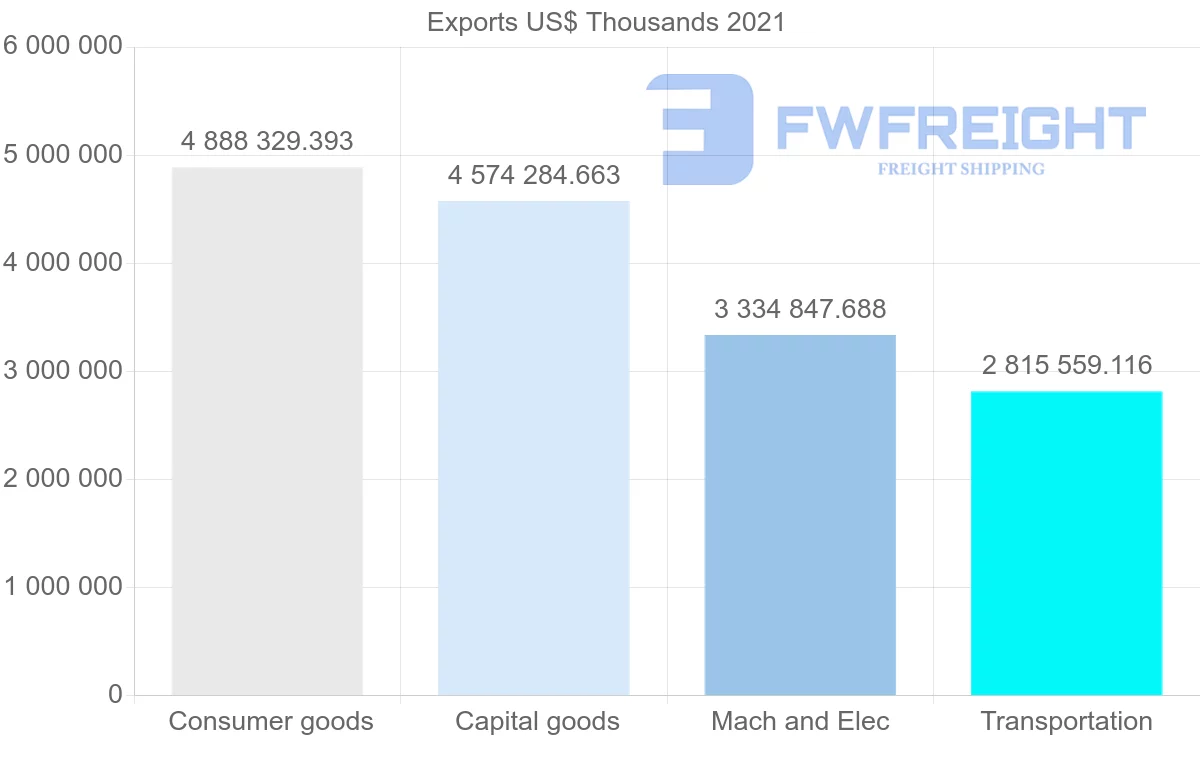 The top 5 export goods from Germany to Australia in 2021 were consumer goods at $4.89 billion, capital goods at $4.57 billion, machinery and electronics at $3.33 billion, and transportation equipment at $2.82 billion. Among consumer goods, popular exports included automobiles, pharmaceuticals, and clothing. Capital goods mainly consisted of industrial machinery, equipment, and vehicles. Machinery and electronics exports encompassed products such as computers, telecommunications equipment, and electrical machinery. Transportation equipment included vehicles like cars, trucks, and aircraft.
Exports in these categories are crucial to Germany due to their high value and contribution to the country's economy. Consumer goods help showcase Germany's manufacturing prowess, while capital goods contribute to industrial development and infrastructure projects. Machinery and electronics products are at the forefront of Germany's technological innovation, while transportation equipment supports its thriving automotive industry. These goods are primarily produced in regions such as Bavaria, Baden-Württemberg, and North Rhine-Westphalia, where manufacturing hubs and industrial clusters are concentrated.
These goods are important for import into Australia as they help meet the country's consumer demands, drive economic growth, and support various industries. Consumer goods like automobiles and electronics are in high demand among Australian consumers, while capital goods are essential for infrastructure development. Machinery and electronics products play a crucial role in enhancing productivity and innovation in Australian businesses, while transportation equipment aids in logistics and transportation services. These goods are supplied to regions like New South Wales, Victoria, and Queensland, where the majority of manufacturing and industrial activities take place.
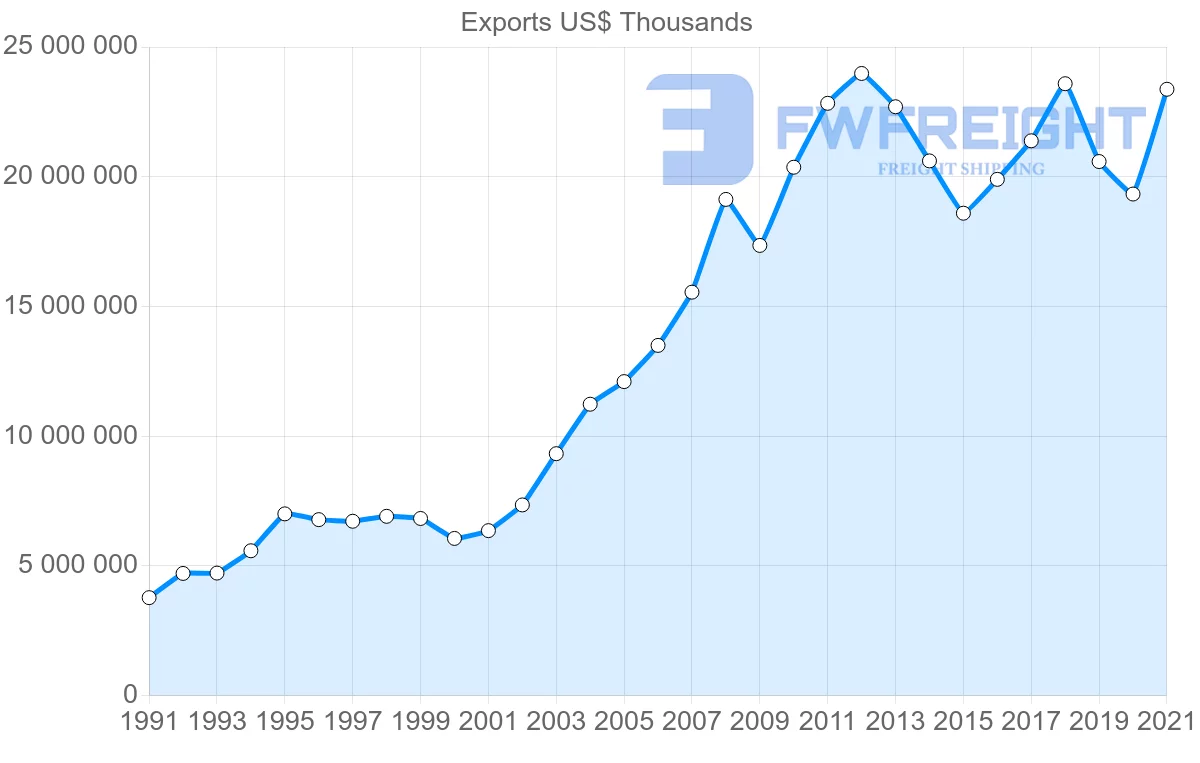 Over the past 30 years, the All Product Export from Germany to Australia has shown significant growth and fluctuations. In 1991, the value stood at 3.77 billion USD, and it steadily increased over the years, reaching a peak of 23.98 billion USD in 2021. The most notable jumps in export value occurred between 2003 and 2006, and then again from 2013 to 2017. These periods saw double-digit percentage increases in export values, indicating a strong trading relationship between the two countries. However, there were also downturns in export values in 2001 and 2010, showing the impact of global economic events on trade between Germany and Australia.
The main product groups exported from Germany to Australia include machinery, vehicles, pharmaceuticals, optical and medical equipment, and electrical machinery. These products have consistently been among the top exports from Germany to Australia over the years, showcasing Germany's strength in manufacturing and technology. Other notable exports include chemicals, plastics, and mineral fuels. The diversity of exported products highlights the breadth of the trading relationship between the two countries and the importance of various industries in their economic ties.
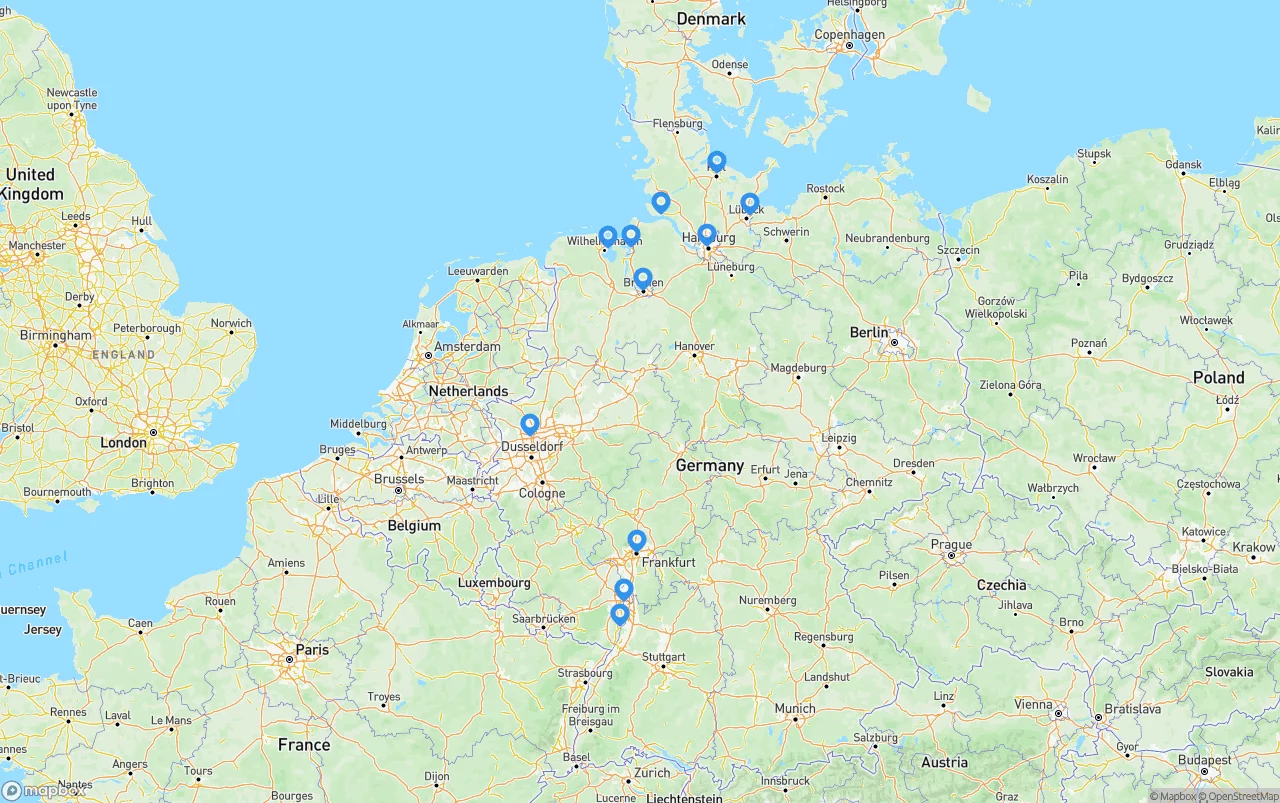 - Hamburg Port: Hamburg Port is the largest port in Germany and the third-largest in Europe. It is a major hub for container shipping, handling over 9 million TEUs annually. The port also handles a significant amount of general cargo, bulk cargo, and cruise ship traffic.
- Bremerhaven Port: Bremerhaven Port is a key port for Germany's automotive industry, with a dedicated terminal for vehicle exports. It is also an important hub for container shipping, handling around 5 million TEUs each year. The port is well-connected to inland transportation networks by road and rail.
- Bremen Port: Bremen Port is located on the Weser River and serves as an important gateway to northern Europe. It is a major hub for container shipping, handling over 4 million TEUs annually. The port also handles a diverse range of cargo, including bulk cargo and project cargo.
- Kiel Port: Kiel Port is the busiest passenger port in Germany, serving as a major ferry terminal for travel to Scandinavia and the Baltic states. The port also handles a variety of cargo, including containers, bulk cargo, and RoRo traffic. Kiel is an important hub for both passenger and cargo transportation.
- Duisburg Port: Duisburg Port is the largest inland port in Europe, located on the Rhine River. It is a key hub for container shipping, handling over 3 million TEUs annually. The port is well-connected to major European markets by inland waterways and rail, making it a vital link in the supply chain.
Other ports in Germany include BRUNSBUETTEL Port, FRANKFURT AM MAIN Port, Germersheim Port, LUBECK Port, Mannheim Port, and Wilhelmshaven Port. Each of these ports plays a unique role in Germany's maritime and inland transportation networks.
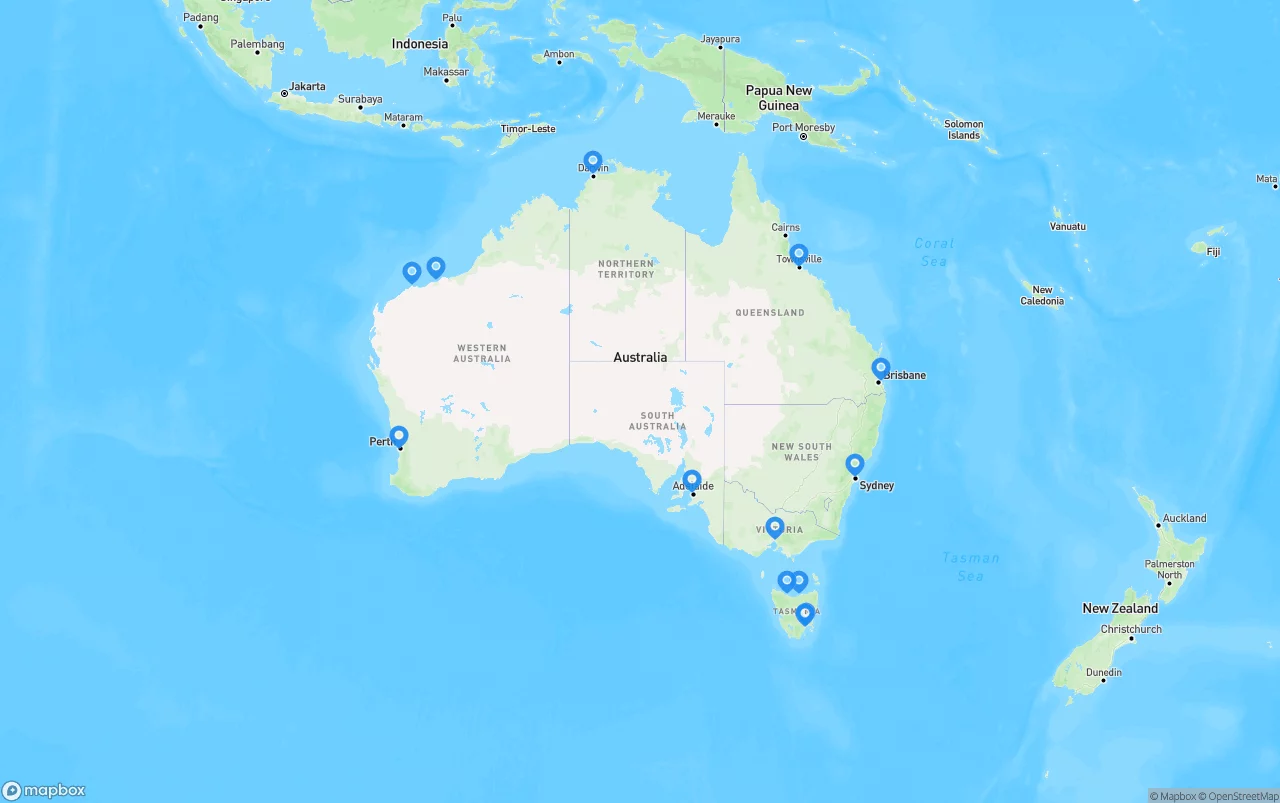 - Adelaide Port: Adelaide Port is the main commercial and container port in South Australia. It is a major gateway for the region's exports, particularly in the agricultural and mining sectors. The port has container terminals, bulk handling facilities, and facilities for automotive and general cargo. Adelaide Port is strategically located to serve as a hub for trade between Australia and Asia.
- Brisbane Port: Brisbane Port is the largest multi-cargo port in Queensland, handling a wide range of cargo including containers, bulk liquids, and dry bulk. The port plays a crucial role in Australia's trade with Asia, serving as a key gateway for imports and exports. Brisbane Port has modern container terminals and facilities for handling a variety of other commodities.
- Fremantle Port: Fremantle Port is the largest and busiest general cargo port in Western Australia. It is a major container port, handling a significant portion of the state's imports and exports. The port has container terminals, bulk handling facilities, and facilities for breakbulk cargo. Fremantle Port is strategically located to serve as a key link in trade between Australia and the rest of the world.
- Melbourne Port: Melbourne Port is the largest container and general cargo port in Victoria. It is a major hub for trade with Asia, Europe, and the Americas. The port has state-of-the-art container terminals, bulk handling facilities, and facilities for automotive and project cargo. Melbourne Port plays a crucial role in Australia's international trade, particularly in the manufacturing and logistics sectors.
- Sydney Port: Sydney Port is the largest and busiest port in Australia, handling a wide range of cargo including containers, bulk liquids, and general cargo. The port is a key gateway for imports and exports to and from Australia, serving as a major hub for trade with Asia, Europe, and the Americas. Sydney Port has modern container terminals, bulk handling facilities, and facilities for automotive and project cargo. The port's strategic location makes it a vital link in Australia's global supply chain.
- Other ports: Bell Bay Port, Burnie Port, Dampier Port, Darwin Port, Hedland Port, Hobart Port, Kingston Port, Townsville Port.
Looking for a freight forwarder in Germany and Australia? There is a list of the best freight forwarders, cargo agents, air, sea, land, river, railroad transport companies, logistics, brokers cargo services in Germany and Australia. Elevate your business's supply chain effectiveness by selecting the ideal freight forwarding partner.
Maximize your logistics efficiency between Germany and Australia by partnering with premier freight forwarders. These expert forwarders invest time to deeply understand your unique shipping requirements. Through a personalized and meticulous approach, they guarantee seamless shipment execution across borders, ensuring timely arrivals at every destination.
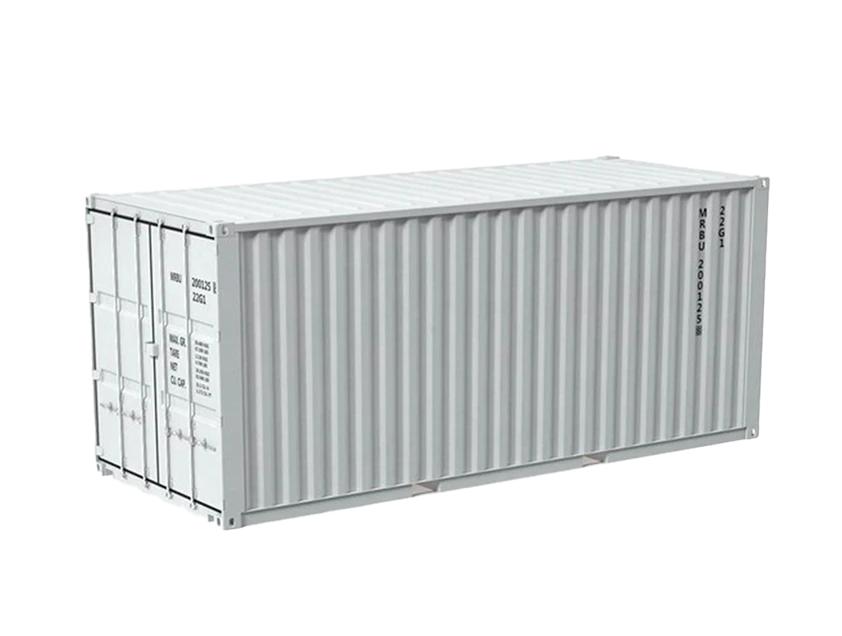
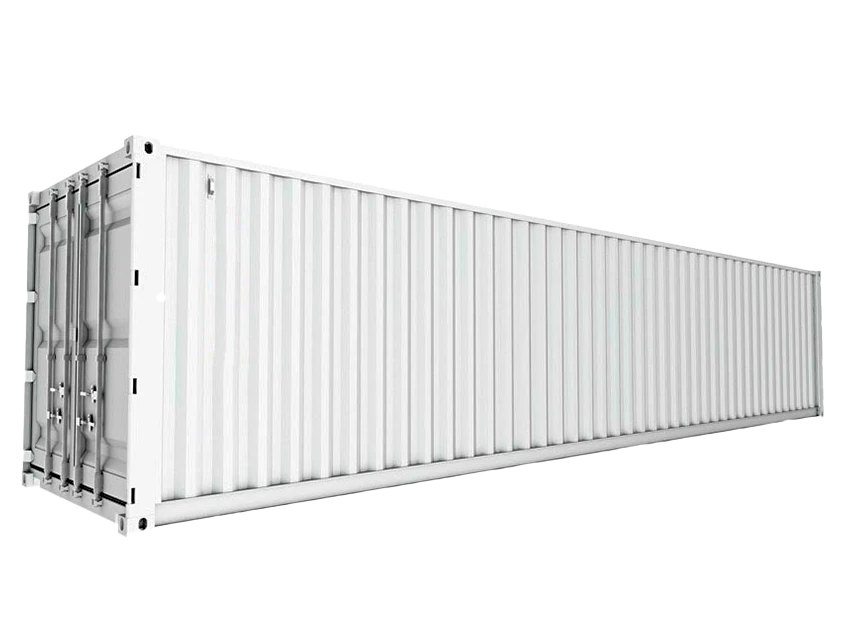
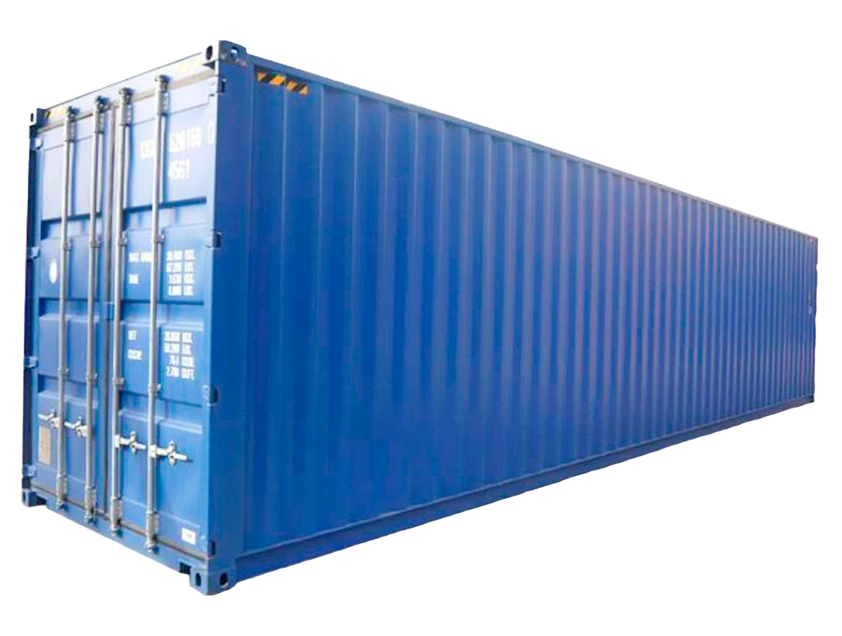
At FWFreight, we offer comprehensive international container shipping services tailored to meet your needs. We provide efficient and reliable shipping solutions from Germany to Australia. Here's a breakdown of our shipping options:
LCL from Germany to Australia (Less than Container Load):
For smaller shipments that don't fill an entire container, our LCL service is the perfect solution. We consolidate multiple shipments into one container, saving you time and money. With regular departures to Australia from Germany. Your cargo will reach its destination securely and on schedule.
FCL from Germany to Australia (Full Container Load):
If you have enough cargo to fill a whole container, our FCL service offers exclusive use of a container. This ensures your goods remain secure and minimizes the risk of damage during transit. Choose to 20 FT, 40 FT, or 40 HC containers, depending on the volume and nature of your cargo.
Air Freight from Germany to Australia:
When time is of the essence, our air freight service provides swift delivery for urgent shipments. With extensive networks and partnerships, we guarantee efficient handling and timely delivery of your cargo to Australia to destinations across the globe.
Below is a table with Shipping Rates from Germany to Australia for various types of containers. You can use these Quick Quotes from Germany to Australia as a guideline. To get an Instant Rate from Germany to Australia for the necessary date, you can send a request.
For container transportation from Germany to Australia, various factors come into play. The size of the shipping container, the type of goods to be shipped, distance of the destination, and the shipping method (either Full Container Load or Less than Container Load) all directly affect the cost.
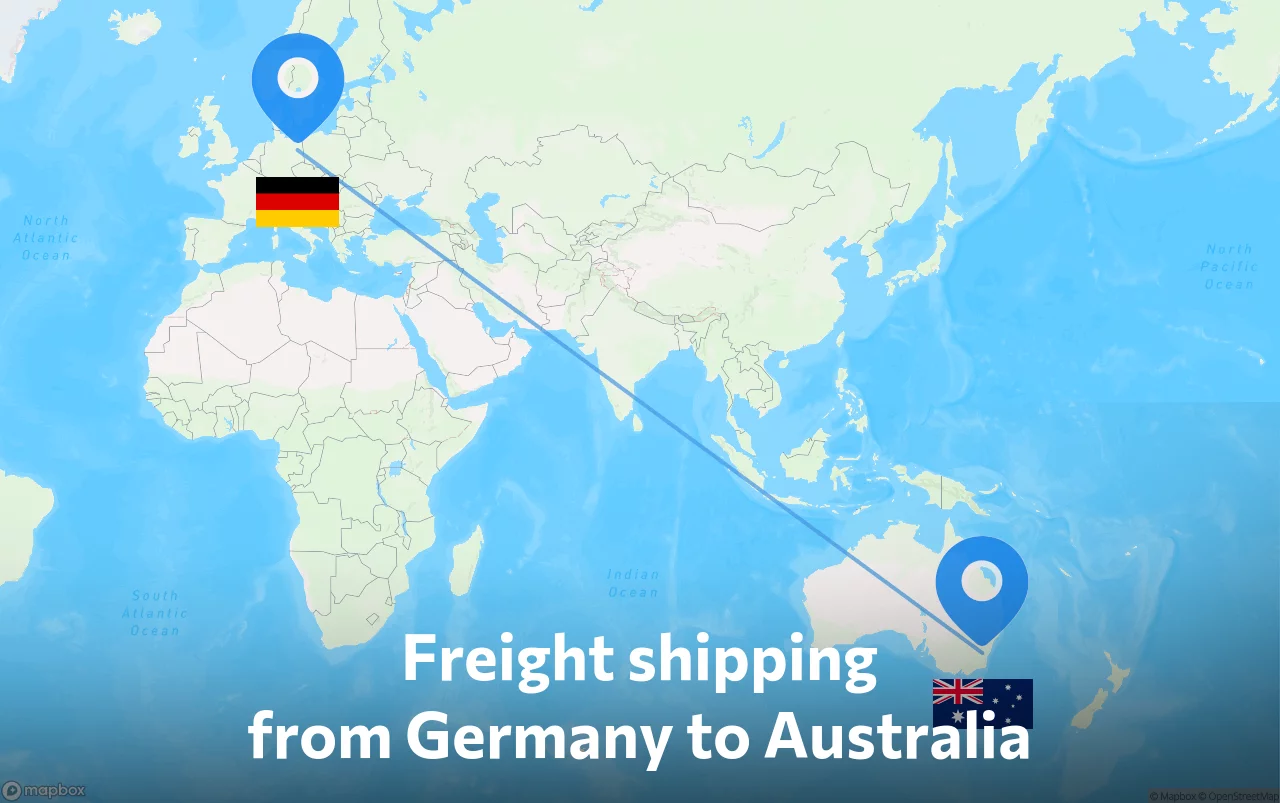 The average transit time for shipping cargo from Germany to Australia via sea freight typically ranges from 30 to 40 days. The distance between the two countries, which is approximately 15,000 kilometers, plays a significant role in determining the duration of the journey. Other factors that can affect shipping times include the choice of shipping route, weather conditions, port congestion, and any necessary transshipments or stopovers. Efficient logistics planning and coordination are essential to ensure smooth operations and timely delivery of cargo.
Customs clearance processes in both Germany and Australia can also impact the overall shipping time. On average, customs clearance in Germany takes around 3 to 5 days, while in Australia, it can take anywhere from 5 to 7 days. Delays may occur due to documentation errors, inspections, or regulatory compliance issues. To mitigate these delays, shippers should work with experienced logistics partners who are familiar with the customs procedures in both countries. Companies like FWFreight specialize in providing comprehensive transport services on the Germany to Australia route, offering expertise in navigating customs requirements and ensuring efficient cargo clearance. Partnering with such providers can help streamline the shipping process and minimize the risk of delays, ultimately optimizing supply chain efficiency.
 When it comes to freight shipping to Australia, recognizing the right logistics partner is crucial to ensure smooth operations. Leading the industry is FWFreight, your one-stop solution for all shipping and forwarding needs. Our core services cater to a broad spectrum, ranging from sea, air, rail, truck, to forwarding services, effectively meeting the needs of our diverse clientele. Specialized in imports to Australia, we serve large-scale global importers and smaller domestic exporters alike. Navigate the complex world of international shipping to Australia from other countries with FWFreight, ensuring not only seamless transactions but also the best prices across all types of transportation.
Through a commitment to customer-centric service, our shipping company proves to be more than just a means to an end. We aim to build long-term relationships with our customers by consistently delivering high-quality, reliable services. With a global network and local expertise, we offer the best service in the world, personalized according to each customer's individual needs. Our team is proactive, responsive, and willing to go the extra mile to resolve any challenges that come our way. We are passionate about offering innovative, customizable solutions that inspire confidence and trust. With FWFreight, we guarantee a seamless shipping journey from pick-up to delivery – we’re your reliable partner in facilitating growth and thriving in the world of international trade.