As a premier provider in the logistics industry, FWFreight prioritizes on delivering excellence in freight shipping from Libya. Our core services encompass a broad spectrum of logistics capabilities, designed to make international shipping from Libya seamless and efficient. We recognize the challenges that come with shipping from this region and have tailored our services to overcome these hurdles. Our sea, air, rail and truck services are harmonized to ensure a smooth flow of goods, serving domestic exporters and global importers with an unparalleled dedication to meeting their unique needs.
At FWFreight, we understand that the key to sustainable growth in the fast-paced world of logistics is service excellence. This is why our company goes over and beyond in providing top-notch customer support, ensuring that every customer's needs are met promptly and professionally. Our global network allows us to deliver personalized forwarding services to customers across the world, emphasizing safety, speed, and reliability. Over time, we have refined our logistics solutions to provide the pinnacle of service quality, proving that we are not just another logistics company, but a partner committed to helping our clients succeed in their business endeavors.
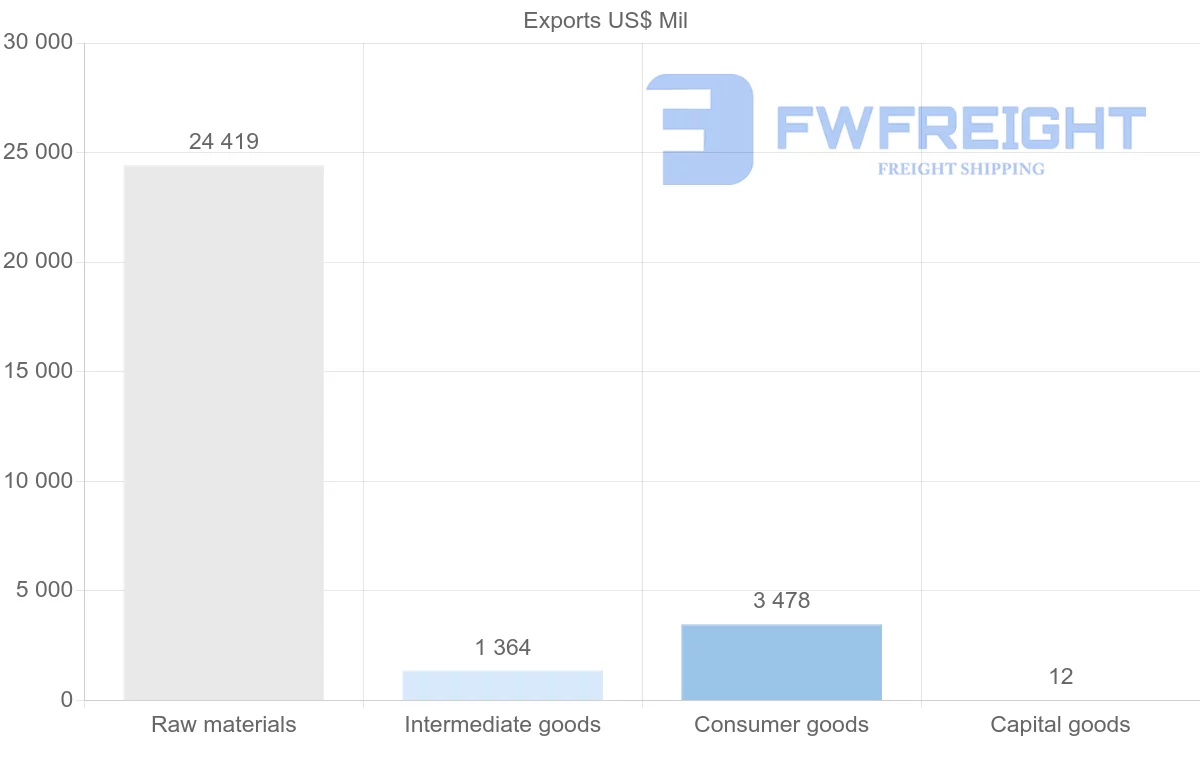 The graph presents the distribution of Libya’s top 5 export goods across four main product categories: raw materials, intermediate goods, consumer goods, and capital goods. Raw materials represent the largest export category, producing a remarkable $24,419 million (83.38% of total exports). This category includes basic resources like oil, minerals, or agriculture products that are extracted or harvested in their natural state. Following distantly, consumer goods are the second largest export category, contributing $3,478 million, which is 11.88% of the total export volume. These goods are generally intended for the end-user and include items like clothing, electronics, and ready-to-eat food.
Intermediate goods come in third on the list, with exports amounting to $1,364 million, or 4.66% of total exports. These goods are typically used in the production process of other goods, for instance, components for automobiles or ingredients for processed foods. Lastly, capital goods, which include tangible assets such as machinery, buildings, or hardware used in the manufacturing process, contribute the least to Libya’s exports. They generate only $12 million, making up a fractional 0.04% of total exports. This distribution clearly illustrates the overwhelming dominance of raw materials in Libya’s export market, with consumer goods having a significant, albeit much smaller, contribution. Intermediate and capital goods make only minor contributions to the total export figures.
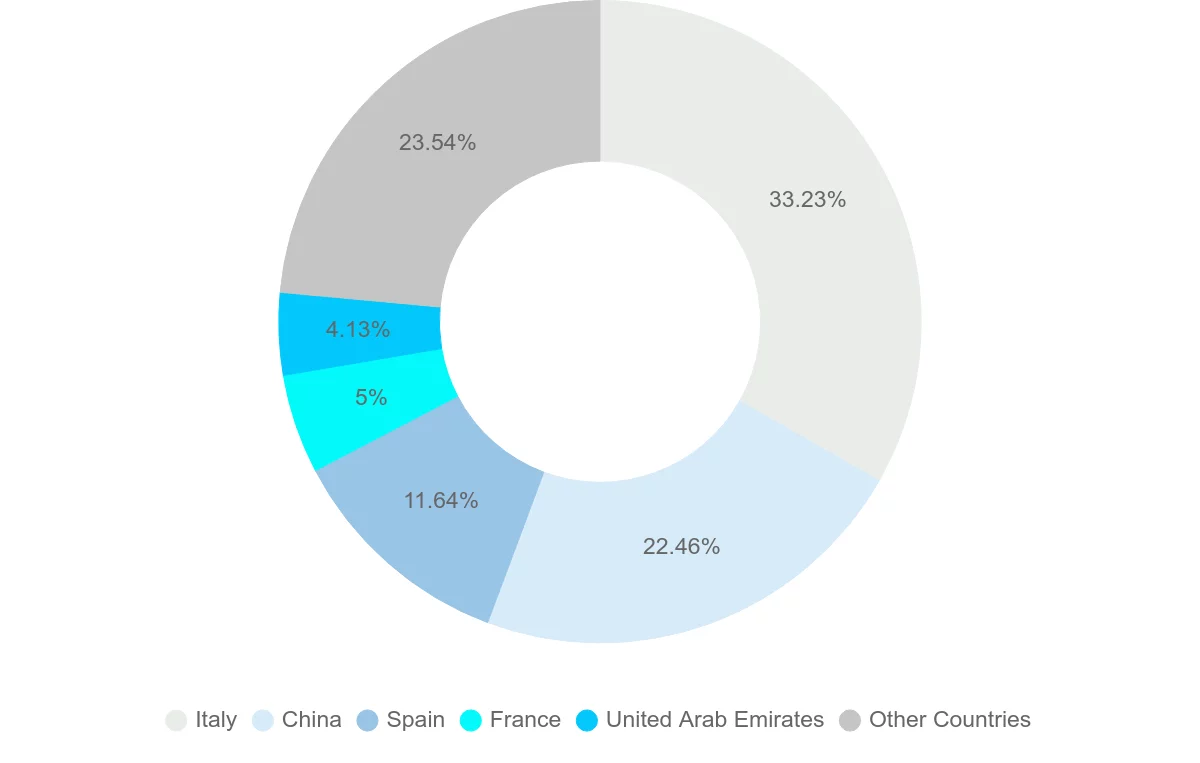 Italy tops the list as Libya’s leading export partner, with a trade volume of $9733 million, accounting for 33.23% of Libya's total exports. The main categories of goods exported to Italy from Libya are predominantly oil and gas and its derivatives, as Italy heavily relies on Libya for its energy needs. These goods make up a significant proportion of the Italian import market, driving the growth of their industries and fueling their economic development.
The second largest export partner of Libya is China, with a trade volume of $6578 million, making up 22.46% of Libya's total exports. Libya primarily exports raw materials, including crude oil, to China. Spain follows closely behind with a trade volume of $3409 million, representing 11.64% of Libya's total exports. Like Italy, Spain also primarily imports oil and derivatives from Libya, which serve as a critical energy source for the country. The fourth-largest export partner of Libya is France, with a trade volume of $1465 million, accounting for 5% of Libya’s total exports. Main exports to France include oil and petroleum products as well as various types of machinery. Lastly, the United Arab Emirates has a trade volume of $1211 million, making up 4.13% of Libya's export share. Besides oil and petroleum products, Libya also exports a variety of agricultural products to the UAE. Therefore, Libya's Top 5 Export Partners play a significant role in developing and sustaining Libya's economy, as these trade relationships support the country's export sector and provide crucial income.
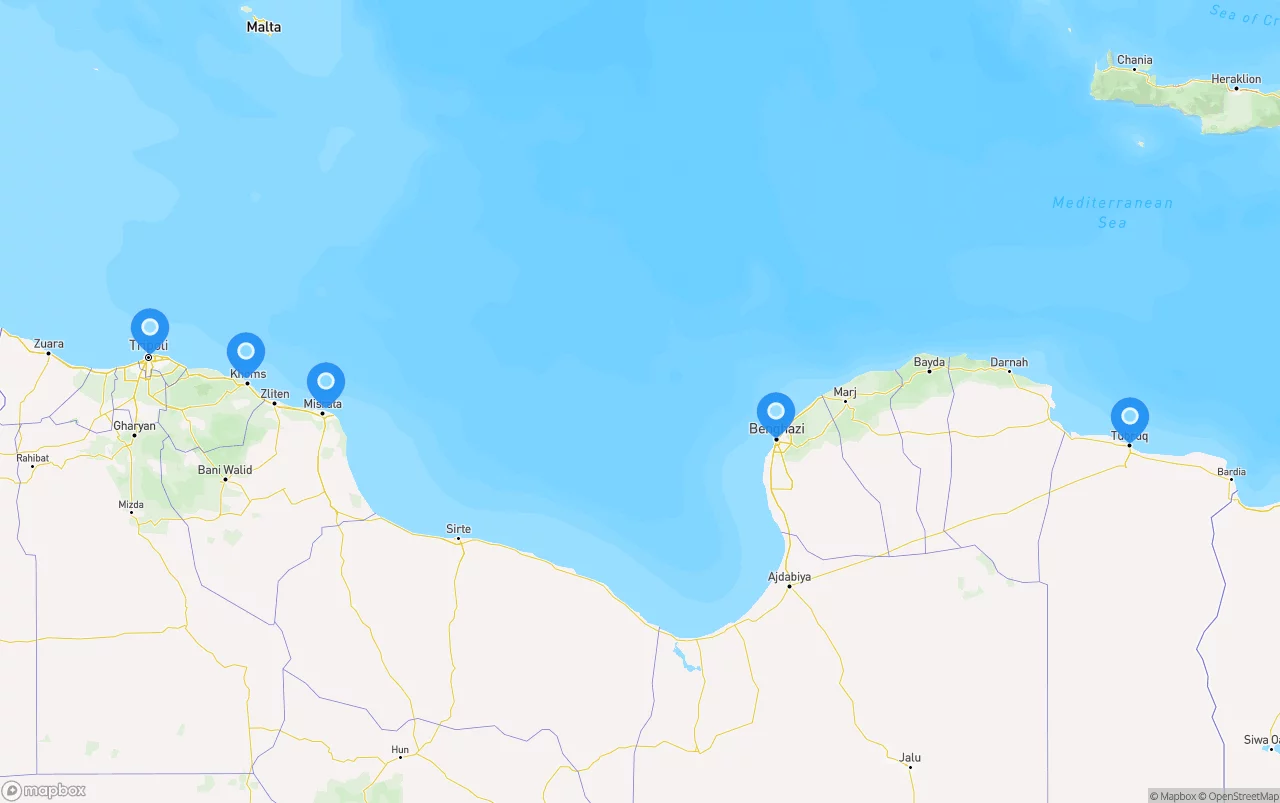 Benghazi Port: Benghazi Port is the second largest commercial port in Libya, located in the eastern part of the country. It plays a crucial role in facilitating the import and export of goods, serving as a major gateway for trade in the region.
Khoms Port: Khoms Port is a key commercial port situated in the northwestern part of Libya. It serves as a vital hub for the transportation of goods, particularly for the oil and gas industry. The port has experienced growth in recent years, contributing significantly to the country's economy.
Misurata Port: Misurata Port is one of the largest and busiest ports in Libya, located on the country's northern coast. It is a major container port, handling a diverse range of cargo including oil, gas, and general goods. The port plays a critical role in facilitating international trade and contributes significantly to Libya's economy.
Tobruk Port: Tobruk Port is a strategic commercial port situated in the northeastern part of Libya. It serves as an important gateway for the import and export of goods, particularly in the eastern region of the country. The port plays a key role in supporting economic activities and trade in the area.
Tripoli Port: Tripoli Port is the largest and busiest port in Libya, situated in the capital city of Tripoli. It is a major commercial and container port, handling a significant volume of cargo including oil, gas, and general goods. The port serves as a vital link for international trade and plays a crucial role in supporting the country's economy.
Other ports in Libya: Ras Lanuf Port, Zuwara Port.
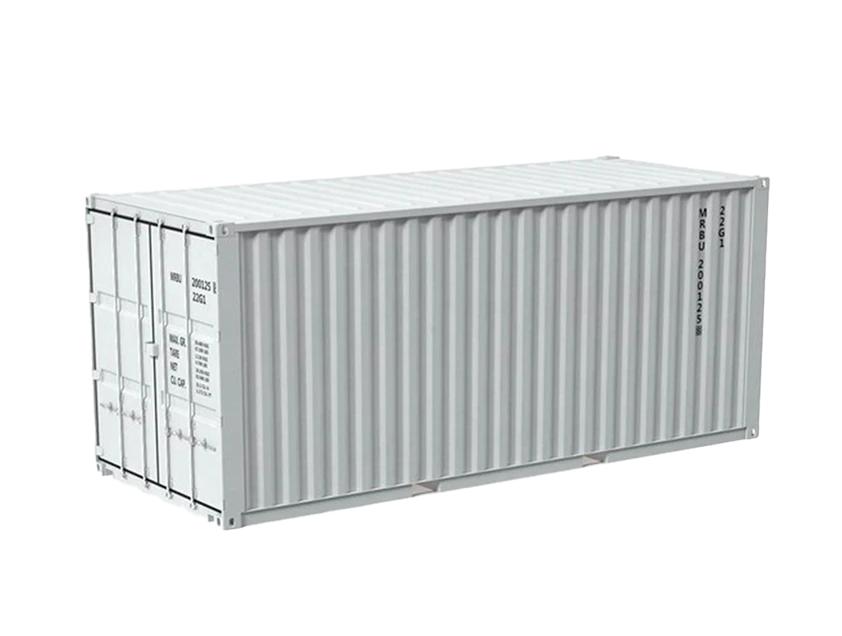
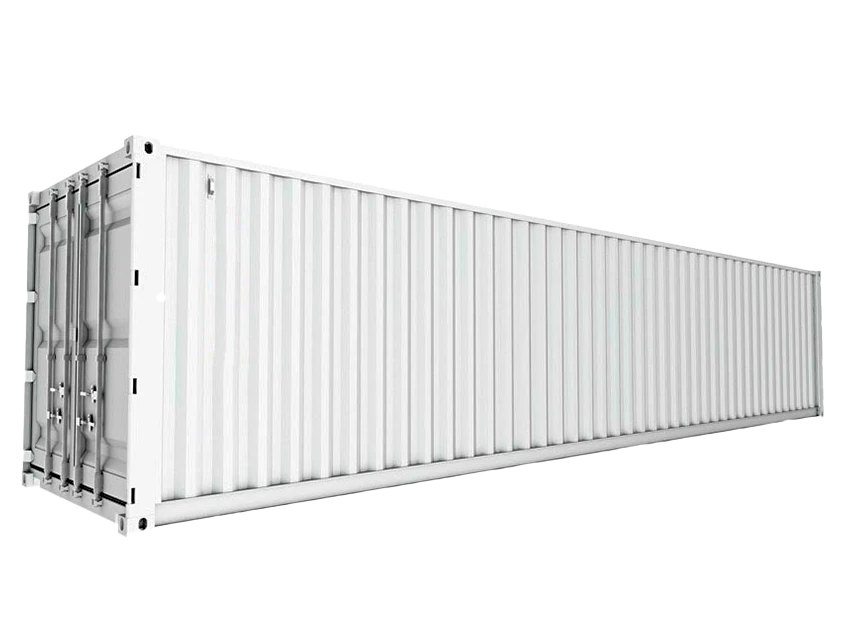
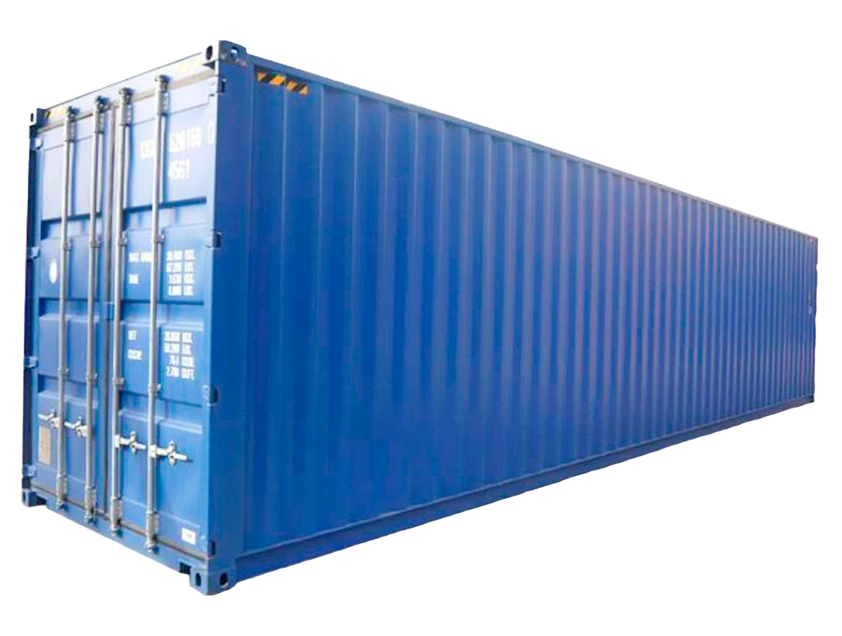
At FWFreight, we offer comprehensive international container shipping services tailored to meet your needs. From Libya, we provide efficient and reliable shipping solutions to destinations worldwide. Here's a breakdown of our shipping options:
LCL (Less than Container Load):
For smaller shipments that don't fill an entire container, our LCL service is the perfect solution. We consolidate multiple shipments into one container, saving you time and money. With regular departures from Libya, your cargo will reach its destination securely and on schedule.
FCL (Full Container Load):
If you have enough cargo to fill a whole container, our FCL service offers exclusive use of a container. This ensures your goods remain secure and minimizes the risk of damage during transit. Choose from 20 FT, 40 FT, or 40 HC containers, depending on the volume and nature of your cargo.
Air Freight:
When time is of the essence, our air freight service provides swift delivery for urgent shipments. With extensive networks and partnerships, we guarantee efficient handling and timely delivery of your cargo from Libya to destinations across the globe.
Below is a table with Shipping Rates from Libya for various types of containers. You can use these Libya Quick Quotes as a guideline. To get an Instant Rate from Libya for the necessary date, you can send a request.
Exporting from Libya involves several crucial aspects that require meticulous planning and efficient practices. Critical to the process is understanding the specialized duties, customs regulations, and documentation requirements necessary for smooth operations. Keeping abreast of the constantly fluctuating 'Shipping Rates from Libya' is also essential to forecast costs accurately, negotiate better contracts and ensure profitability. FWFreight specializes in exports worldwide from Libya and leverages extensive industry knowledge to provide competitive pricing and outstanding service.
Container transportation from Libya is a popular choice for bulk and non-urgent exports. It comes with variable costs such as loading, freight, and insurance, as well as fixed costs like container rental or purchase. Other aspects to consider include the type of container best suited for the cargo, transit time, and port handling charges at the destination. Our company provides robust container shipping solutions, advising our clients on the most cost-effective and efficient strategies.
Air transportation from Libya offers faster delivery times and is typically used for perishables, high-value items, or time-sensitive goods. Factors influencing air freight costs include the weight and dimensions of the cargo, the distance to the destination, and the complexity of handling. Additional costs, such as fuel surcharges, security charges, and customs duties, must also be taken into account. Our shipping company excels in providing comprehensive air freight services, ensuring reliable, prompt, and cost-effective delivery to destinations worldwide.