For decades, FWFreight has been a premier provider of freight shipping from Malaysia to Nigeria. Our core services have been meticulously designed to encapsulate a broad spectrum of logistics needs—from sea, air, rail, and truck to forwarding services. We understand that each client has unique shipping and logistical needs, and hence we customize our services to align with those requirements, catering to both domestic exporters and global importers alike. With our unrivaled proficiency in handling shipments from Malaysia, rest assured that you have made the right logistic choice with us.
Our exceptional service charters do not merely limit our capabilities but extend to our passionate pursuit of customer satisfaction. At FWFreight, our service ethos is not just about delivering your goods—it's about delivering promises. With a dedicated customer service team backed by advanced technological solutions, we provide the finest logistical service in the world, ensuring efficiency, reliability, and agility. From the initial pickup to the final delivery, every step of our service is designed to guarantee peace of mind for every customer. Our commitment to excellence has positioned us as not just a service provider but a trusted shipping and forwarding partner.
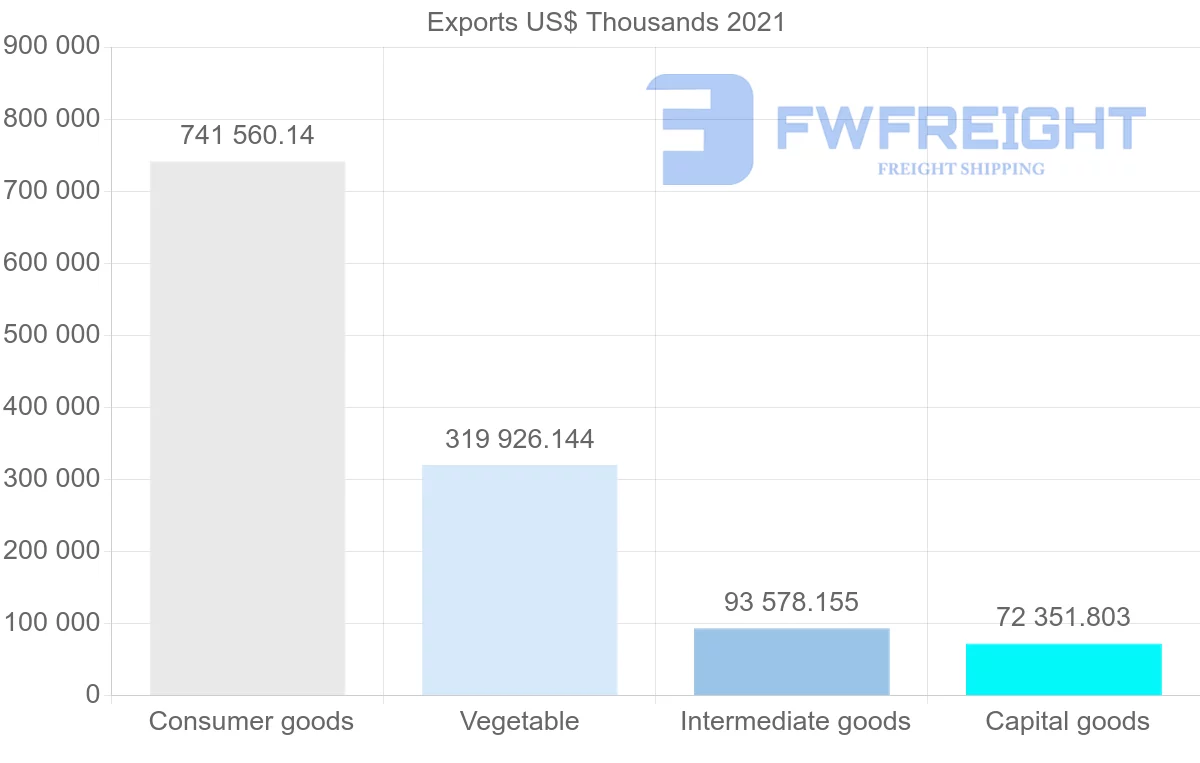 The top 5 export goods from Malaysia to Nigeria in 2021 were consumer goods valued at $741.56 million, vegetables at $319.93 million, intermediate goods at $93.58 million, and capital goods at $72.35 million. Consumer goods, including electronics, textiles, and household products, made up the largest chunk of exports, comprising nearly 50% of the total export volume. Vegetables followed closely behind, indicating a strong demand for fresh produce from Malaysia. Intermediate and capital goods made up the remaining percentage, showcasing Malaysia's diverse export market to Nigeria.
Exports in these categories are crucial for Malaysia's economy as they contribute significantly to the country's GDP and provide employment opportunities for its citizens. Consumer goods are mainly produced in urban areas such as Kuala Lumpur and Penang, while vegetables are grown in rural regions like Cameron Highlands. Intermediate and capital goods are typically manufactured in industrial zones like Johor Bahru and Selangor, highlighting Malaysia's strong manufacturing and agricultural sectors.
These goods are essential for import into Nigeria as they fulfill the demand for high-quality products in the Nigerian market. Consumer goods, in particular, cater to the growing middle-class population in major cities like Lagos and Abuja. Vegetables play a vital role in providing nutritious food options for Nigerian consumers, with a significant portion of imports coming from Malaysia. Intermediate and capital goods are essential for infrastructure development in Nigeria, with supplies primarily sourced from regions like Kano and Port Harcourt. Overall, the export of these goods from Malaysia to Nigeria strengthens trade relations between the two countries and supports economic growth in both nations.
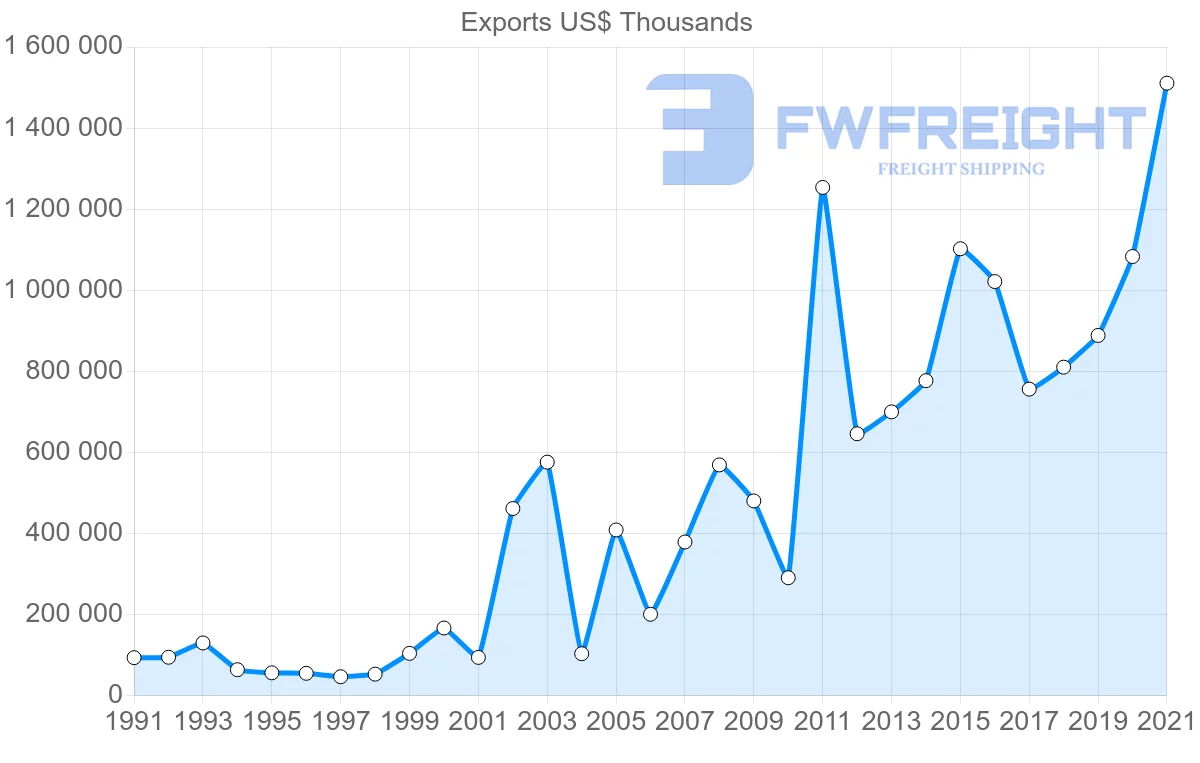 Over the past 30 years, the All Product Export from Malaysia to Nigeria has shown significant growth and fluctuations. In 1991, the export value stood at 93.58 million USD, increasing steadily over the years to reach a peak of 1.51 billion USD in 2011. However, there was a noticeable decline in 2012 to 645.87 million USD before bouncing back in the subsequent years. The trade volume has remained relatively stable in recent years, hovering around 800 million to 1 billion USD annually. Overall, there has been a notable increase of over 1500% in export value from 1991 to 2021, indicating a strong trade relationship between Malaysia and Nigeria.
The main product groups exported from Malaysia to Nigeria include electronics, palm oil, machinery, chemicals, and textiles. Electronics have consistently been a major export item, reflecting Malaysia's strength in the manufacturing sector. Palm oil, a staple commodity for Malaysia, has also been a significant export product to Nigeria, given the country's demand for vegetable oils. Machinery and chemicals are other important product groups exported, highlighting Malaysia's diverse export portfolio. Textiles have also been a notable export item, showcasing Malaysia's capabilities in the textile industry. These product groups collectively contribute to the bilateral trade between Malaysia and Nigeria, showcasing the complementary nature of their economies.
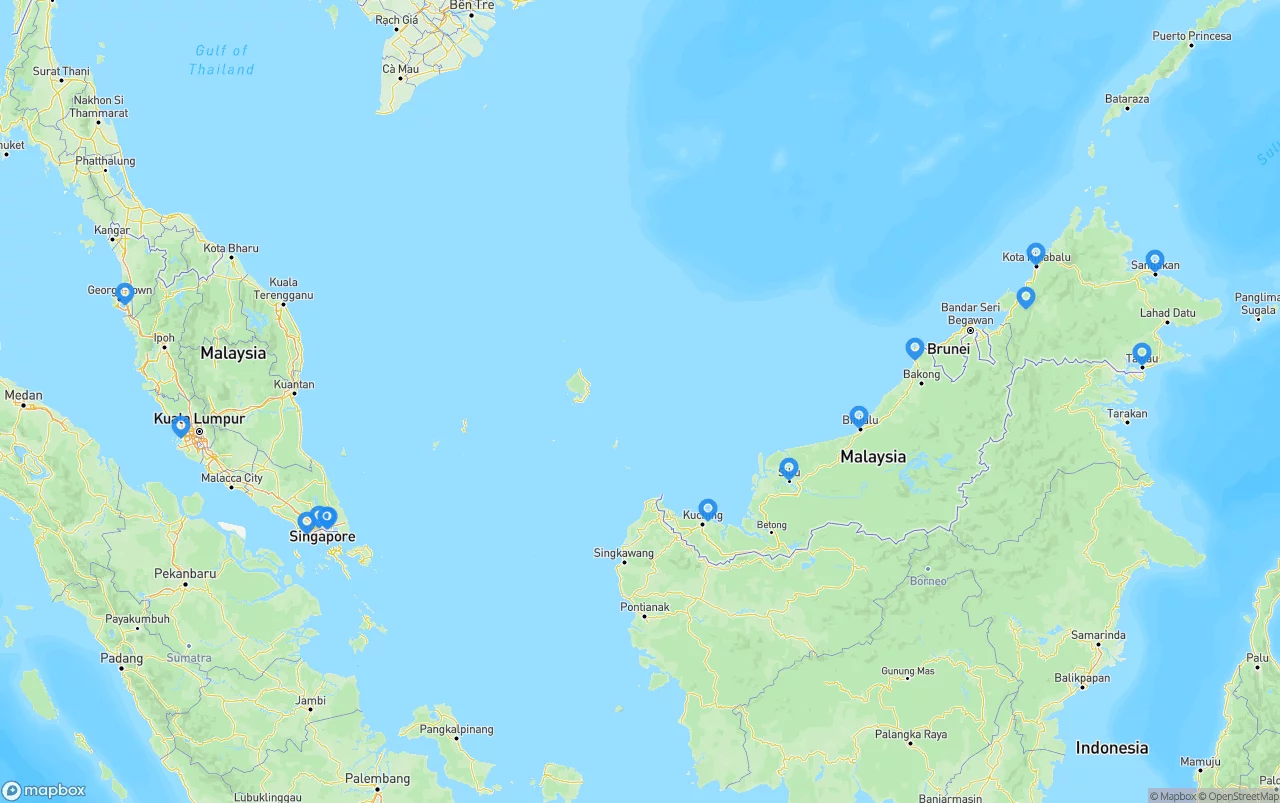 - Johor Port: Johor Port is one of the main ports in Malaysia located in Pasir Gudang, Johor. It is a thriving container and cargo port that handles a significant amount of goods and commodities. Johor Port plays a vital role in the logistics and trade industry of Malaysia.
- Port Klang: Port Klang is the largest port in Malaysia and one of the busiest in Southeast Asia. It is located in the Klang Valley region and serves as a major gateway for trade in the region. Port Klang consists of three main terminals – Northport, Westports, and Southpoint – which collectively handle a large volume of containers and cargo.
- Penang Port: Penang Port is strategically located on the northern coast of Peninsular Malaysia, making it an important hub for trade and commerce. The port consists of two main terminals – North Butterworth Container Terminal (NBCT) and Penang Port Swettenham Pier Cruise Terminal. Penang Port is known for its efficient operations and services.
- Tanjung Pelepas Port: Tanjung Pelepas Port is a world-class container terminal located in Johor. It is operated by Malaysia’s national port operator, Johor Port Authority. Tanjung Pelepas Port is equipped with state-of-the-art facilities and infrastructure to handle large container vessels and a high volume of cargo.
- Kota Kinabalu Port: Kota Kinabalu Port is the main gateway for maritime trade in Sabah, Malaysia. It is located in the capital city of Kota Kinabalu and serves as a crucial port for the region’s economy. Kota Kinabalu Port handles various types of cargo, including containers, bulk cargo, and petroleum products, contributing significantly to Sabah’s trade industry.
Other notable ports in Malaysia include Bintulu Port, Kuching Port, Labuan Port, Miri Port, Sandakan Port, Sibu Port, and Tawau Port. Each of these ports plays a unique role in facilitating trade and commerce in Malaysia, contributing to the country’s economic growth and development.
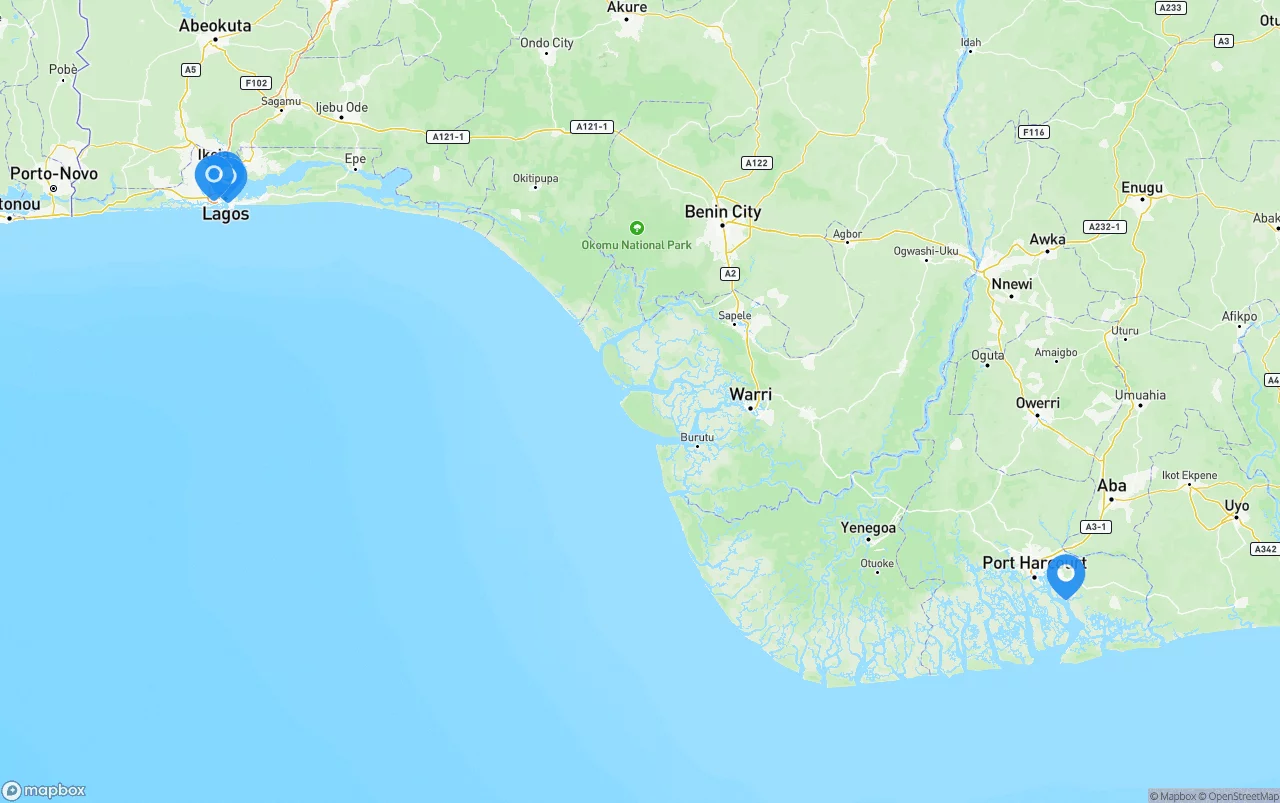 Apapa Port: Apapa Port is the largest and busiest port in Nigeria, located in Lagos. It is a major gateway for imports and exports in the country, handling a large volume of goods such as petroleum products, vehicles, and general cargo. The port is equipped with modern facilities and infrastructure to handle containerized cargo efficiently.
Lagos Port: Lagos Port is another important port in Nigeria, located on the outskirts of Lagos. It serves as a key hub for trade in the region, handling various types of cargo including containers, bulk cargo, and petroleum products. The port has undergone significant expansion and modernization in recent years to enhance its capacity and efficiency.
Onne Port: Onne Port is located in Rivers State, serving as a major oil and gas logistics base in Nigeria. It is one of the largest container terminals in the country, handling a significant volume of containerized cargo. The port is strategically located near oil and gas fields, making it a crucial hub for the industry.
Tincan Port: Tincan Port is situated in Lagos, adjacent to the Apapa Port. It is a key gateway for containerized cargo, handling a significant volume of imports and exports. The port has modern facilities and equipment to ensure efficient handling of cargo, contributing to the economic growth of Nigeria.
Antan Terminal Port: Antan Terminal Port is a private port terminal located in Lagos, specializing in containerized cargo. It is a key player in the maritime industry, offering efficient services for shippers and consignees. The port is equipped with state-of-the-art facilities to handle various types of containers and goods.
Other ports in Nigeria include Port Harcourt Port, Calabar Port, and Warri Port, which also play significant roles in the country's maritime trade.
Looking for a freight forwarder in Malaysia and Nigeria? There is a list of the best freight forwarders, cargo agents, air, sea, land, river, railroad transport companies, logistics, brokers cargo services in Malaysia and Nigeria. Elevate your business's supply chain effectiveness by selecting the ideal freight forwarding partner.
Maximize your logistics efficiency between Malaysia and Nigeria by partnering with premier freight forwarders. These expert forwarders invest time to deeply understand your unique shipping requirements. Through a personalized and meticulous approach, they guarantee seamless shipment execution across borders, ensuring timely arrivals at every destination.
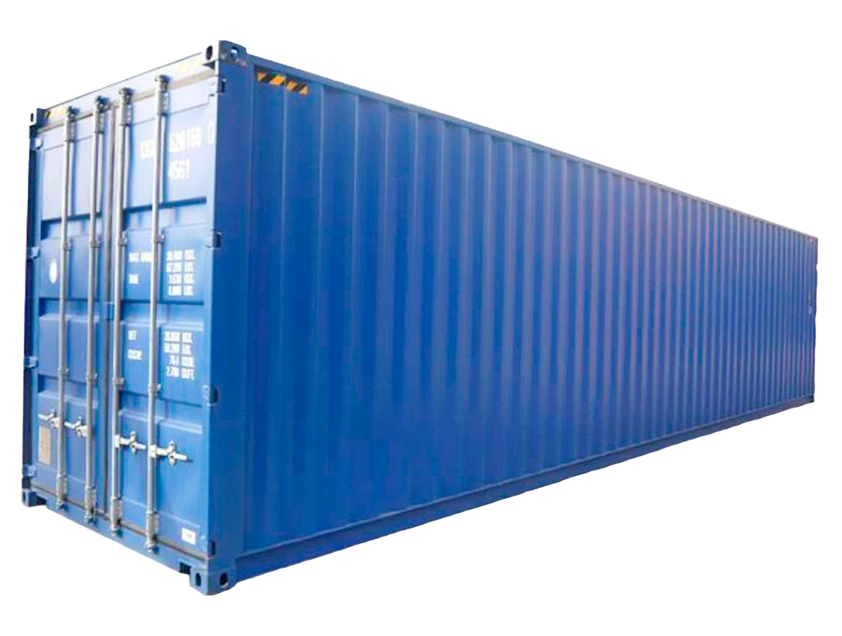
At FWFreight, we offer comprehensive international container shipping services tailored to meet your needs. We provide efficient and reliable shipping solutions from Malaysia to Nigeria. Here's a breakdown of our shipping options:
LCL from Malaysia to Nigeria (Less than Container Load):
For smaller shipments that don't fill an entire container, our LCL service is the perfect solution. We consolidate multiple shipments into one container, saving you time and money. With regular departures to Nigeria from Malaysia. Your cargo will reach its destination securely and on schedule.
FCL from Malaysia to Nigeria (Full Container Load):
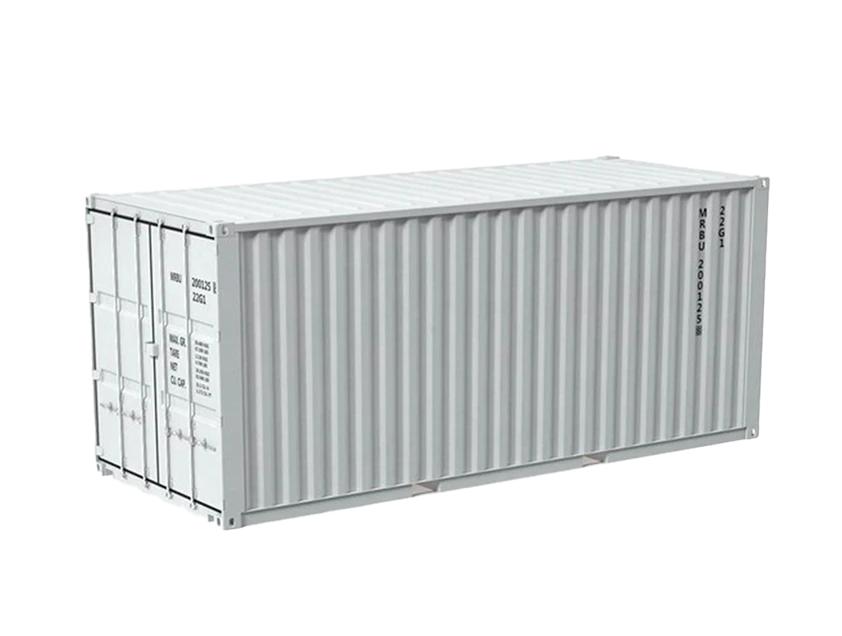
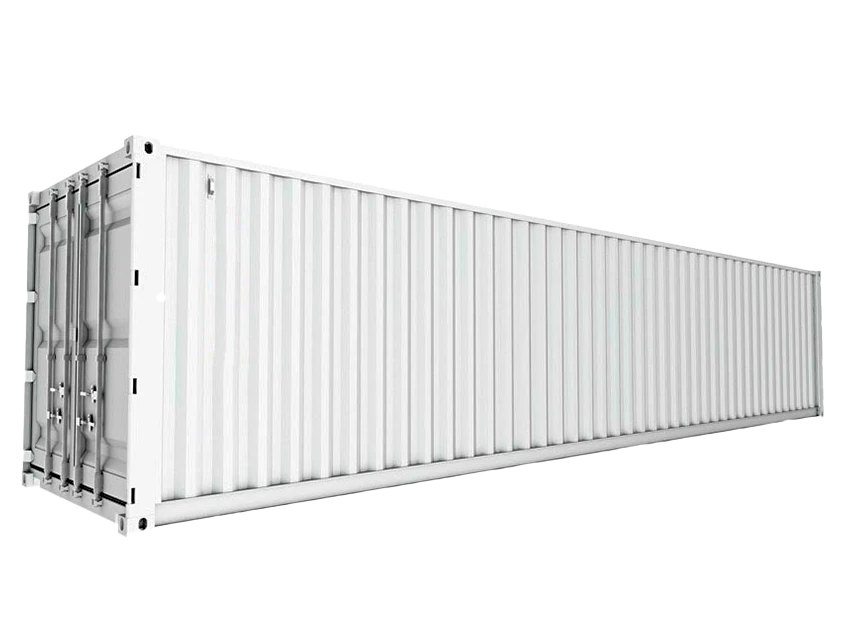
If you have enough cargo to fill a whole container, our FCL service offers exclusive use of a container. This ensures your goods remain secure and minimizes the risk of damage during transit. Choose to 20 FT, 40 FT, or 40 HC containers, depending on the volume and nature of your cargo.
Air Freight from Malaysia to Nigeria:
When time is of the essence, our air freight service provides swift delivery for urgent shipments. With extensive networks and partnerships, we guarantee efficient handling and timely delivery of your cargo to Nigeria to destinations across the globe.
Below is a table with Shipping Rates from Malaysia to Nigeria for various types of containers. You can use these Quick Quotes from Malaysia to Nigeria as a guideline. To get an Instant Rate from Malaysia to Nigeria for the necessary date, you can send a request.
For container transportation from Malaysia to Nigeria, various factors come into play. The size of the shipping container, the type of goods to be shipped, distance of the destination, and the shipping method (either Full Container Load or Less than Container Load) all directly affect the cost.
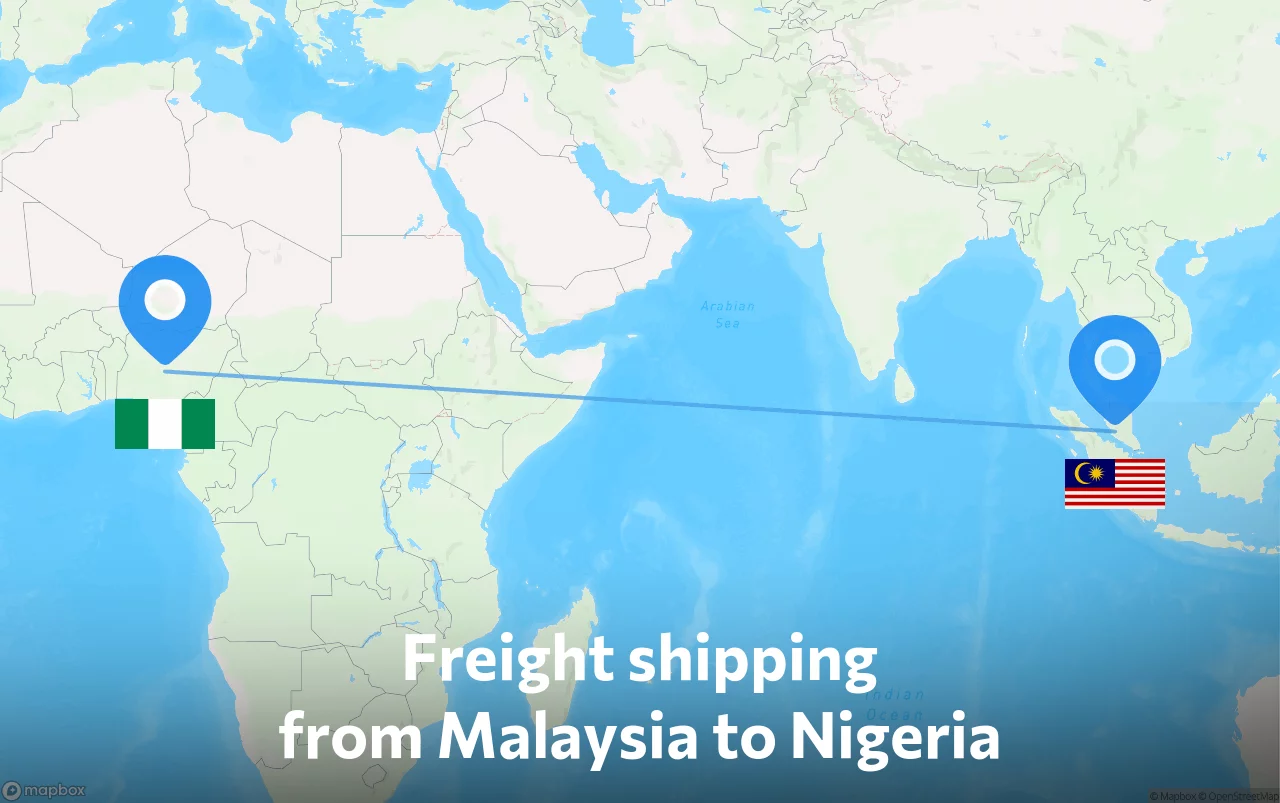 The average transit time for shipping cargo from Malaysia to Nigeria via sea freight typically ranges from 20 to 40 days. The actual duration can vary depending on various factors such as the specific ports of departure and arrival, weather conditions, customs clearance processes, and any potential logistical issues that may arise during the journey. The distance between Malaysia and Nigeria is approximately 7,500 kilometers, which contributes to the overall transit time. Additionally, the efficiency of the shipping company, the availability of vessels, and any potential delays in transshipment can also impact the delivery schedule.
When it comes to customs clearance, both Malaysia and Nigeria have their own unique processes and regulations that must be followed when importing goods. On average, customs clearance in Malaysia takes around 2 to 5 days, while in Nigeria, it can take anywhere from 4 to 10 days. These timeframes can be influenced by the nature of the goods being imported, the accuracy of the required documentation, and any potential inspection requirements. Companies like FWFreight specialize in providing efficient and reliable transport services between Malaysia and Nigeria, ensuring that cargo reaches its destination in a timely manner while managing the customs clearance process effectively.
 Welcome to FWFreight, your premier destination for all your shipping needs to Nigeria. With our core services firmly entrenched in the realities of international shipping to Nigeria from other countries, we have established a fully integrated delivery system that ensures your freight arrives in perfect condition and within the stipulated time frame. Whether it's sea, air, rail, or truck shipments you need, our well-trained team of logisticians is ready to offer you an affordable and convenient solution tailored to meet your individual needs. We specialize specifically in import to Nigeria, and our astute understanding of the local terrain gives us a competitive edge in Freight Shipping to Nigeria.
At a service level, FWFreight is committed to providing an unmatched customer experience. We believe that every customer deserves the best service in the world, and we work tirelessly to actualize this belief. Our comprehensive logistics services encompass every aspect of transportation, allowing us to cater to a diverse clientele ranging from local exporters to international importers. We offer a broad spectrum of forwarding services designed to ensure smooth and swift deliveries, regardless of your location or the nature of your freight. Leveraging advanced technology, our shipping company optimizes routes, reduces costs, and ensures you're always informed about the whereabouts of your shipment. With our expertise, we are not just a shipping company; we are your trusted partner in global logistics.