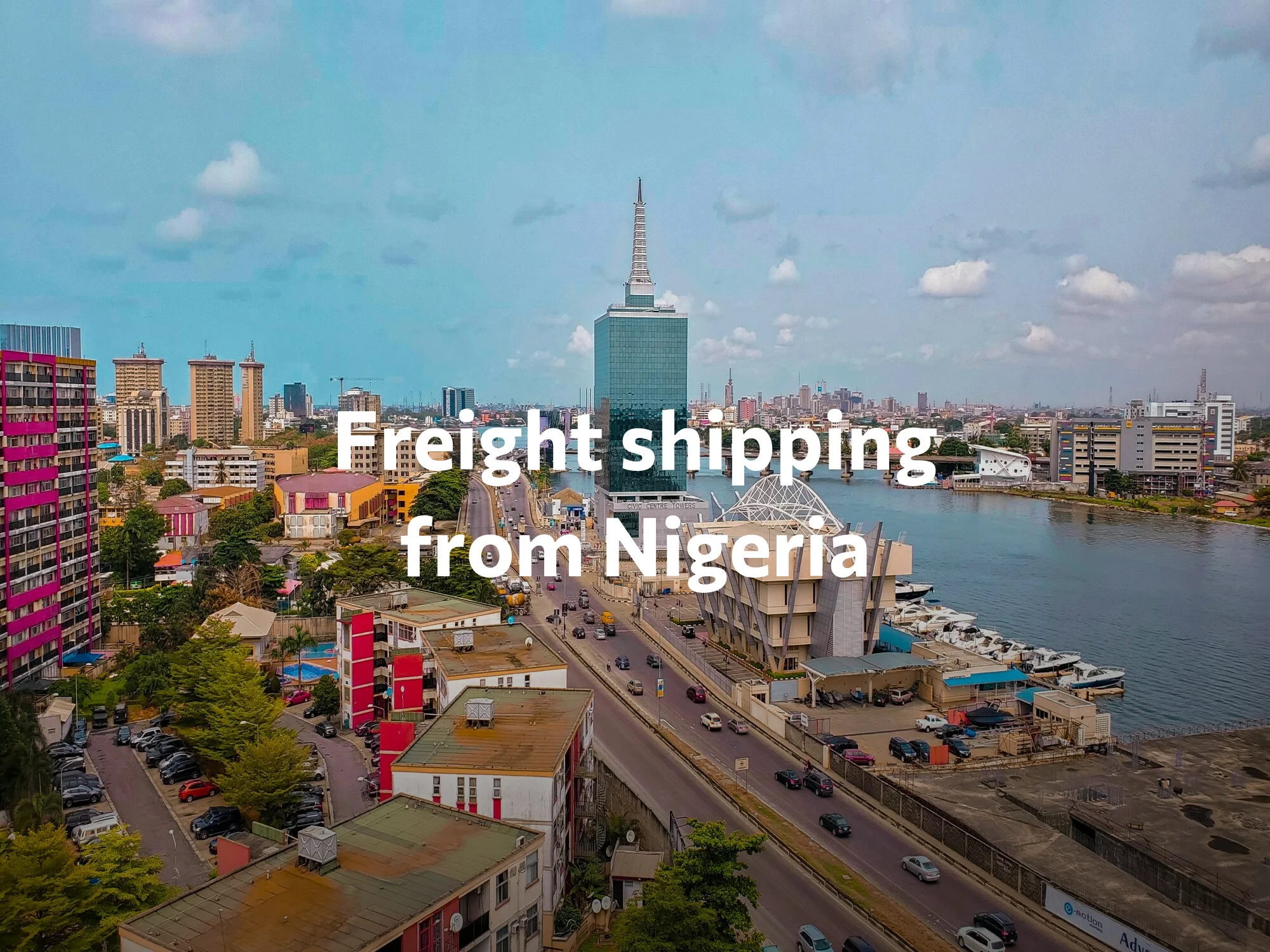
Welcome to FWFreight, your trusted partner for freight shipping from Nigeria to Kenya. We specialize in all aspects of logistics, offering a wide array of services designed to suit your transportation needs. This includes options for sea, air, rail, and truck shipping, versatile enough to cater to both domestic exporters and international importers. With us, you can have peace of mind knowing your shipments from Nigeria to Kenya are in safe, capable hands. Be it industry-specific solutions or general cargo forwarding, our team assures swift, efficient, and secure handling and delivery of your goods.
FWFreight distinguishes itself in the competitive world of logistics through exceptional customer service. We believe in going above and beyond to meet the diverse needs of our clients. Whether you are seeking international shipping from Nigeria or arranging cargo movement within local boundaries, our company is committed to delivering the highest level of service. Our expert team consistently monitor your shipments, ensuring timely delivery while prioritizing safety and cost-effectiveness. No matter your shipping needs, rest assured, FWFreight has got you covered.
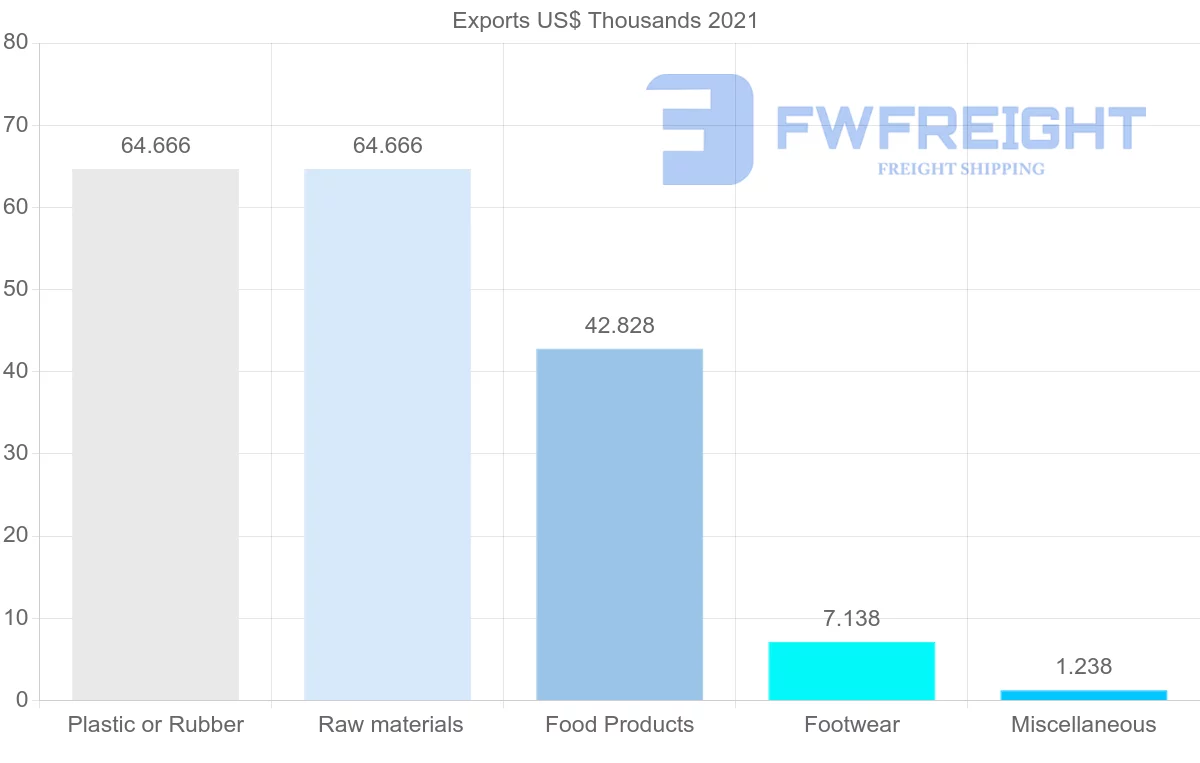 The top 5 export goods from Nigeria to Kenya in 2021 were Plastic or Rubber, Raw materials, Food Products, Footwear, and Miscellaneous. The highest export value was for Plastic or Rubber at $64.666 mil, followed closely by Raw materials at the same amount. Food Products had a value of $42.828 mil, while Footwear and Miscellaneous had lower values of $7.138 mil and $1.238 mil, respectively. These statistics highlight the significance of plastics, raw materials, and food products in the trade between Nigeria and Kenya.
Exports in these categories are important to Nigeria as they represent key industries in the country. Plastics and rubber products are largely produced in industrial areas such as Lagos and Port Harcourt. Raw materials, including oil and gas products, are abundant in regions like the Niger Delta and the North. Food products are a major export from agricultural regions such as the Savannah and the Middle Belt. Footwear production is centered around cities like Aba and Kano, while miscellaneous goods may come from various small-scale industries across the country.
These goods are important for import into Kenya as they fulfill the country's demand for essential products. Raw materials from Nigeria are used in Kenya's manufacturing sector, while plastics and rubber products are crucial for various industries. Food products help meet the country's food security needs, and footwear provides essential consumer goods. The regions in Kenya that receive these goods vary, with major cities like Nairobi, Mombasa, and Kisumu being key hubs for distribution and consumption.
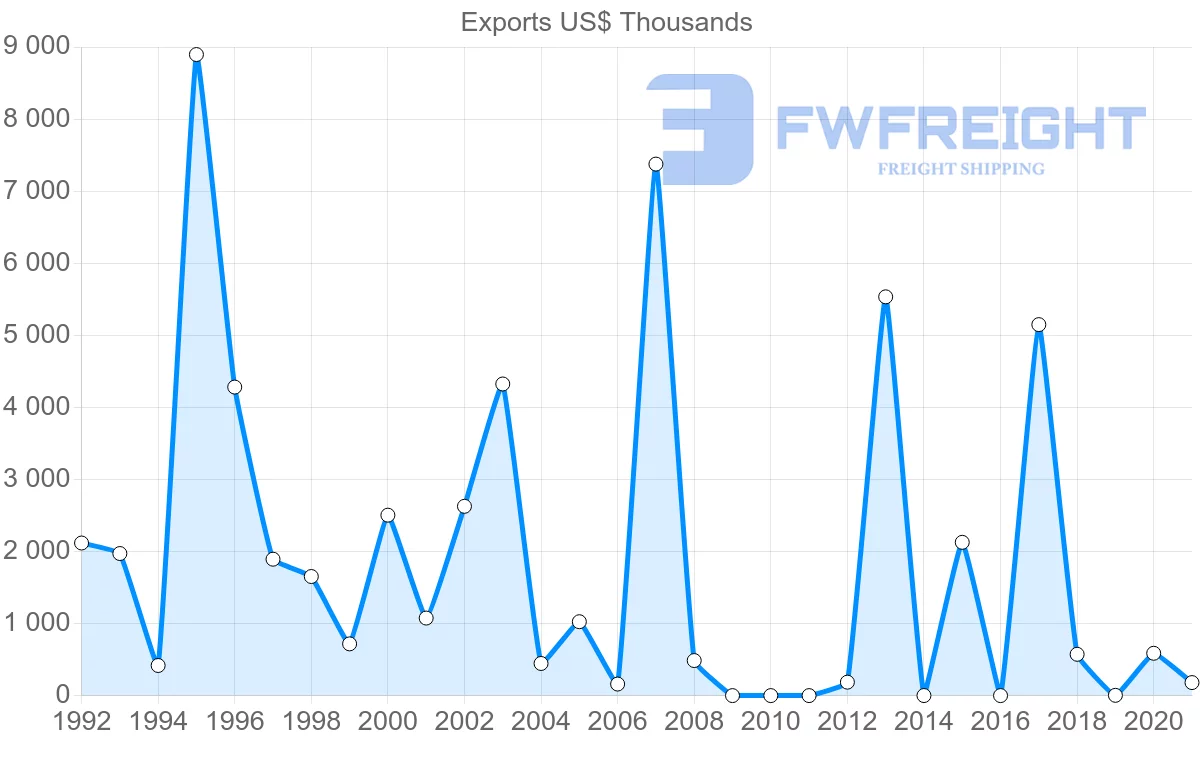 Over the past 30 years, the value of all product exports from Nigeria to Kenya has experienced significant fluctuations. In 1992, the value stood at $2117.306 million, which then decreased to $1971.327 million in 1993. There was a slight increase in 1994 to $417.653 million, followed by a substantial jump in 1995 to $8895.323 million. The value continued to fluctuate over the years, reaching its peak in 2007 at $7375.165 million before dropping to $0 in 2008, 2009, and 2010. Since then, there has been a gradual increase in export value, with 2021 recording a value of $180.536 million. Overall, there have been significant changes in trade between Nigeria and Kenya, with various factors influencing the export values over the years.
The main product groups exported from Nigeria to Kenya include petroleum products, machinery, chemicals, processed foods, and textiles. Petroleum products have consistently been a major export, given Nigeria's status as a major oil-producing country. Machinery exports have also been significant, indicating Kenya's need for industrial equipment. Chemicals, processed foods, and textiles are other important product groups exported from Nigeria to Kenya, showcasing the diverse range of goods exchanged between the two countries. These product groups play a vital role in strengthening the trade relationship between Nigeria and Kenya and contribute to the economic development of both nations.
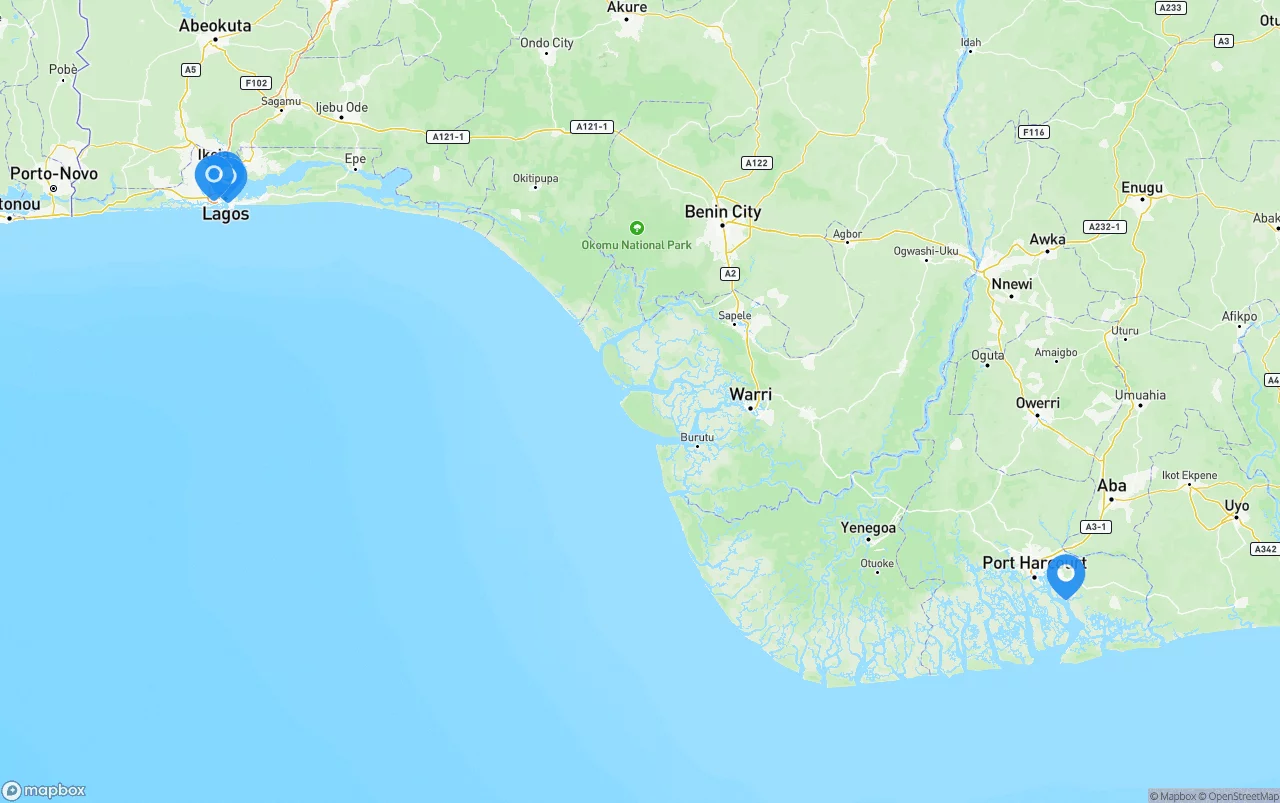 Apapa Port: Apapa Port is the largest and busiest port in Nigeria, located in Lagos. It is a major gateway for imports and exports in the country, handling a large volume of goods such as petroleum products, vehicles, and general cargo. The port is equipped with modern facilities and infrastructure to handle containerized cargo efficiently.
Lagos Port: Lagos Port is another important port in Nigeria, located on the outskirts of Lagos. It serves as a key hub for trade in the region, handling various types of cargo including containers, bulk cargo, and petroleum products. The port has undergone significant expansion and modernization in recent years to enhance its capacity and efficiency.
Onne Port: Onne Port is located in Rivers State, serving as a major oil and gas logistics base in Nigeria. It is one of the largest container terminals in the country, handling a significant volume of containerized cargo. The port is strategically located near oil and gas fields, making it a crucial hub for the industry.
Tincan Port: Tincan Port is situated in Lagos, adjacent to the Apapa Port. It is a key gateway for containerized cargo, handling a significant volume of imports and exports. The port has modern facilities and equipment to ensure efficient handling of cargo, contributing to the economic growth of Nigeria.
Antan Terminal Port: Antan Terminal Port is a private port terminal located in Lagos, specializing in containerized cargo. It is a key player in the maritime industry, offering efficient services for shippers and consignees. The port is equipped with state-of-the-art facilities to handle various types of containers and goods.
Other ports in Nigeria include Port Harcourt Port, Calabar Port, and Warri Port, which also play significant roles in the country's maritime trade.
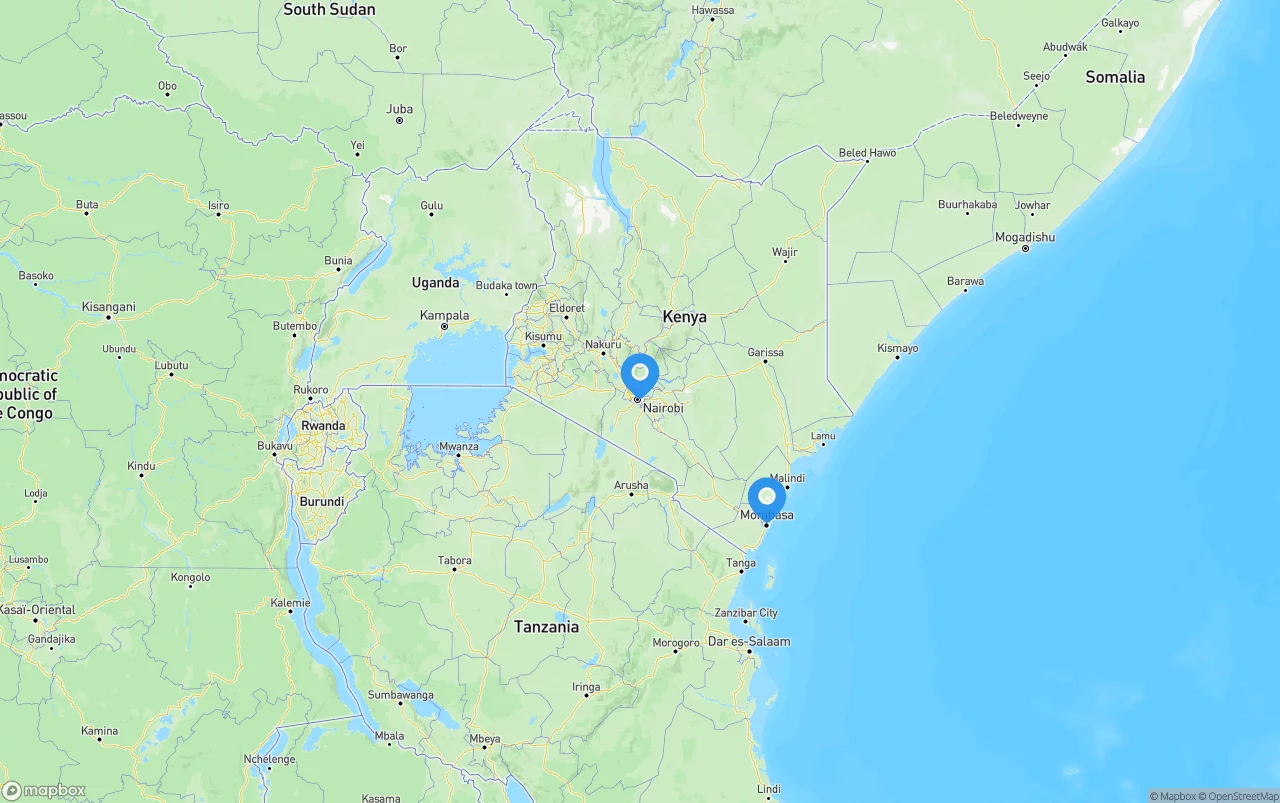 Mombasa Port: Mombasa Port is the largest seaport in Kenya and serves as the main gateway for imports and exports in the country. It is strategically located along the Indian Ocean coast and handles a large volume of cargo including containers, bulk cargo, and petroleum products. The port is equipped with modern facilities and infrastructure to support efficient cargo handling and storage operations.
Nairobi Port: Nairobi Inland Container Depot (ICD) is an important dry port located in Nairobi, which serves as a key transportation hub for cargo destined for the landlocked countries in East Africa. It is connected to Mombasa Port by rail and road networks, facilitating the smooth movement of cargo between the port and the inland depots.
Lamu Port: Lamu Port is a new deep-water port project located in Lamu County, along the northern coast of Kenya. Once completed, it is expected to become a major transshipment hub in the region, handling large container vessels and bulk cargo shipments. The port is part of the Lamu Port-South Sudan-Ethiopia Transport (LAPSSET) corridor project, which aims to enhance trade and connectivity between the East African countries.
Malindi Port: Malindi Port is a smaller port located in Malindi town, serving as a fishing harbor and tourist destination along the Kenyan coast. While it is not a major commercial port like Mombasa, Malindi Port plays a crucial role in supporting the local fishing industry and tourism sector. The port also handles some cargo shipments for the surrounding region.
Other ports in Kenya include Kilindini Port, Kisumu Port, and Shimoni Port. Kilindini Port is a section of Mombasa Port and serves as the main container terminal, while Kisumu Port is located on Lake Victoria and facilitates waterborne trade in the western part of Kenya. Shimoni Port is a small fishing harbor near the Tanzanian border, supporting local fishing activities in the region.
Looking for a freight forwarder in Nigeria and Kenya? There is a list of the best freight forwarders, cargo agents, air, sea, land, river, railroad transport companies, logistics, brokers cargo services in Nigeria and Kenya. Elevate your business's supply chain effectiveness by selecting the ideal freight forwarding partner.
Maximize your logistics efficiency between Nigeria and Kenya by partnering with premier freight forwarders. These expert forwarders invest time to deeply understand your unique shipping requirements. Through a personalized and meticulous approach, they guarantee seamless shipment execution across borders, ensuring timely arrivals at every destination.
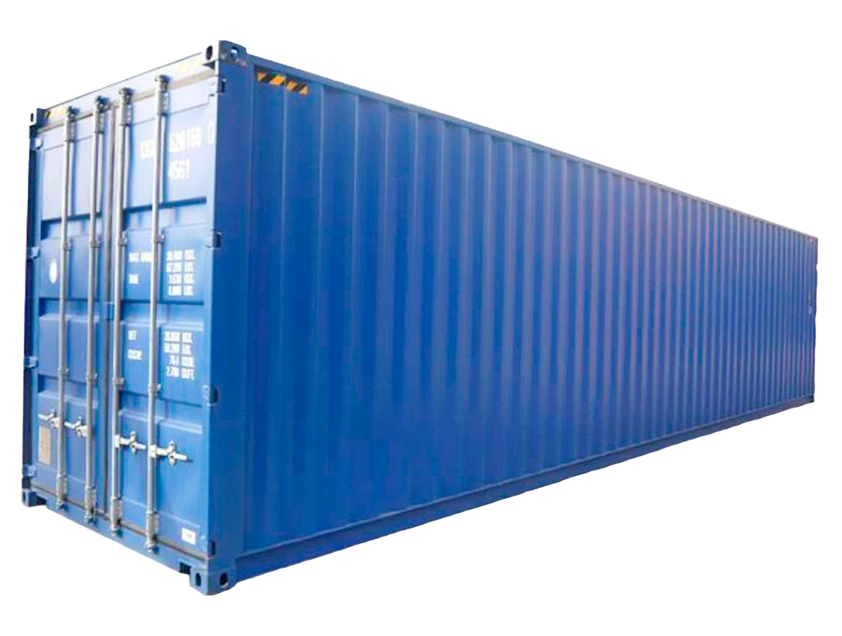
At FWFreight, we offer comprehensive international container shipping services tailored to meet your needs. We provide efficient and reliable shipping solutions from Nigeria to Kenya. Here's a breakdown of our shipping options:
LCL from Nigeria to Kenya (Less than Container Load):
For smaller shipments that don't fill an entire container, our LCL service is the perfect solution. We consolidate multiple shipments into one container, saving you time and money. With regular departures to Kenya from Nigeria. Your cargo will reach its destination securely and on schedule.
FCL from Nigeria to Kenya (Full Container Load):
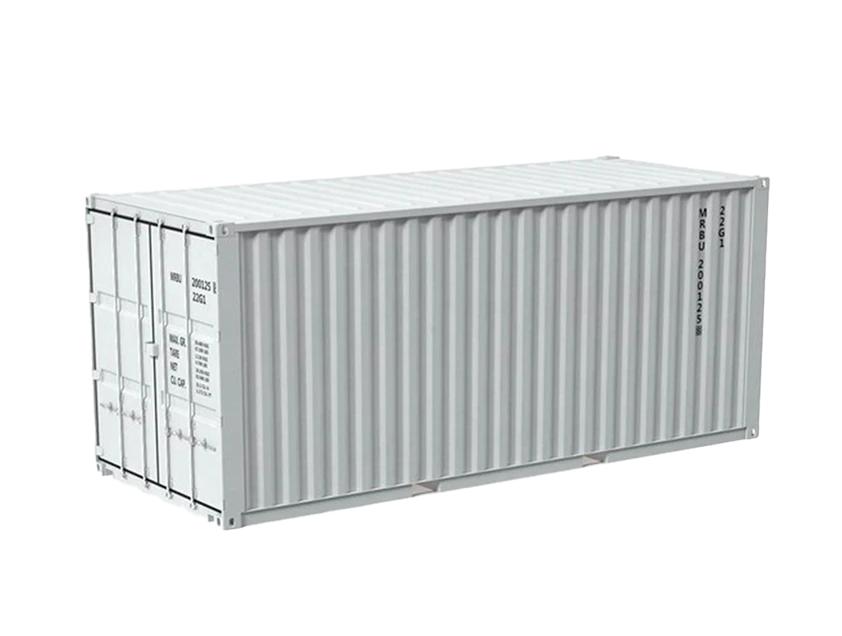
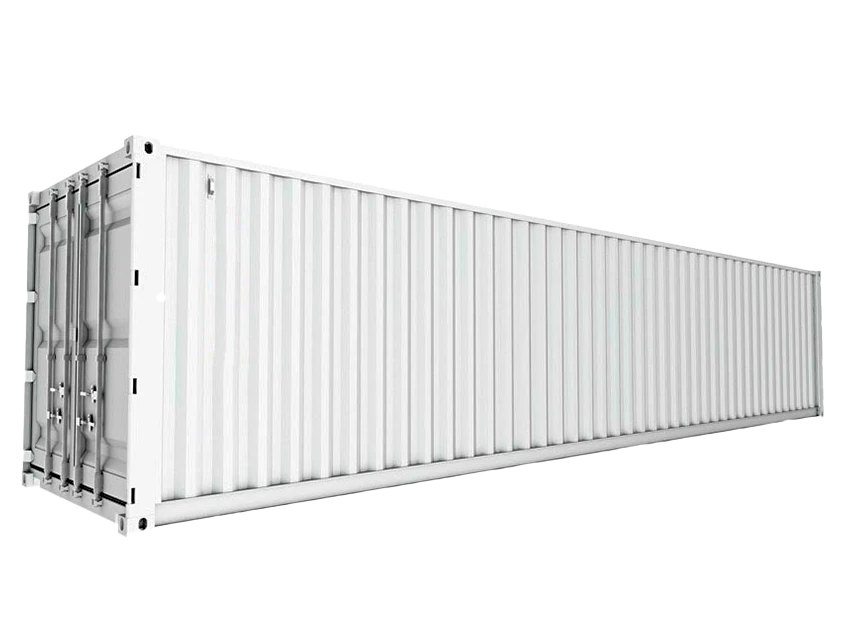
If you have enough cargo to fill a whole container, our FCL service offers exclusive use of a container. This ensures your goods remain secure and minimizes the risk of damage during transit. Choose to 20 FT, 40 FT, or 40 HC containers, depending on the volume and nature of your cargo.
Air Freight from Nigeria to Kenya:
When time is of the essence, our air freight service provides swift delivery for urgent shipments. With extensive networks and partnerships, we guarantee efficient handling and timely delivery of your cargo to Kenya to destinations across the globe.
Below is a table with Shipping Rates from Nigeria to Kenya for various types of containers. You can use these Quick Quotes from Nigeria to Kenya as a guideline. To get an Instant Rate from Nigeria to Kenya for the necessary date, you can send a request.
For container transportation from Nigeria to Kenya, various factors come into play. The size of the shipping container, the type of goods to be shipped, distance of the destination, and the shipping method (either Full Container Load or Less than Container Load) all directly affect the cost.
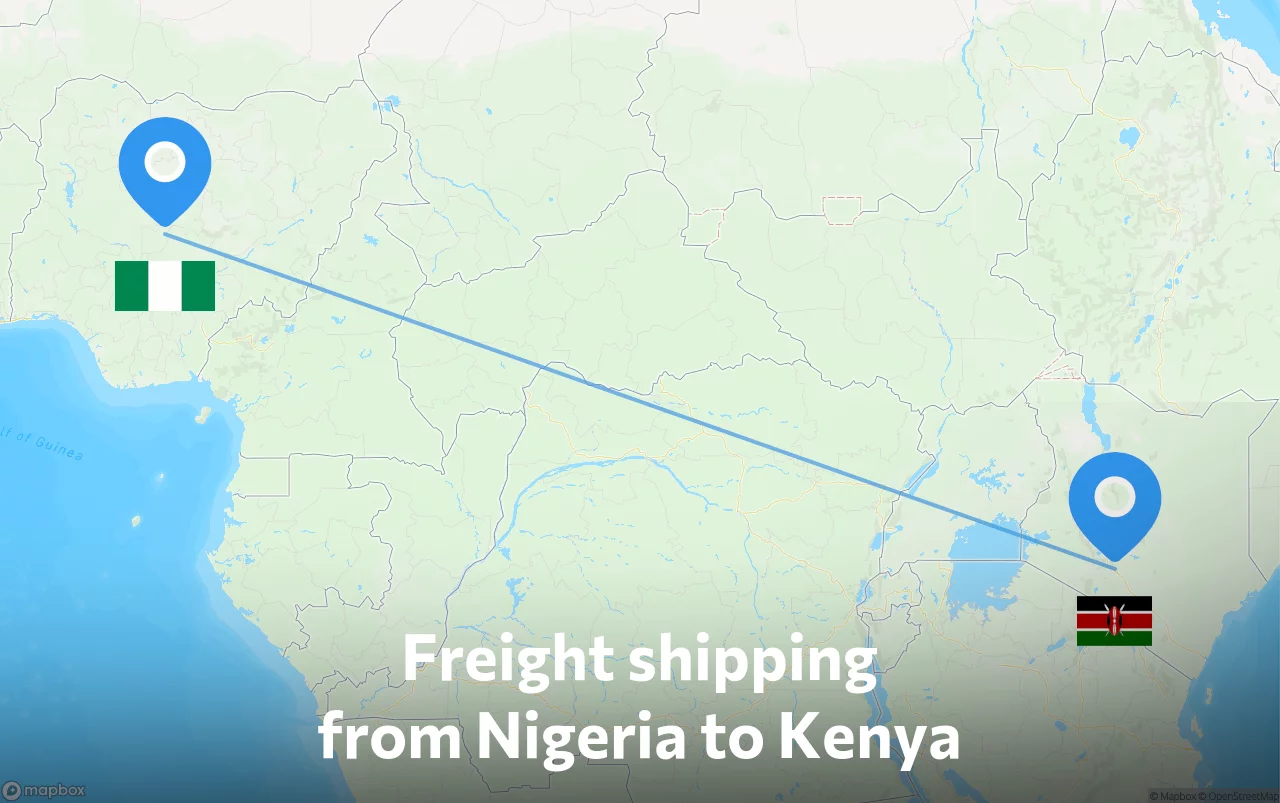 Shipping cargo from Nigeria to Kenya via sea freight typically takes around 7-14 days on average. The exact transit times can vary depending on the specific ports of origin and destination, as well as factors such as weather conditions, vessel schedules, and any potential delays in customs clearance. The distance between the two countries, as well as the efficiency of logistics operations, can also impact the overall shipping time. For example, goods traveling from Lagos, Nigeria to Mombasa, Kenya may take longer than those going from Port Harcourt, Nigeria to Nairobi, Kenya due to the longer distance and potential congestion at certain ports.
Customs clearance procedures can have a significant impact on the overall shipping time from Nigeria to Kenya. Both countries have specific requirements for importing goods, and delays in processing paperwork or inspections can lead to extended transit times. On average, customs clearance in Nigeria can take around 3-5 days, while in Kenya it may take 2-4 days. It is important for businesses to factor in these potential delays when planning their shipments. For companies looking for reliable and efficient transport services between Nigeria and Kenya, FWFreight specializes in providing seamless logistics solutions for cargo shipping on this route, helping to minimize delays and ensure timely delivery of goods.
 At FWFreight, we are more than just a shipping and forwarding company. We are your trusted partners in ‘Freight Shipping to Kenya’. Our primary focus is facilitating smooth and efficient transportation, be it sea, air, rail, truck, or forwarding services, to Kenya from various parts of the globe, ensuring your consignment reaches its destination hassle-free and on time. We have a solid network of collaborators and a comprehensive understanding of import regulations, making us experts in 'international shipping to Kenya from other countries'. Our comprehensive suite of services is tailored to meet the unique needs of each client, making us a preferred choice for domestic exporters and global importers alike.
At our company, customer satisfaction is at the heart of everything we do. We are committed to providing a world-class service experience to each and every customer. As a leading player in the industry, our shipping company prides itself on offering the best rates in the market, coupled with a prompt and reliable service. FWFreight understands the dynamic nature of the logistics industry and adapts swiftly to any changes, ensuring a seamless shipping process for our clients. We are more than ready to go the extra mile to guarantee you the peace of mind that comes with knowing your shipment is in safe and capable hands.