When it comes to Freight Shipping to Aruba, FWFreight stands as an industry leader, offering a range of comprehensive and tailor-made shipping solutions for every need. Over the years, we have successfully facilitated countless shipments to Aruba, serving a diverse clientele ranging from domestic exporters to international importers. In addition to standard shipping and forwarding services, our unique expertise lies in import to Aruba. We leverage a robust network of sea, air, rail, and truck transportation to ensure your cargo reaches its destination in the most efficient and cost-effective manner. Regardless of the shipping challenge, FWFreight guarantees to meet and exceed your expectations, leaving you feeling confident that your logistics needs are in the best hands.
From a service perspective, our company stands out as a reliable and dynamic partner in the world of logistics. Our commitment to customer satisfaction and unrivaled expertise in international shipping to Aruba from other countries sets us apart. We take pride in our ability to provide the best service in the world for each customer, irrespective of the size or complexity of their shipping requirements. With FWFreight, you get more than just a shipping company; you get a dedicated partner committed to delivering your goods safely, on time, and within budget. Our array of services, including sea, air, rail, truck, and forwarding services, is designed to cater to your unique shipping needs, making us your one-stop solution for all your logistics requirements.
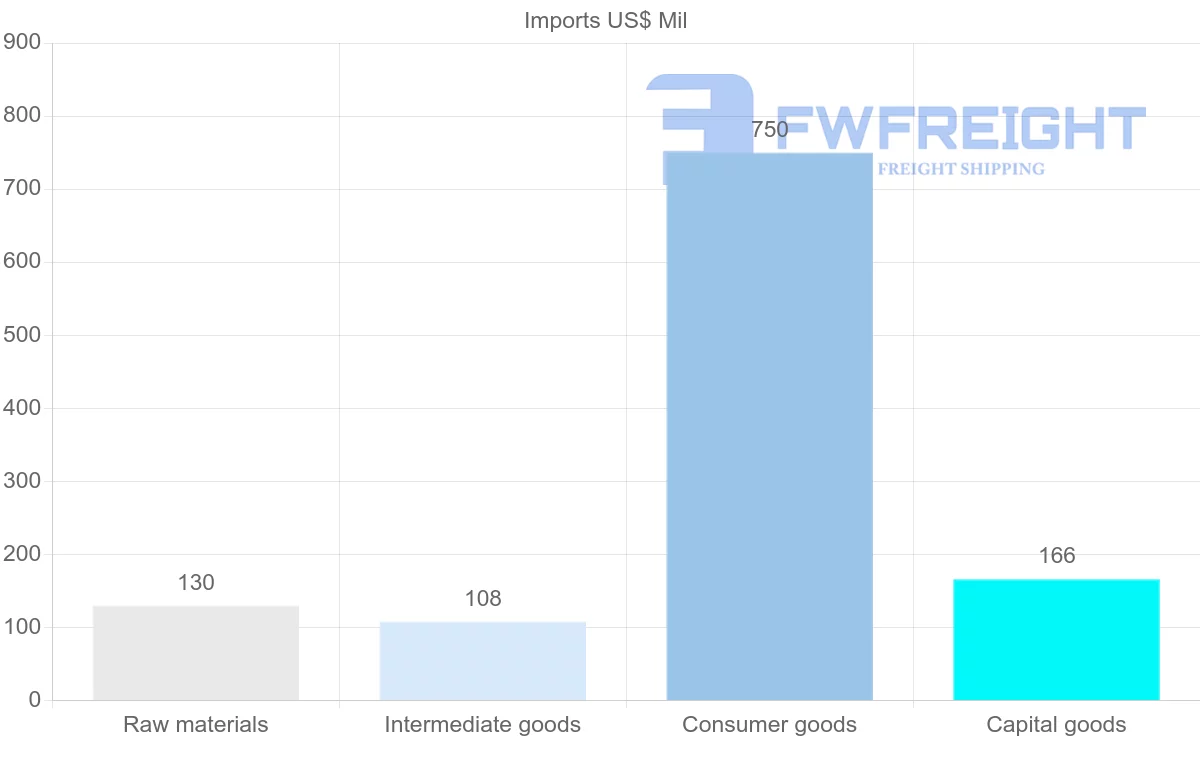 The graph representing Aruba's Top 5 Import Goods demonstrates a significant variation in the distribution of imports across different product categories. The data indicates that the Consumer Goods category has the highest import value, standing at US$ 750 million, and consequently accounts for the largest share of total import volume at 64.13%. This category typically includes items purchased by individuals for personal or household use such as food, clothing, electronics, and automobiles.
Coming in at a distant second, the Capital Goods category, which includes goods used in the production of other goods like machinery, equipment, or buildings, represents a 14.17% share of the total import volume with an import value of US$ 166 million. Raw Materials, with imports valued at US$ 130 million, accounts for 11.09% of total imports. This category comprises goods required for manufacturing processes including metals, timber, and oil. The Intermediate Goods category, which includes items used in the production of final goods, like car parts or bread flour, makes up 9.22% of total import volume at a value of US$ 108 million. Thus, the import pattern underscores the importance of consumer goods to Aruba's economy, followed by capital goods, raw materials, and intermediate goods respectively.
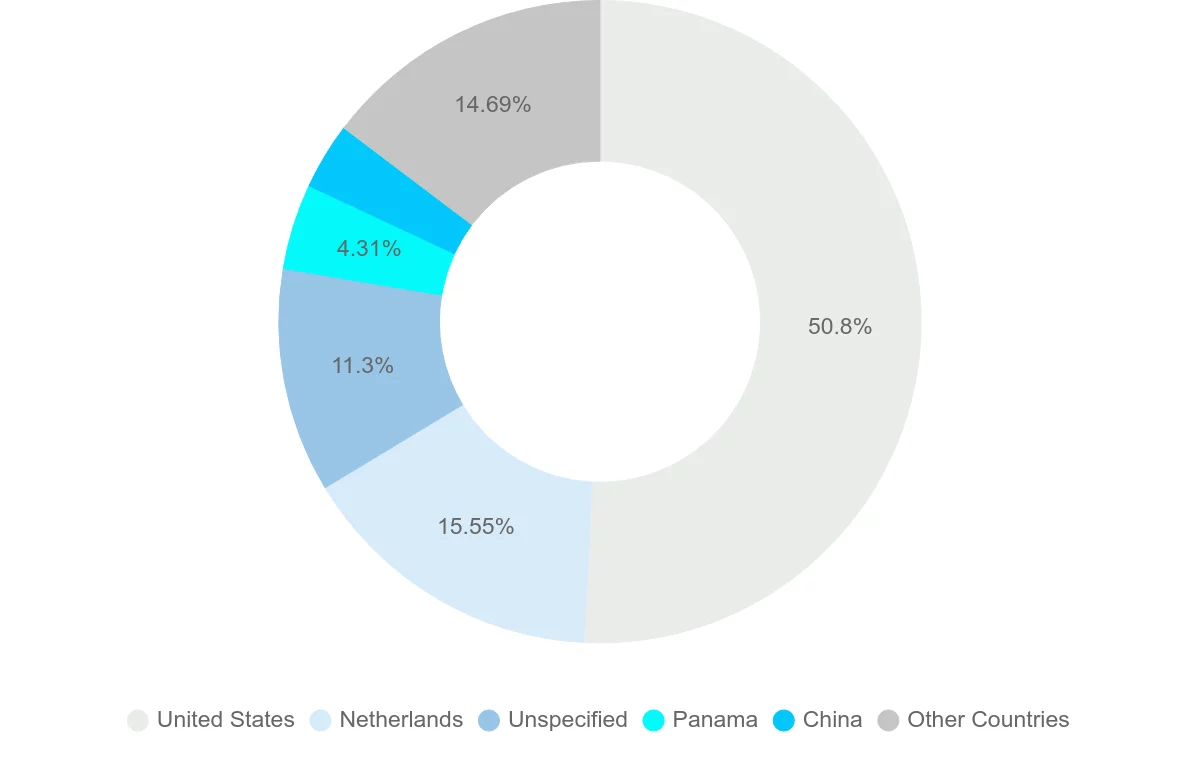 Aruba's top import partner is the United States, with a trade volume worth 594 million US dollars, accounting for a substantial 50.80% of Aruba's total imports. The primary categories of goods imported from the United States include machinery, vehicles, mineral fuels, pharmaceuticals, and electrical machinery. Given the United States' diverse economy, Aruba benefits from a wide range of product imports that support its own economic and infrastructural development.
The second most significant import partner of Aruba is the Netherlands, accounting for 15.55% of its total imports with a trade volume of 182 million US dollars. The main categories of goods imported from the Netherlands are machinery and transport equipment, chemicals, fuels, food products, and manufactured goods. As a former Dutch colony, Aruba maintains strong economic ties with the Netherlands, which is evident in their substantial trade relationship. Panama is Aruba's third-largest import partner, representing 4.31% of total imports with a trade volume of 50 million US dollars. Aruba primarily imports petroleum products from Panama due to the country's strategic position concerning the global oil industry. Finally, Aruba's fourth-largest import partner is China, which contributes 3.35% to its total imports with a trade volume of 39 million US dollars, primarily in the form of manufactured goods, electronics, and machinery. The trades with these countries help Aruba diversify its import market and secure crucial goods and services.
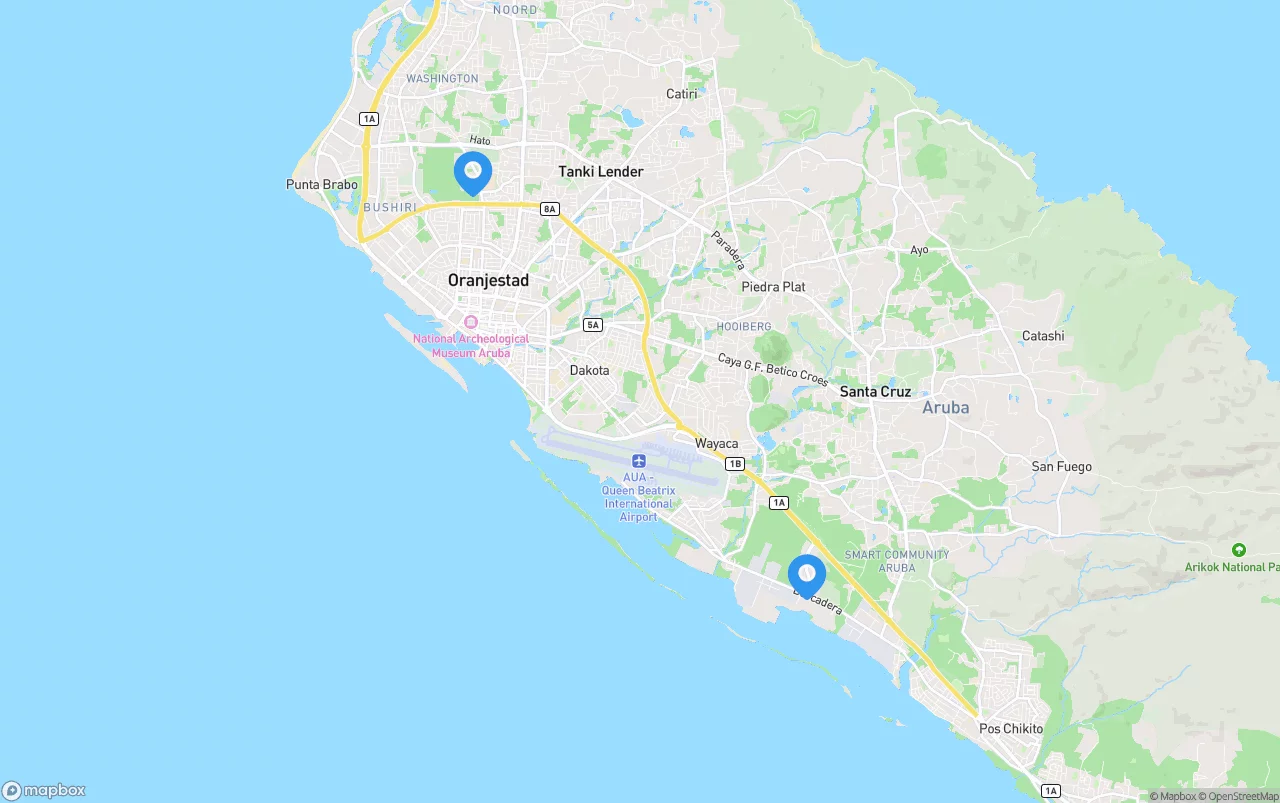 Barcadera Port: Barcadera Port is located on the western side of Aruba and primarily serves as a commercial port. It is equipped to handle various types of cargo including containers, bulk cargo, and project cargo. The port is well-connected to major shipping routes and has modern facilities to ensure efficient loading and unloading operations.
Oranjestad Port: Oranjestad Port is the main port of Aruba and is located in the capital city of Oranjestad. It serves as a hub for cruise ships, accommodating thousands of passengers each year. The port also handles cargo shipments, including containers and bulk cargo. Oranjestad Port is a key entry point for goods coming into and out of the country.
Aruba Port: Aruba Port is a major commercial port in the southern part of the island. It is well-equipped to handle a variety of cargo, including containers, dry bulk, and liquid bulk. The port is strategically located near the refinery complex in San Nicolas, facilitating the import and export of petroleum products and other goods.
San Nicolas Port: San Nicolas Port is located on the southern coast of Aruba and primarily serves the oil industry. The port is connected to the nearby refinery complex and is a key facility for importing crude oil and exporting refined petroleum products. San Nicolas Port plays a crucial role in supporting the island's energy sector.
Other Ports: In addition to the main commercial and container ports, Aruba also has smaller ports that cater to fishing and recreational activities. These ports are located in various coastal communities around the island and contribute to the local economy through tourism and maritime activities.
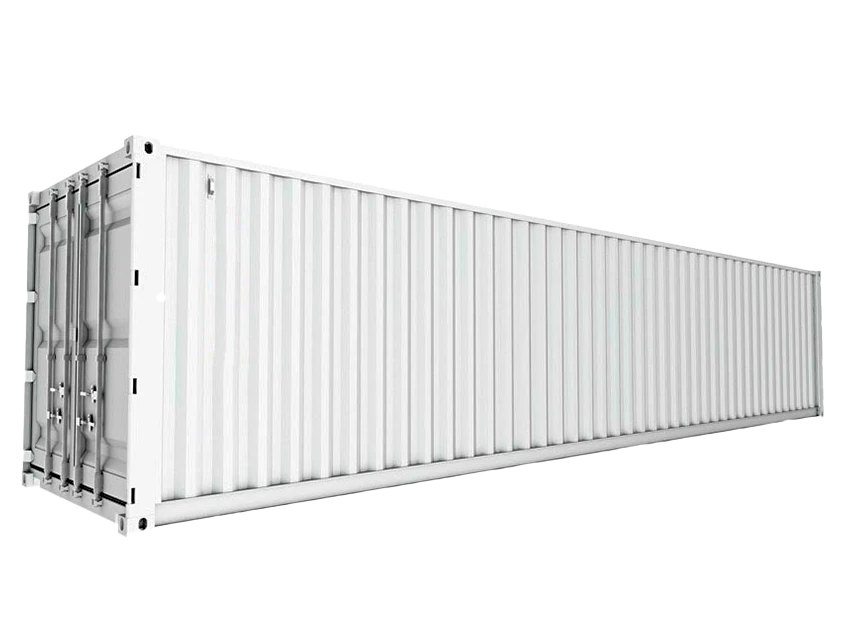
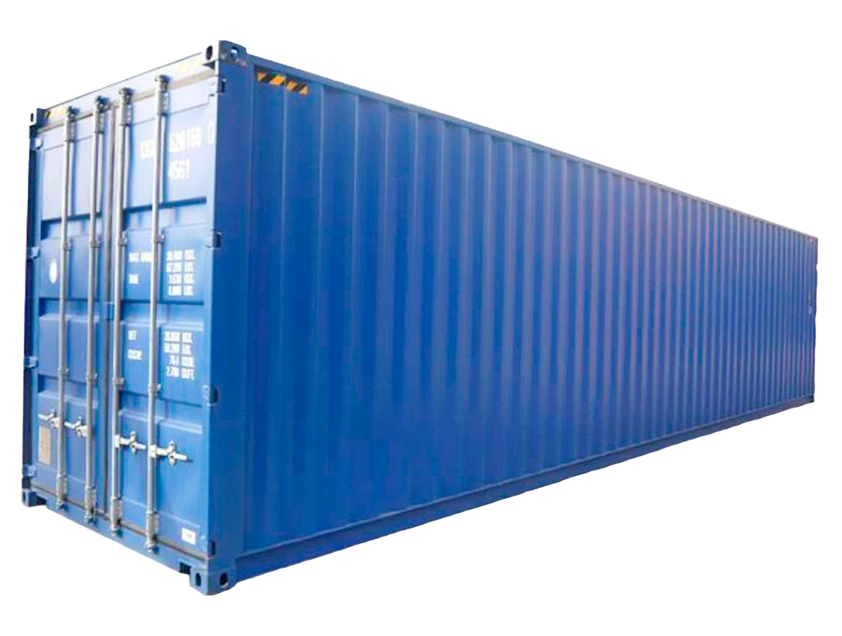
At FWFreight, we offer comprehensive international container shipping services tailored to meet your needs. To Aruba, we provide efficient and reliable shipping solutions to destinations worldwide. Here's a breakdown of our shipping options:
LCL (Less than Container Load):
For smaller shipments that don't fill an entire container, our LCL service is the perfect solution. We consolidate multiple shipments into one container, saving you time and money. With regular departures to Aruba, your cargo will reach its destination securely and on schedule.
FCL (Full Container Load):
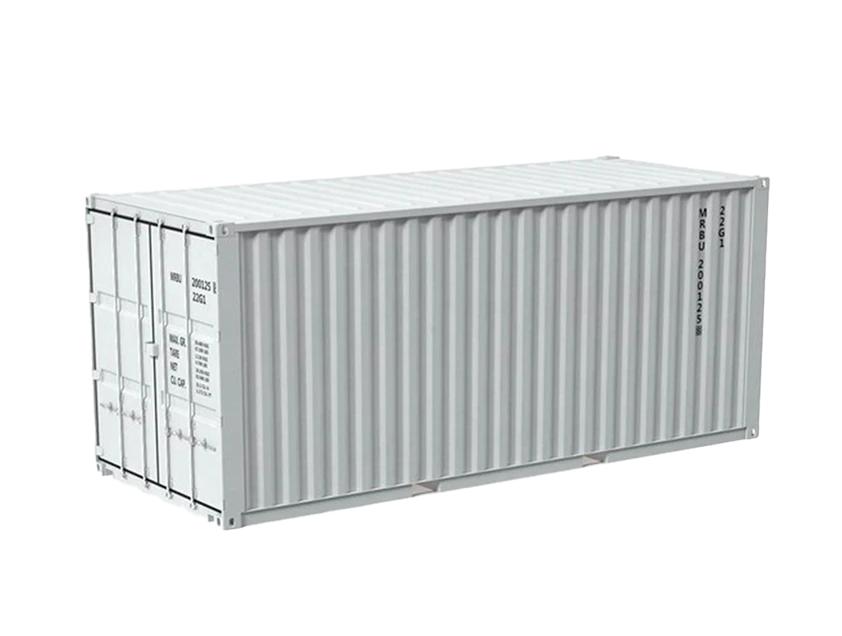
If you have enough cargo to fill a whole container, our FCL service offers exclusive use of a container. This ensures your goods remain secure and minimizes the risk of damage during transit. Choose to 20 FT, 40 FT, or 40 HC containers, depending on the volume and nature of your cargo.
Air Freight:
When time is of the essence, our air freight service provides swift delivery for urgent shipments. With extensive networks and partnerships, we guarantee efficient handling and timely delivery of your cargo to Aruba to destinations across the globe.
Below is a table with shipping rates to Aruba for various types of containers from other countries. You can use these Aruba Quick Quotes as a guideline. To get an Instant Shipping Rate to Aruba for the necessary date, you can send a request.
Aruba's import policies are fairly liberal, designed to foster a thriving trade environment. Our company, FWFreight, specializes in imports to Aruba from other countries and is well versed in the specifics of Aruba's import regulations and the potential specialized duties associated with different product categories. One critical aspect to consider is the correct calculation of import costs, for which we offer assistance to ensure accurate estimates, taking into account shipping rates to Aruba, insurance, customs duties, and other related charges.
Container transportation to Aruba is a commonly used method for importing goods, especially for large shipments. In this context, considerations such as the size and weight of the shipment, the type of goods being transported, and the choice between Full Container Load (FCL) or Less than Container Load (LCL) become crucial factors in determining the cost and planning the shipment efficiently. We provide both FCL and LCL options, ensuring that your cargo is transported safely and economically.
Air transportation to Aruba presents its own set of unique considerations. While it can be a quicker option, it is generally more expensive than shipping via container. Fees are typically calculated based on either actual weight or volumetric weight, whichever is greater. It’s also vital to be aware of handling charges at the Aruban airport and customs regulations specific to air shipments. Our team of experts can guide you through these intricacies, ensuring that you have the most cost-effective solution for your importing needs.