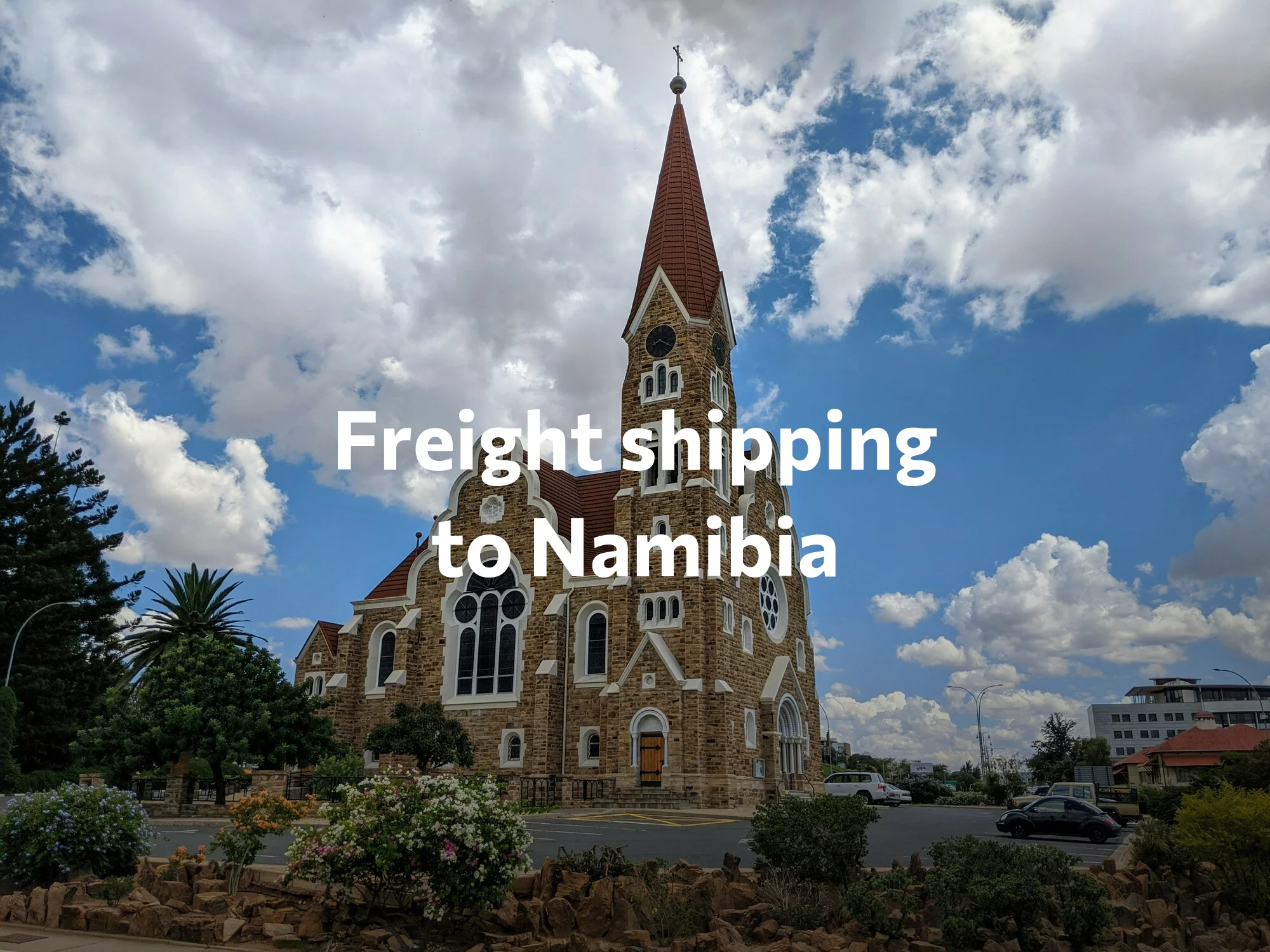
FWFreight is a reputable logistics and forwarding company, specializing in freight shipping to Namibia. Whether shipping goods via sea, air, rail, or truck, FWFreight provides seamless transportation solutions, making international shipping to Namibia from other countries effective and efficient. With a deep understanding of global and domestic trading regulations coupled with a robust network, this company is the trusted partner for numerous businesses. Whether you are a domestic exporter looking to expand your markets or an international importer seeking a reliable forwarder in Namibia, FWFreight is the right place for all your shipping needs. This company's expertise in managing and securing shipments guarantees timely delivery and the preservation of your consignments' integrity.
FWFreight has a customer-centric approach, ensuring that all clients receive personalized attention and the best possible service. With world-class customer support and logistics management, we are committed to meeting every unique demand and overcoming any transportation challenge. Our shipping company offers a comprehensive range of tailored services, including all-inclusive freight forwarding, making us a one-stop-shop for all your logistic requirements. Our dedication to your satisfaction is unparalleled, with competitive pricing models that ensure we provide the best value for money in all our transactions. Trust us to provide the best service in the world, making your shipping and forwarding process hassle-free and efficient. We are more than just a logistics company; we are your strategic partner in delivering exceptional freight and forwarding solutions to Namibia.
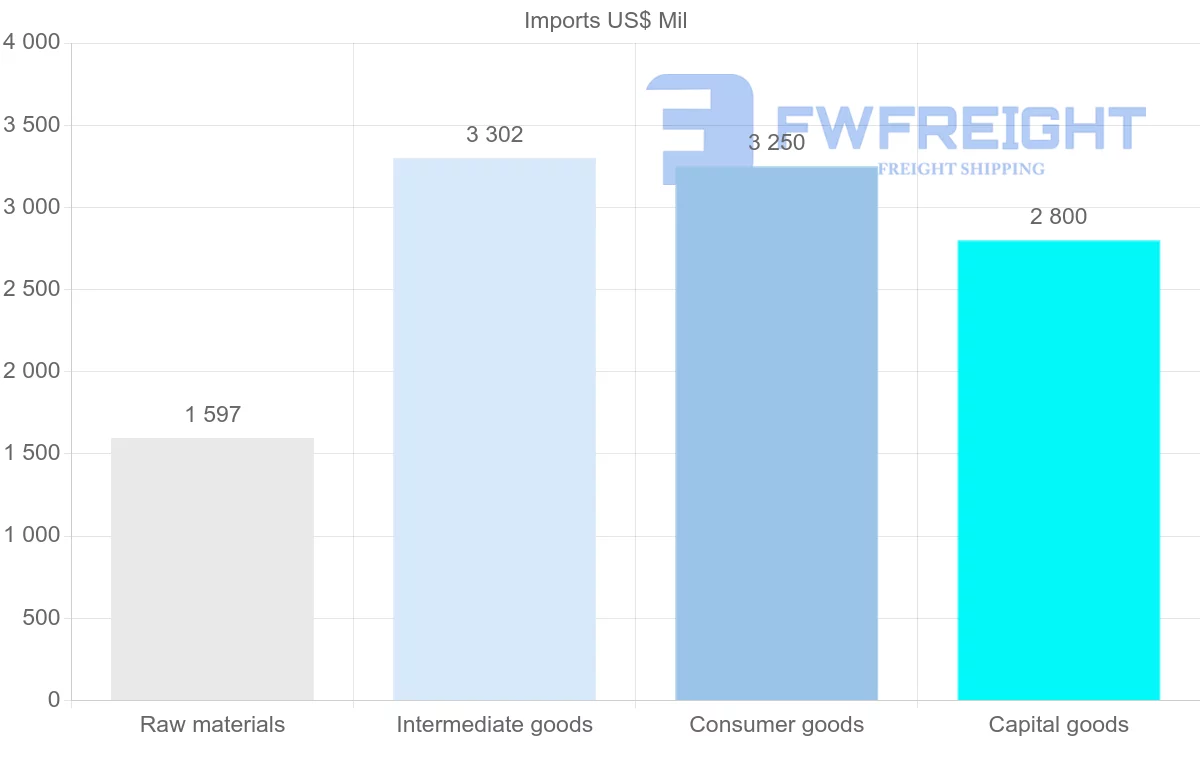 The graph delineates the distribution of imports by Namibia according to product categories, focusing on the top 5 import goods. Raw materials, with a total import value of $1597 million, account for 14.53% of the total imports. These are primary goods like crude oil, minerals, or agricultural products used in production processes. Following this, intermediate goods take up the largest proportion of Namibia's imports at 30.04%, with a value of $3302 million. These goods are either sold to consumers as they are or used in the production of other goods; they are essentially semi-finished goods, examples include components, ingredients, or parts that will be integrated into a final product.
The graph further illustrates that consumer goods, with an import value of $3250 million, make up 29.57% of Namibia's total imports. Consumer goods are the final output of production processes, which are directly utilized by the end-users or consumers. These include items such as clothing, food, and electronics. Capital goods have a slightly lower share, accounting for 25.47% of the total imports valued at $2800 million. These are tangible assets that an industry uses to produce goods or services, in effect, they are used to manufacture consumer goods and provide services. Capital goods categories include buildings, machinery, equipment, and vehicles. The graph therefore provides a comprehensive overview of the distribution of Namibia's import expenditure across different product categories, with intermediate goods taking the largest share followed closely by consumer goods, capital goods, and raw materials, respectively.
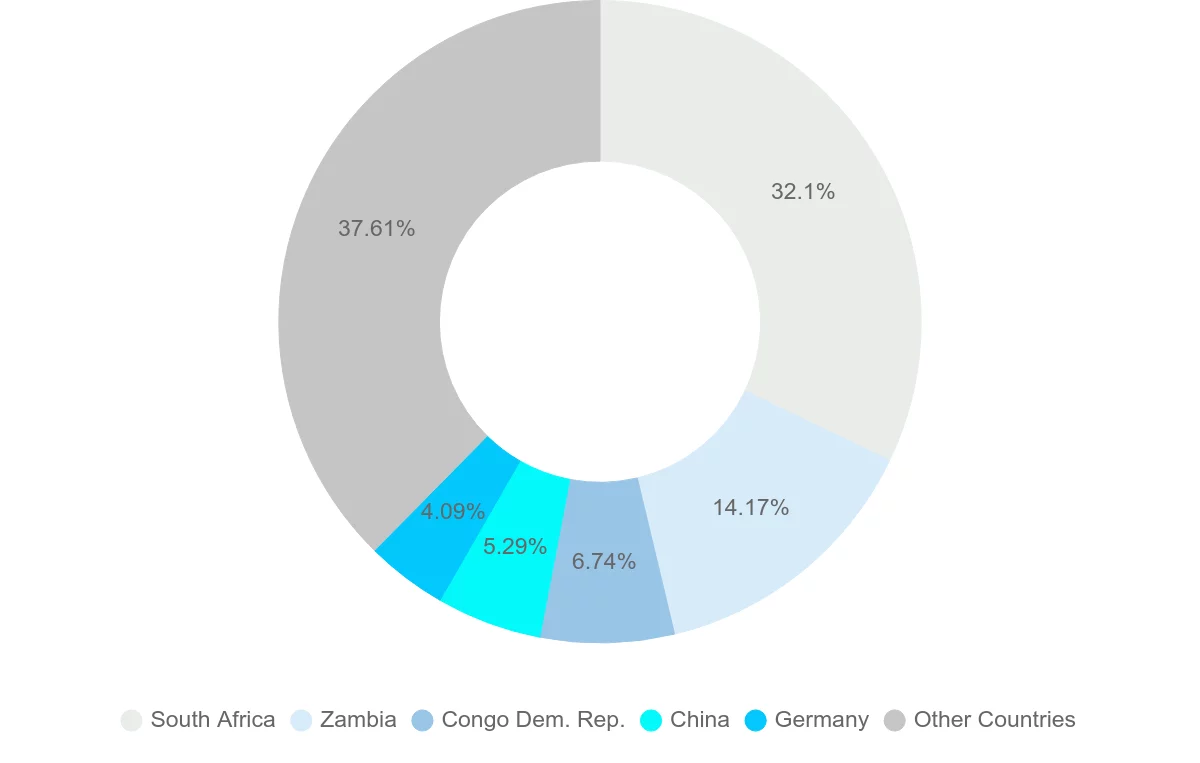 South Africa is Namibia's largest import partner, with a trade volume of 3528 million US dollars, accounting for 32.10% of Namibia's total imports. The major goods imported from South Africa include machinery and equipment, chemicals, petroleum products, and foodstuffs. South Africa's robust and diverse economy makes it a key trading partner for Namibia, providing a wide array of goods essential for Namibia's economic growth and development.
Zambia is the second-largest import partner, contributing 1558 million US dollars or 14.17% of total imports to Namibia. The main goods imported from Zambia are copper, gemstones, and other minerals. Congo Dem. Rep follows with an import value of 740 million US dollars, making up 6.74% of Namibia's total imports. The significant goods imported from Congo Dem. Rep are mainly minerals and wood products.
China comes fourth with an import trade volume of 582 million US dollars, representing 5.29% of Namibia's total imports. The goods imported from China are diverse and include machinery, electronics, textiles, and household goods. Lastly, Germany contributes 450 million US dollars worth of imports to Namibia, accounting for 4.09% of Namibia's total imports. The major goods imported from Germany consist mainly of machinery, vehicles, and chemical products. These five countries significantly support Namibia's economy through their exports, meeting a large portion of Namibia's import needs. The wide variety of goods imported from these countries reflects the diverse needs of Namibia's economic sectors.
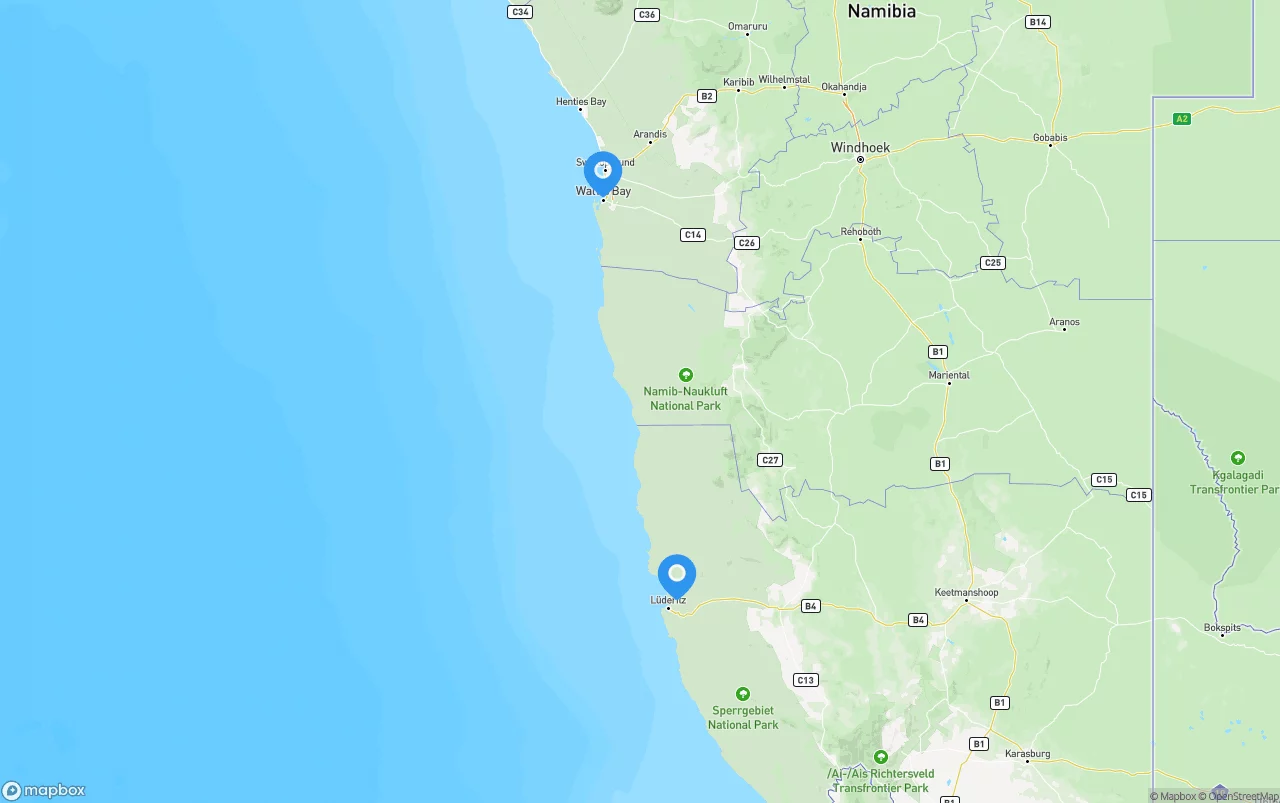 Luderitz Port: Luderitz Port is a small but strategically located port in Namibia. It primarily serves as a gateway for the fishing industry in the region. The port also handles some general cargo and provides services to the offshore diamond mining industry. Luderitz Port plays a vital role in the economy of the southern region of Namibia.
Walvis Bay Port: Walvis Bay Port is the largest and most important port in Namibia. It is a major gateway for international trade and serves as a crucial link between Namibia and other countries. The port handles a wide range of cargo, including containers, bulk cargo, and vehicles. It also serves as a key hub for the fishing industry and plays a significant role in the country's economy.
Other ports in Namibia include:
Port of Namibe: The Port of Namibe is located in neighboring Angola and serves as an important port for trade between Namibia and Angola.
Port of Luanda: The Port of Luanda is another major port in Angola that also serves as a key gateway for trade with Namibia.
Port of Lobito: The Port of Lobito is a significant port in Angola that handles a variety of cargo, including minerals, agricultural products, and general cargo.
These ports play a crucial role in facilitating trade and commerce in the region and are essential for the economic development of Namibia and its neighboring countries.
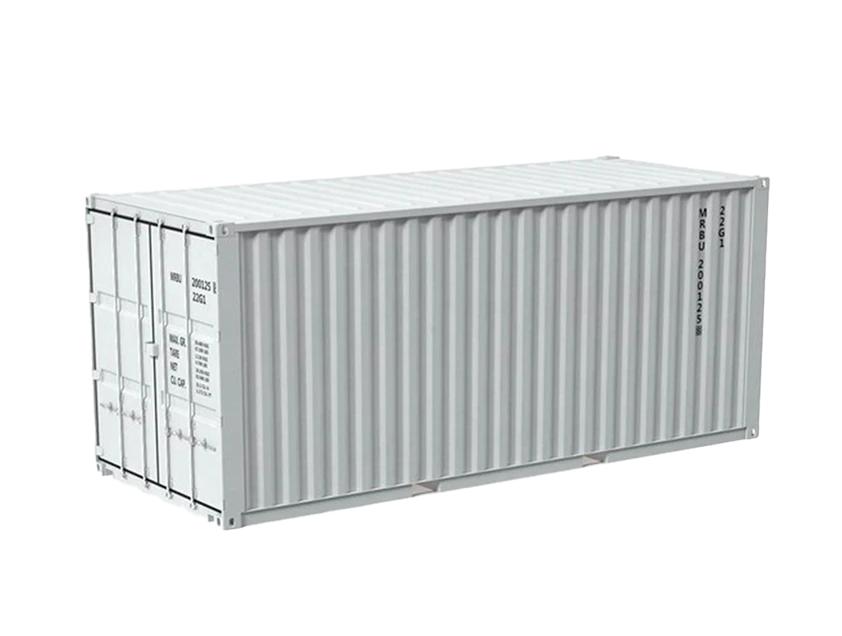
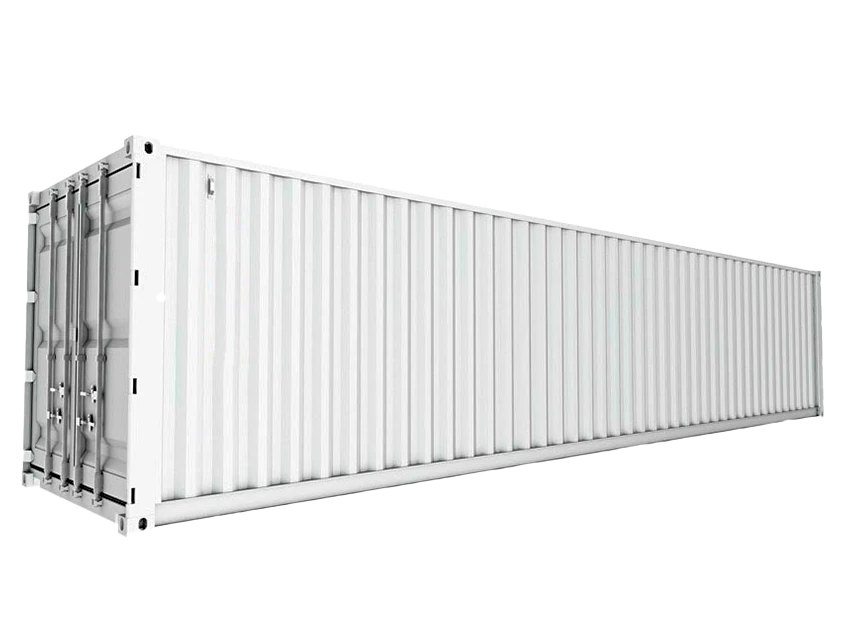
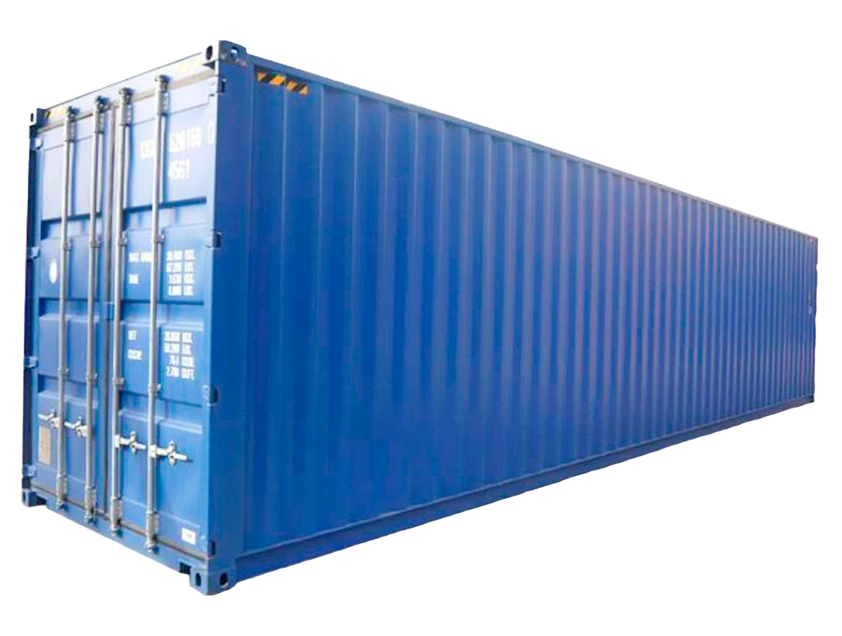
At FWFreight, we offer comprehensive international container shipping services tailored to meet your needs. To Namibia, we provide efficient and reliable shipping solutions to destinations worldwide. Here's a breakdown of our shipping options:
LCL (Less than Container Load):
For smaller shipments that don't fill an entire container, our LCL service is the perfect solution. We consolidate multiple shipments into one container, saving you time and money. With regular departures to Namibia, your cargo will reach its destination securely and on schedule.
FCL (Full Container Load):
If you have enough cargo to fill a whole container, our FCL service offers exclusive use of a container. This ensures your goods remain secure and minimizes the risk of damage during transit. Choose to 20 FT, 40 FT, or 40 HC containers, depending on the volume and nature of your cargo.
Air Freight:
When time is of the essence, our air freight service provides swift delivery for urgent shipments. With extensive networks and partnerships, we guarantee efficient handling and timely delivery of your cargo to Namibia to destinations across the globe.
Below is a table with shipping rates to Namibia for various types of containers from other countries. You can use these Namibia Quick Quotes as a guideline. To get an Instant Shipping Rate to Namibia for the necessary date, you can send a request.
Shipping to Namibia from abroad involves understanding the country's import regulations and focusing on areas such as tariff rates, taxes, customs regulations, and documentation requirements. Our company, FWFreight, provides comprehensive services for import to Namibia, ensuring compliance with the Customs and Excise Act of Namibia, which regulates all import activities. We consistently monitor the latest updates about 'Shipping Rates to Namibia' and adapt our strategies accordingly to give our clients the best prices and service.
When it comes to container transportation to Namibia, each container's specifications and the nature of goods play pivotal roles in determining the cost and type of service required. Expedited sea freight services are often used for bulkier items, while less-than-container-load (LCL) services are recommended for smaller shipments. We manage these processes meticulously, ensuring the goods are adequately secured and insured, and that the necessary paperwork, like the Bill of Lading, is in place to reduce potential custom-related delays or issues.
In contrast to sea freight, air transportation to Namibia offers speed and efficiency but at typically higher costs. Depending on the urgency and nature of goods, this method can prove to be invaluable. To ensure smooth import, we handle the airway bill, the customs declaration, and ensure goods comply with the International Air Transport Association (IATA) regulations. We also liaise with airports and airlines to safely and swiftly move the air cargo, all the while considering efficiency and cost-effectiveness in our operations.