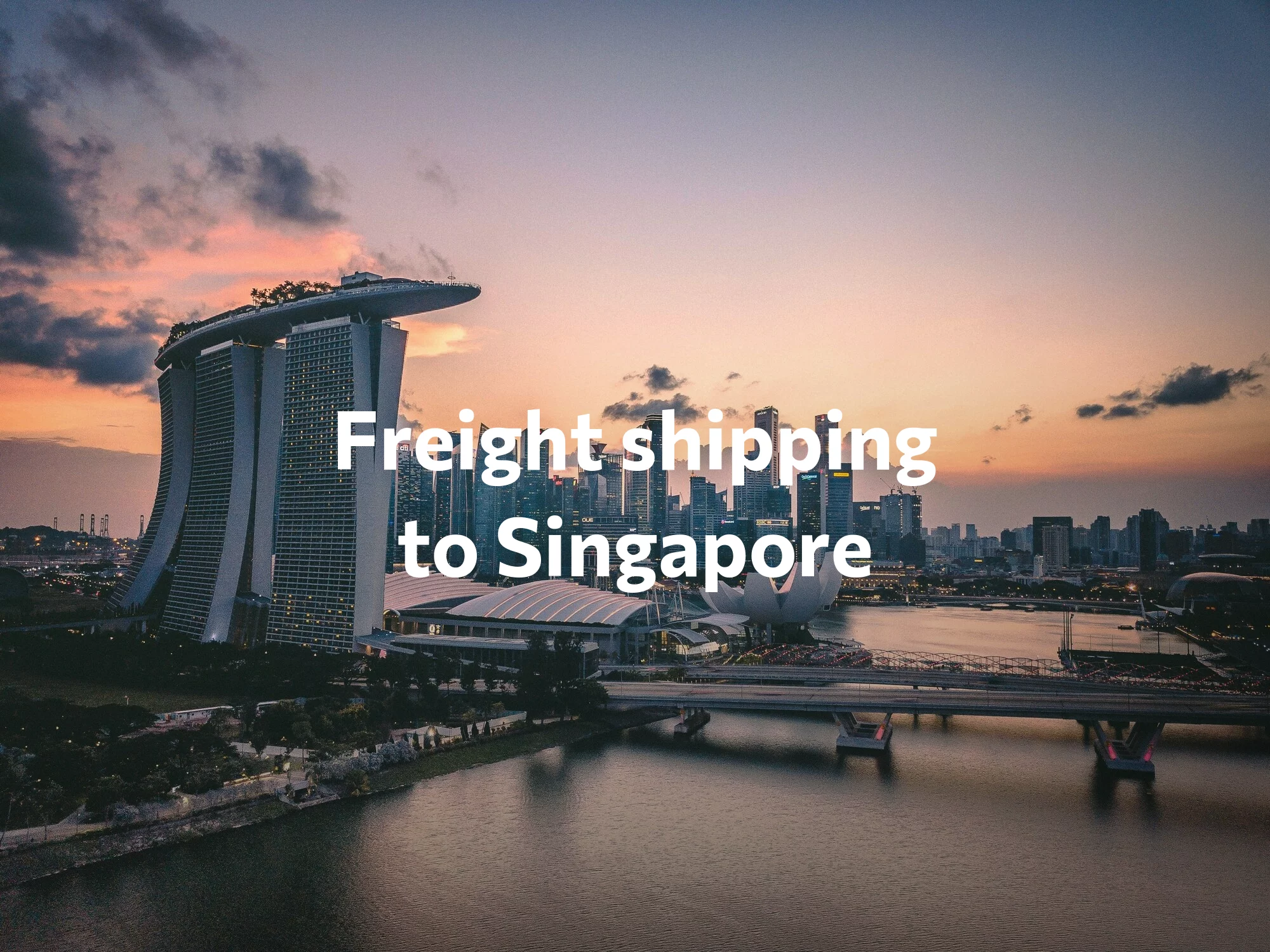
At FWFreight, we specialize in ‘Freight Shipping to Singapore’, providing comprehensive logistics solutions that are tailored to meet the specific needs of our clientele. Our core services have been designed for domestic exporters and global importers who require reliable and timely Cargo delivery. Whether it's sea, air, rail, or truck transportation, we ensure your goods reach their destination intact and on schedule. With our vast experience in 'international shipping to Singapore from other countries', we are unmatched in providing a seamless experience for our clients, making us the perfect partner for your shipping requirements.
From a service perspective, our shipping company is committed to delivering the best service in the world for every customer. We understand that in logistics, the needs of each client are unique, hence we offer tailored forwarding services that address the specific needs of each of our customers. At FWFreight, we pride ourselves on offering an unrivaled blend of exceptional customer service and competitive prices for all types of transportation. Our team is not only experienced but also dedicated to ensuring the safe, efficient, and timely delivery of your goods. Trusting us with your shipping needs means you're in the hands of professionals who will treat your goods with utmost care and attention they deserve.
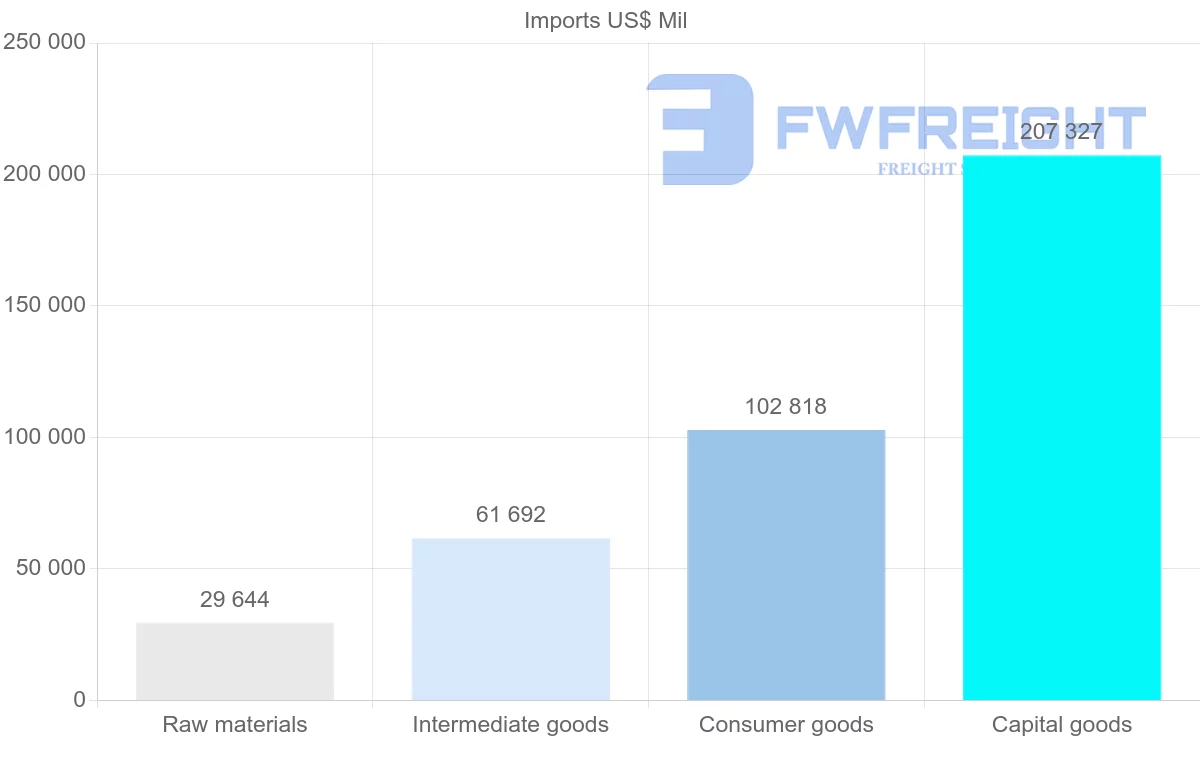 The graph displaying the import distribution across different product categories of Singapore’s Top 5 Emport Goods reveals that Capital goods constitute the largest category with an import value of 207327 US$ million, representing a whopping 50.99% of the total import volume. Capital goods encompass assets such as machinery, equipment, and tools used in the production of goods or services. The importing of such goods is a sign of industrial growth as these goods are generally used for further manufacturing, production, or construction in the country.
Consumer goods follow next in the list, accounting for 102818 US$ million or 25.29% of the total import figure. This category includes both durable goods (e.g., cars, furniture) and non-durable goods (e.g., food, beverages) which are directly consumed by the end consumers. Intermediate goods, which are goods used in the production of other goods (like components or raw materials), account for 61692 US$ million or 15.17% of total imports. The Raw materials category, which includes basic materials extracted from natural resources and used in manufacturing, reports an import value of 29644 US$ million, making up 7.29% of the total. These raw materials are usually transformed into intermediate goods or finished products. Overall, the graph presents a comprehensive distribution of Singapore's imports across different product categories, revealing the nation's high dependency on capital and consumer goods.
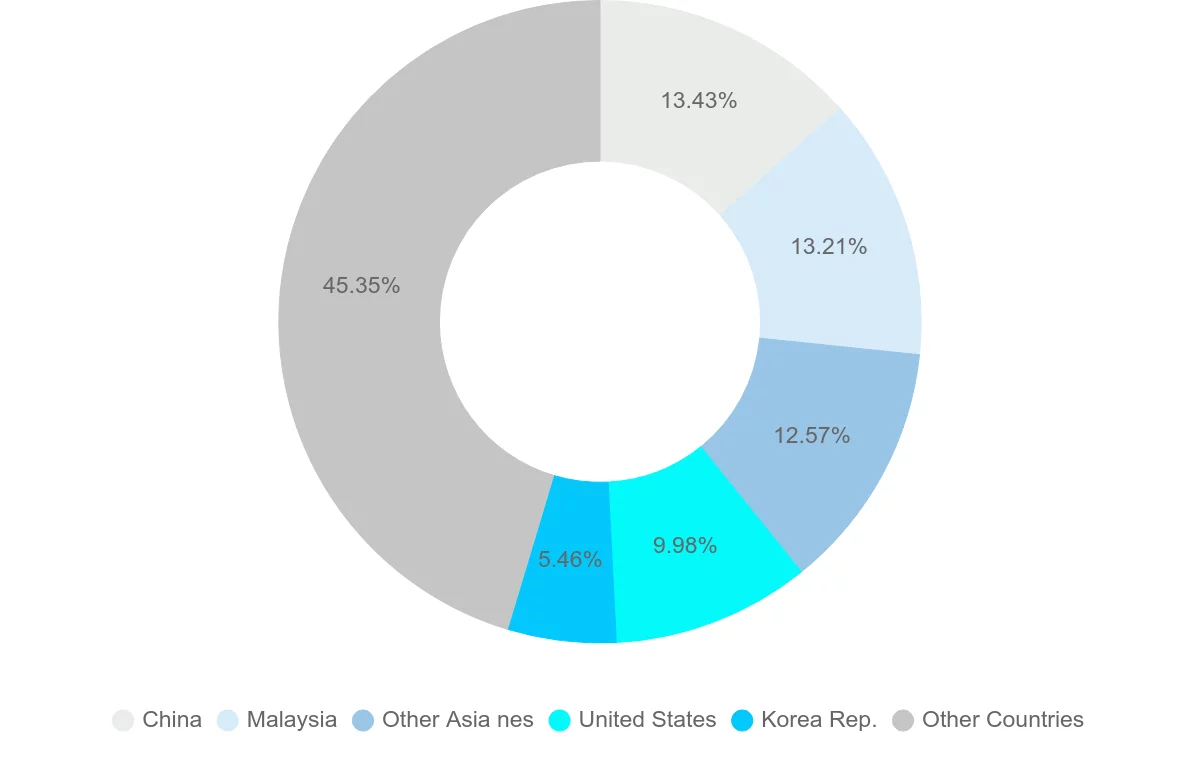 Singapore's Top 5 Import Partners are China, Malaysia, Other Asia nes, United States, and Korea Rep. with these countries contributing significantly to the total trade volume. China, accounting for the largest chunk, registered a trade volume of 54611 US dollars and a partner share of 13.43%. Most of the imports from China comprise of manufactured items, electronics, machinery, and raw materials.
Respectively, Malaysia registered 53729 US dollars in trade volume and shares 13.21% of Singapore's total imports. Singapore's trade with Malaysia primarily revolves around electrical and electronic equipment, refined petroleum goods, machinery, and appliances. Other Asia nes held a slightly lesser trade volume at 51119 US dollars, with a partner share of 12.57%. The imports from Other Asia nes majorly include manufactured goods, petroleum products, and chemical products.
On the other hand, the United States stands as the fourth major import partner for Singapore with a trade volume of 40573 US dollars and a 9.98% share in the partner's percentages. The primary goods imported from the United States include electrical machinery and equipment, aerospace products, and scientific and optical instruments. Lastly, Korea Rep. contributes a 5.46% share in Singapore's total imports with a trade volume of 22195 US dollars. The imports from Korea Rep. majorly include electronics, machinery, and motor vehicles.
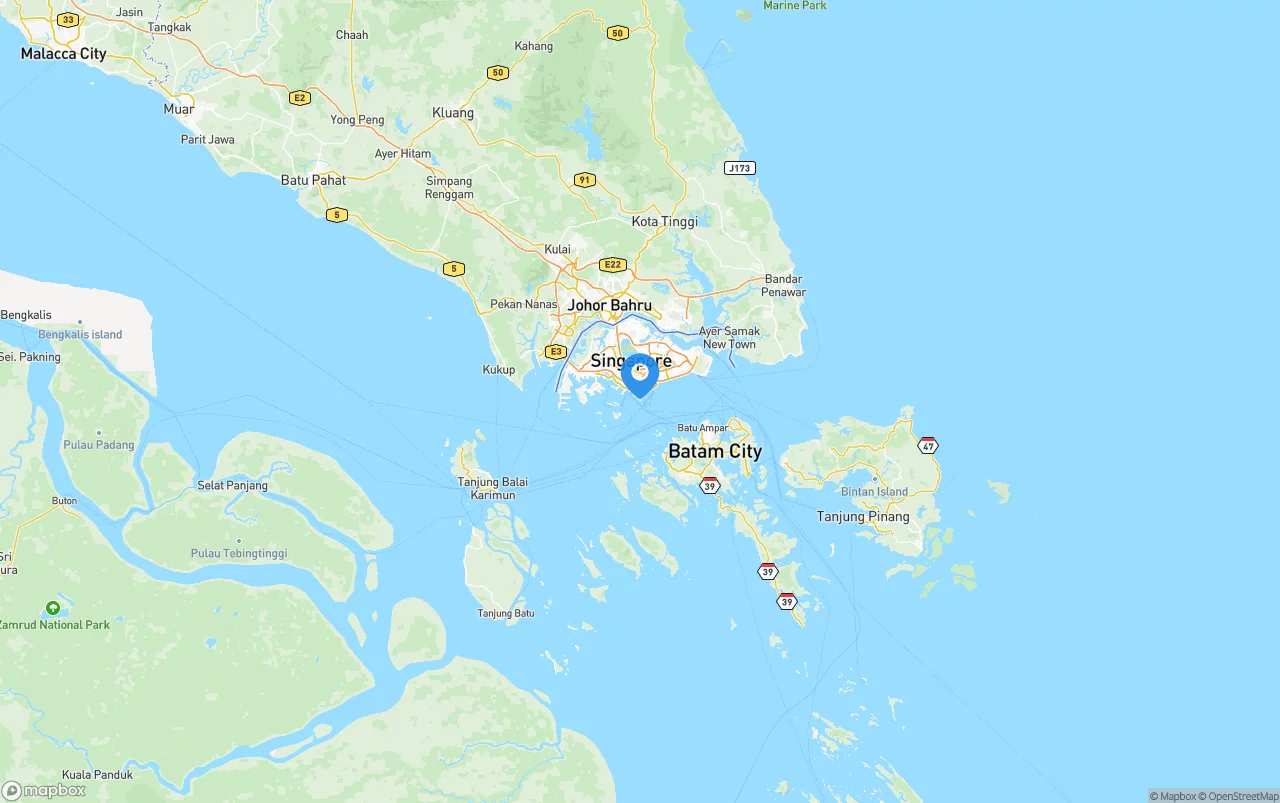 - Singapore Port: Singapore Port is the largest and busiest port in Singapore, handling a significant portion of the country's maritime trade. It is a major hub for container shipping, handling millions of TEUs annually. The port is equipped with state-of-the-art facilities and infrastructure to efficiently handle various types of cargo, including containers, bulk cargo, and liquid bulk. Singapore Port plays a crucial role in connecting Singapore to major global trade routes.
- Jurong Port: Jurong Port is another important port in Singapore, specializing in handling bulk and breakbulk cargo. It is strategically located in the southwestern part of Singapore, providing convenient access to industrial areas and transportation networks. Jurong Port is equipped with modern facilities and equipment to handle a wide range of cargo, including bulk commodities, project cargo, and general cargo. The port plays a vital role in supporting Singapore's industrial and economic activities.
- Keppel Terminal: Keppel Terminal is a key container terminal located within Singapore Port. It is operated by PSA International, one of the world's leading port operators. Keppel Terminal is equipped with advanced container handling equipment and technology to ensure efficient and reliable operations. The terminal serves as a major gateway for container shipping in the region, connecting Singapore to global trade networks.
- Tanjong Pagar Terminal: Tanjong Pagar Terminal is another container terminal within Singapore Port, managed by PSA Singapore Terminals. It is strategically located in the central part of Singapore, offering convenient access to major transportation routes. Tanjong Pagar Terminal is equipped with modern infrastructure and facilities to handle a large volume of containers efficiently. The terminal plays a crucial role in facilitating the flow of goods and cargo in and out of Singapore.
- Sembawang Wharves: Sembawang Wharves is a key port in Singapore, specializing in handling general and project cargo. It is located in the northern part of Singapore, providing easy access to industrial areas and transportation networks. Sembawang Wharves is equipped with versatile facilities and equipment to handle a wide range of cargo, including steel products, machinery, and equipment. The port serves as an important gateway for trade and logistics activities in the region.
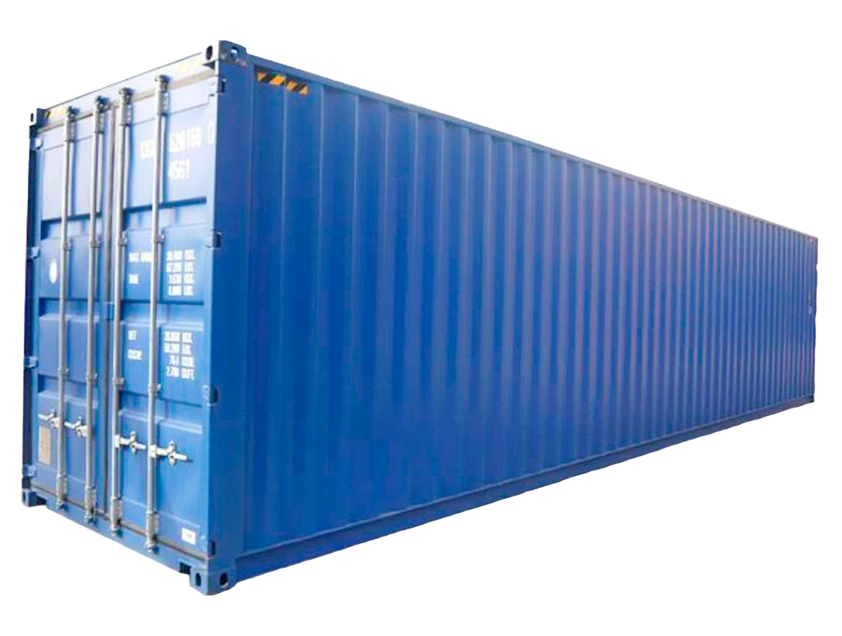
At FWFreight, we offer comprehensive international container shipping services tailored to meet your needs. To Singapore, we provide efficient and reliable shipping solutions to destinations worldwide. Here's a breakdown of our shipping options:
LCL (Less than Container Load):
For smaller shipments that don't fill an entire container, our LCL service is the perfect solution. We consolidate multiple shipments into one container, saving you time and money. With regular departures to Singapore, your cargo will reach its destination securely and on schedule.
FCL (Full Container Load):
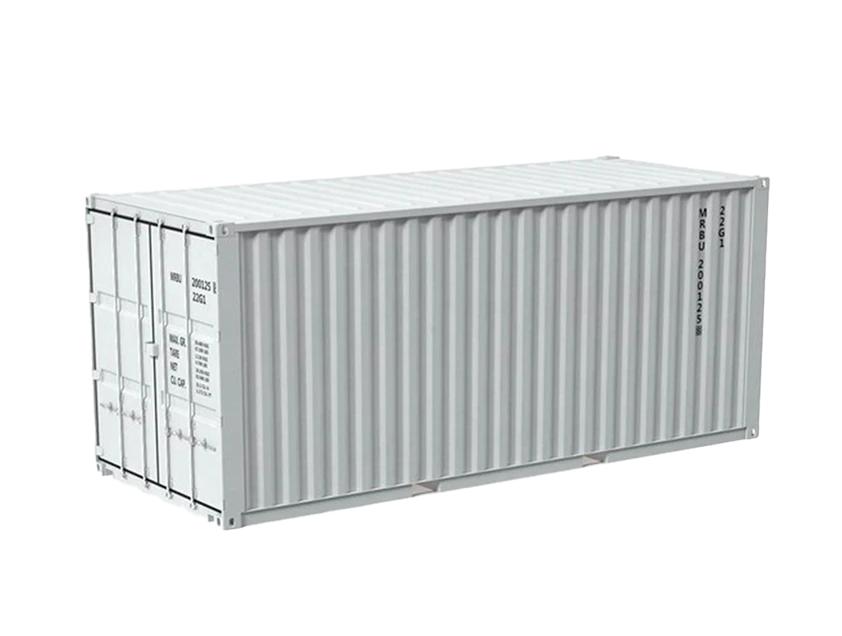
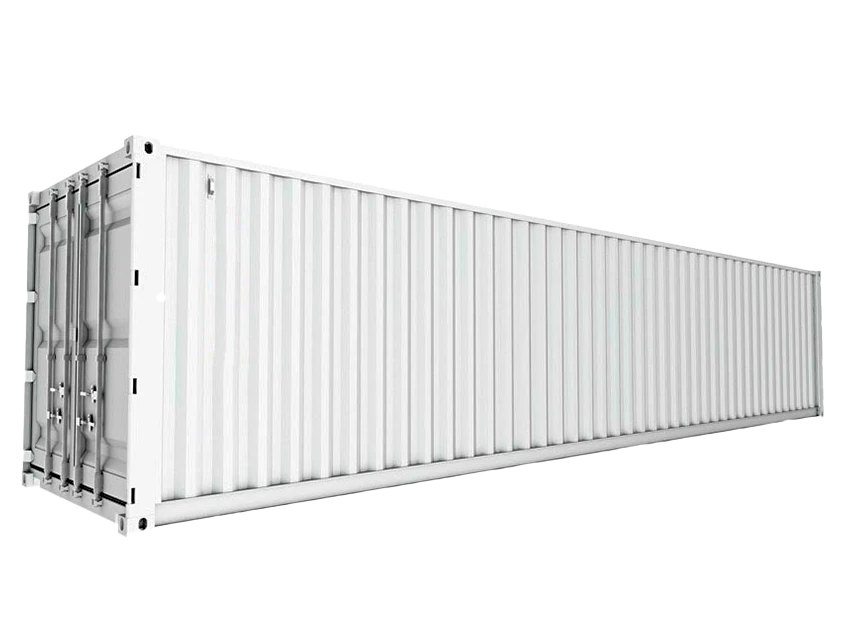
If you have enough cargo to fill a whole container, our FCL service offers exclusive use of a container. This ensures your goods remain secure and minimizes the risk of damage during transit. Choose to 20 FT, 40 FT, or 40 HC containers, depending on the volume and nature of your cargo.
Air Freight:
When time is of the essence, our air freight service provides swift delivery for urgent shipments. With extensive networks and partnerships, we guarantee efficient handling and timely delivery of your cargo to Singapore to destinations across the globe.
Looking for a freight forwarder in Singapore? There is a list of the best freight forwarders, cargo agents, air, sea, land, river, railroad transport companies, logistics, brokers cargo services in Singapore. Elevate your business's supply chain effectiveness by selecting the ideal freight forwarding partner.
Maximize your logistics efficiency by partnering with Singapore's premier freight forwarders, uniquely tailored to meet your specific cargo needs. Unlike the one-size-fits-all approach, these expert forwarders invest time to deeply understand your unique shipping requirements. Through a personalized and meticulous approach, they guarantee seamless shipment execution across borders, ensuring timely arrivals at every destination.
Below is a table with shipping rates to Singapore for various types of containers from other countries. You can use these Singapore Quick Quotes as a guideline. To get an Instant Shipping Rate to Singapore for the necessary date, you can send a request.
Shipping to Singapore involves a precise understanding of import regulations, paperwork, and specialized duties. With our company, FWFreight, we can guide you seamlessly through this process. It's essential to know that Singapore has relatively low tariff rates, with many goods entering the country duty-free. However, it's crucial to note that there are excise taxes on goods like liquors, tobacco, and petroleum products. The cost of import to Singapore would also include the Goods and Services Tax (GST) of 7%, which is based on the CIF (Cost, Insurance, and Freight) value.
When planning container transportation to Singapore, factors like the size of the container, the nature of goods, and the shipping rates to Singapore play a significant role in calculating the overall cost. Our company offers competitive rates and top-notch service to ensure your goods are shipped safely and efficiently. This form of shipping is especially beneficial for bulk goods and is considered a cost-effective and secure option.
Air transportation to Singapore, on the other hand, may be a preferred choice for time-sensitive shipments. While the costs can be higher compared to sea freight, the speed of delivery and handling of delicate items make it a viable option. Our shipping company has a strong network with several airline carriers, which enables us to offer the best rates and services. We ensure to comply with all the air transportation regulations to prevent any unnecessary delays or issues.