At FWFreight, we understand that 'Freight Shipping to South Korea' is a mission-critical operation for your business. Our core services are deliberately designed to handle the complexities of international shipping to South Korea from other countries. With a robust network of logistics professionals, we guarantee smooth transportation of your goods, ensuring they arrive in perfect condition and on schedule. Whether your consignments necessitate sea, air, or rail shipping, our broad spectrum of services, encompassing full-container load (FCL), less-than-container load (LCL), or customized freight solutions, cater to all your requirements. Rest assured, with FWFreight, you have chosen the right partner for all your shipping and forwarding needs.
From an overall service perspective, our company functions beyond the moniker of a shipping company. We strive to provide the best service in the world, treating every customer as our most important client. With us, you are not an order number; you are a valued business partner. Our comprehensive range of logistics services includes air and sea freight, rail, truck, and forwarding services, tailor-made to meet the unique needs of a diverse clientele, from local exporters to global importers. Our commitment to cost-effectiveness, efficiency, and punctuality sets us as a frontrunner in the logistics industry. The goal is simple - to make your shipping experience hassle-free, making us the preferred choice for those seeking premium freight solutions.
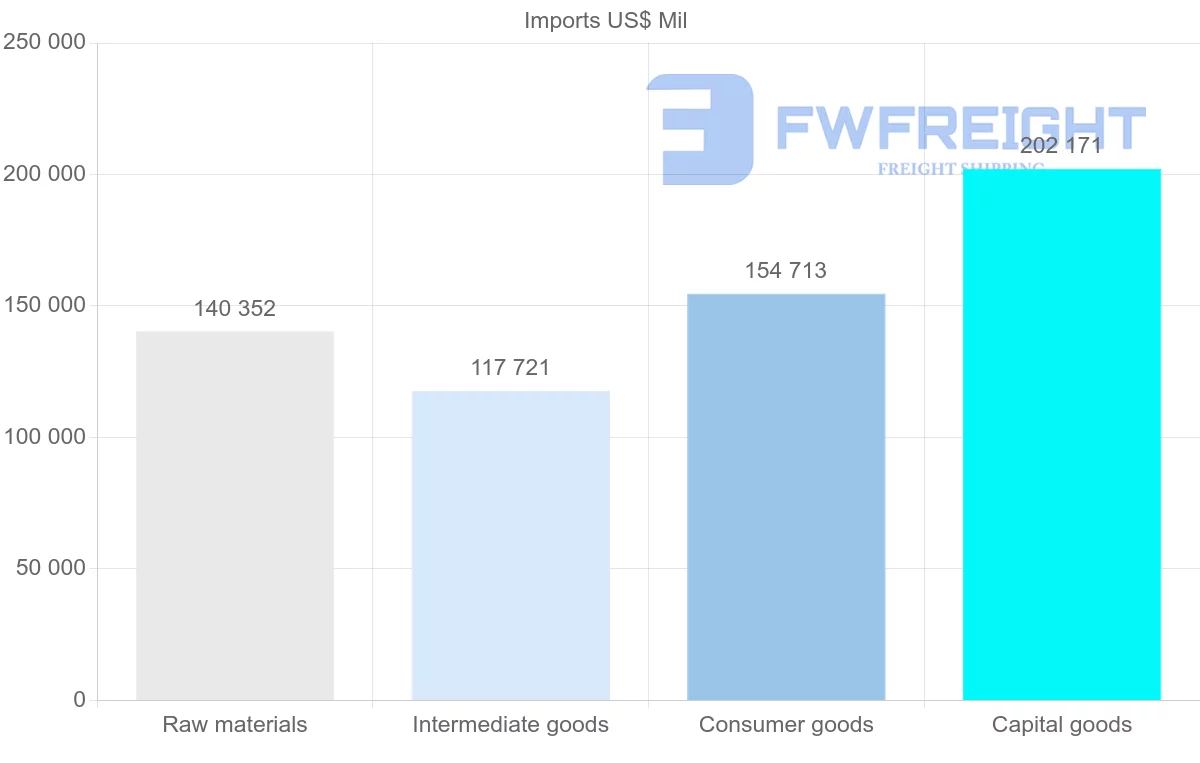 The graph illustrates the import distribution across various product categories in South Korea, showcasing the country's Top 5 Import Goods. To start with, Raw materials command a significant portion of South Korea's imports, accounting for approximately 22.82% of the total import volume with a value of US$ 140,352 million. Raw materials typically refer to unprocessed goods that are used to manufacture finished goods or products, encompassing such items as metals, wood, and oil. Coming next are Intermediate goods, with a share of 19.14% or US$ 117,721 million. These are semi-processed goods that require further processing before they can be classified as finished goods, incorporating items like components, parts, and materials that are used to produce final products.
Further, Consumer goods registered the third-highest import value at US$ 154,713 million, which represents 25.15% of South Korea's total import volume. These goods are products directly used by consumers for their consumption and enjoyment, including amenities like food, clothing, and electronics. However, the highest import category is Capital goods, which comprises about 32.87% of total imports or US$ 202,171 million. Capital goods are substantial physical goods used by businesses to produce goods or services, including machinery, tools, buildings, and vehicles. These figures give an insight into South Korea's import preferences, with the country notably inclining towards imports that facilitate production and industrial processes – reflected in the high import figures for Raw materials, Intermediate goods, and Capital goods.
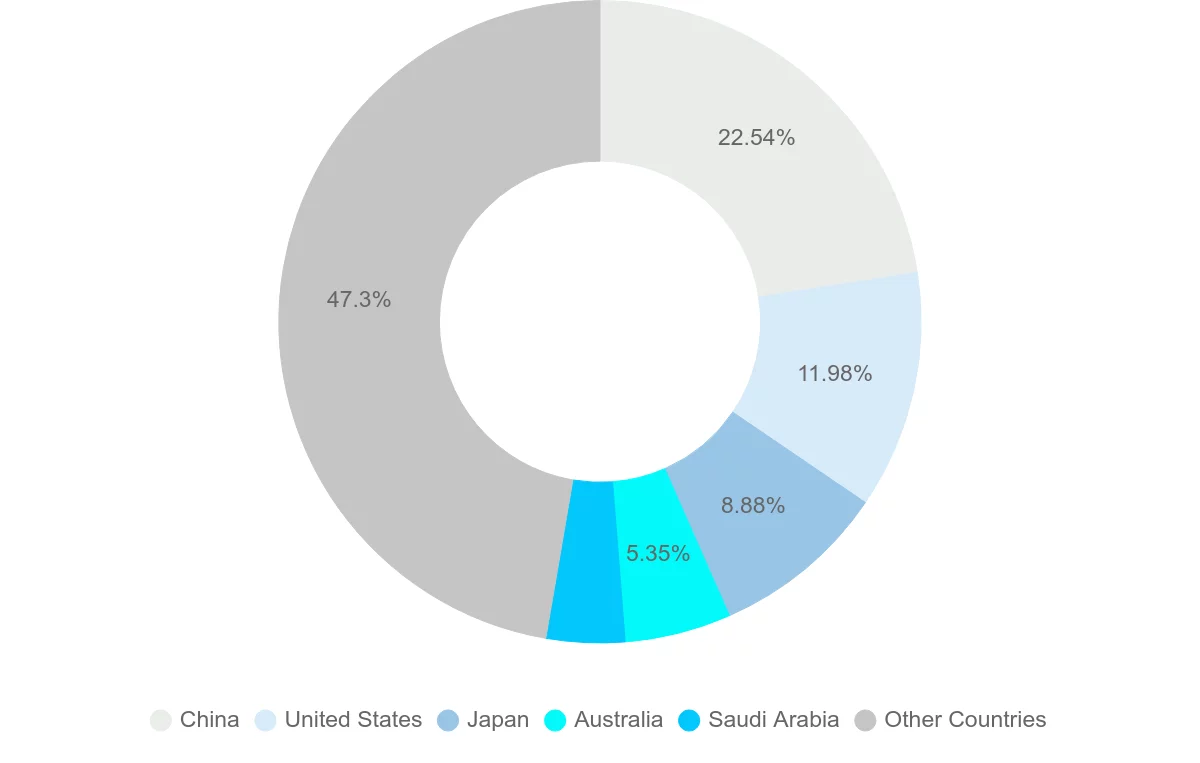 China tops the list of South Korea's Top 5 Import Partners, with trade volume amounting to $138,627 million, which makes up of 22.54% of South Korea's total imports. South Korea primarily imports electrical machinery and equipment from China. The United States comes second with a trade volume worth $73,659 million, accounting for 11.98% of the total imports. South Korea majorly imports mineral fuels, mineral oils and products of their distillation from the United States.
Japan follows closely, being the third major import partner for South Korea. Japanese imports make up 8.88% of South Korea's total import stock, with a trade volume valued at $54,641 million. South Korea's import from Japan is heavily orientated toward machinery, nuclear reactors, and boilers. Australia is the fourth on the list, with trade volume standing at $32,916 million, making up 5.35% of South Korea's total imports. South Korea imports mainly mineral fuels, mineral oils and products of their distillation from Australia. Lastly, Saudi Arabia, with a trade volume of $24,271 million, holds 3.95% of South Korea's total imports. South Korea's primary import from Saudi Arabia consists of mineral fuels, mineral oils and products of their distillation.
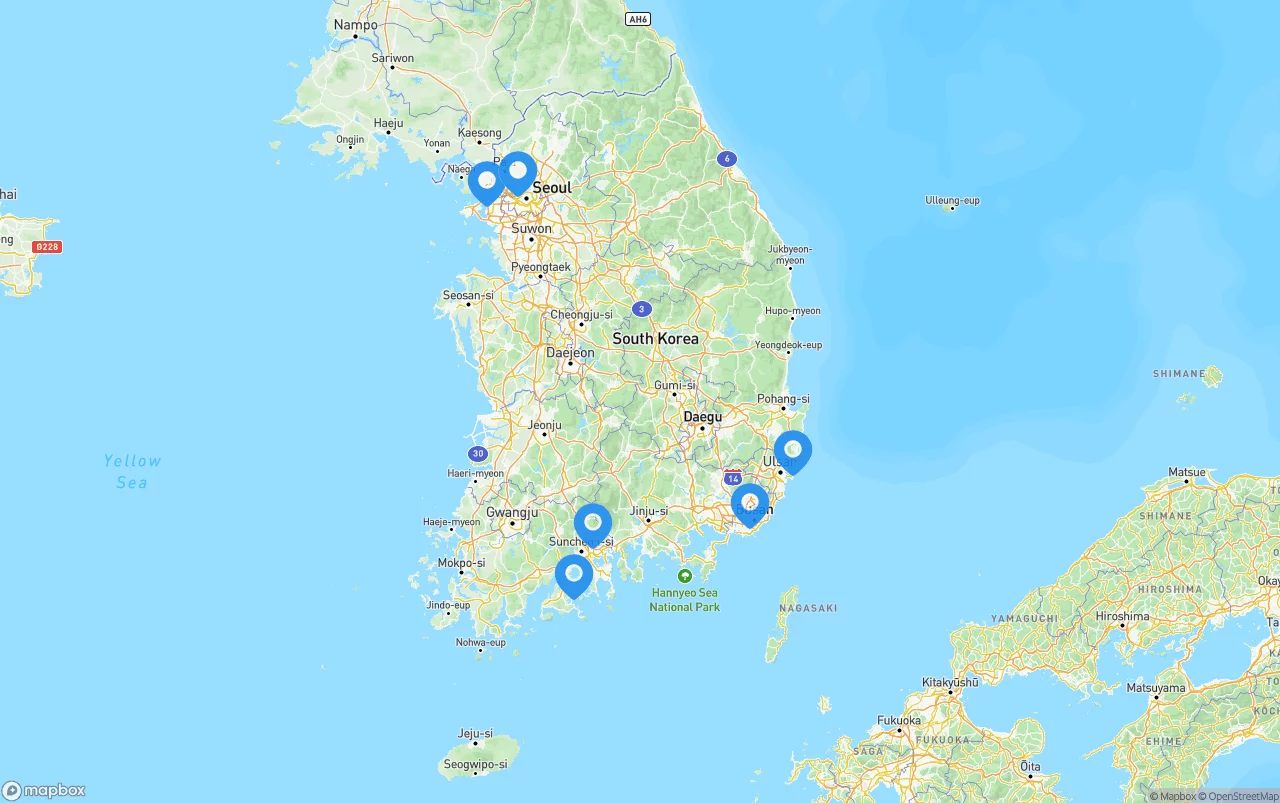 - Gwangyang Port: Gwangyang Port is located on the southern coast of South Korea and is the third largest port in the country. It is known for its advanced facilities and efficient operations, making it a key hub for international trade. The port handles a variety of cargo including containers, bulk cargo, and oil products. Gwangyang Port is also a major transshipment hub in Northeast Asia.
- Incheon Port: Incheon Port is the largest port in South Korea and is located in the city of Incheon, west of Seoul. It is a major gateway for trade with China and handles a wide range of cargo including containers, bulk cargo, and passenger ferries. Incheon Port is known for its state-of-the-art facilities and efficient operations, making it a key player in the global shipping industry.
- Kwangyang Port: Kwangyang Port is located in the city of Gwangyang on the southern coast of South Korea. It is the largest port in the country in terms of cargo handled and is a key hub for international trade. Kwangyang Port has modern facilities and infrastructure to handle a variety of cargo including containers, bulk cargo, and oil products. The port plays a critical role in South Korea's economy and is a major player in the global shipping industry.
- Pusan Port: Pusan Port, also known as Busan Port, is the largest port in South Korea in terms of container traffic. It is located in the city of Busan on the southeastern coast of the country. Pusan Port is a major hub for international trade and handles a wide range of cargo including containers, bulk cargo, and oil products. The port has modern facilities and efficient operations, making it a key player in the global shipping industry.
- Ulsan Port: Ulsan Port is located in the city of Ulsan on the southeastern coast of South Korea. It is a major port for the country's industrial sector, handling a variety of cargo including oil products, chemicals, and bulk cargo. Ulsan Port is known for its specialized facilities for handling industrial cargo and plays a crucial role in supporting South Korea's export-oriented economy.
Additional ports:
- Seoul Port: Seoul Port is located on the Han River in the capital city of Seoul. It primarily handles passenger ferries and cruise ships, serving as a gateway for travel to nearby countries such as China and Japan. Seoul Port also handles some cargo traffic, particularly for goods bound for the inland areas of South Korea.
Please note that the information provided is a brief overview and does not cover all aspects of each port's operations
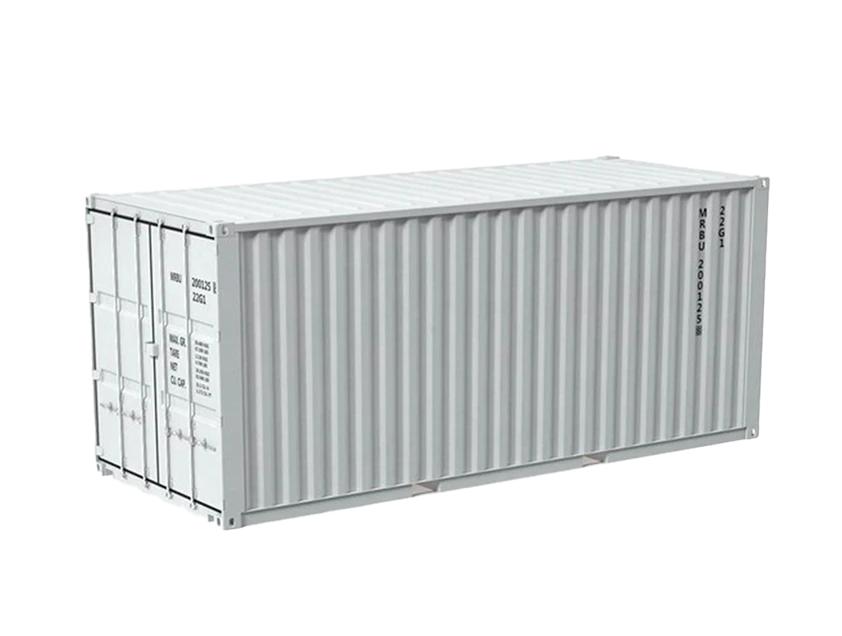
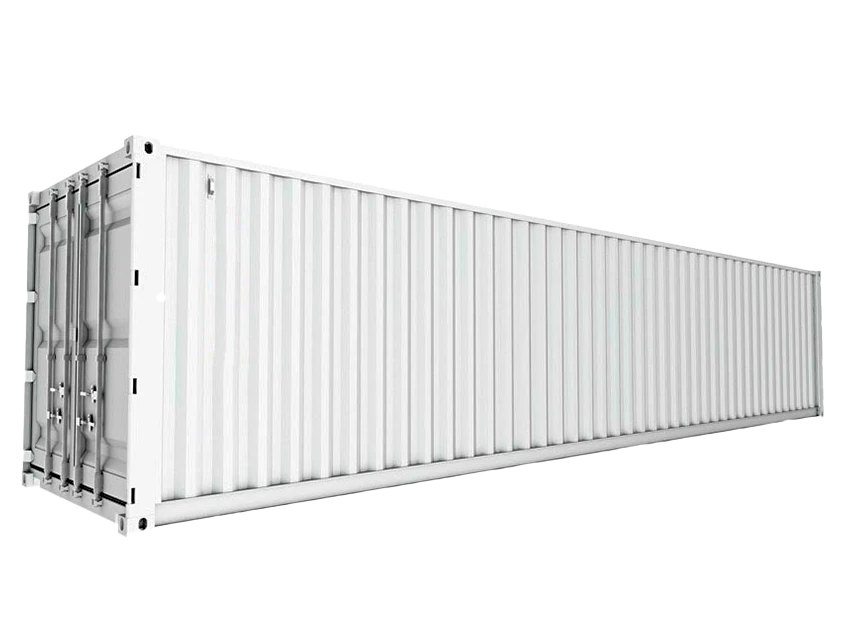
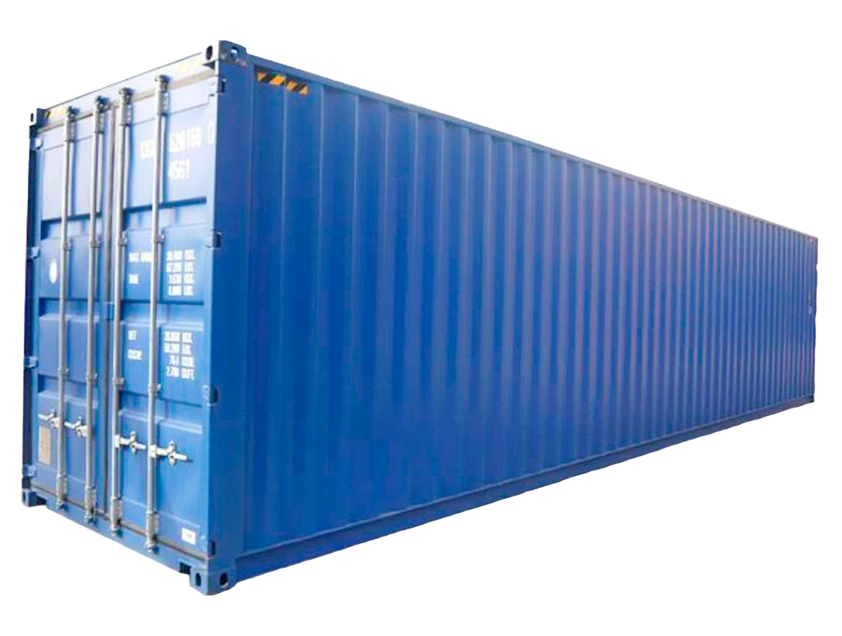
At FWFreight, we offer comprehensive international container shipping services tailored to meet your needs. To South Korea, we provide efficient and reliable shipping solutions to destinations worldwide. Here's a breakdown of our shipping options:
LCL (Less than Container Load):
For smaller shipments that don't fill an entire container, our LCL service is the perfect solution. We consolidate multiple shipments into one container, saving you time and money. With regular departures to South Korea, your cargo will reach its destination securely and on schedule.
FCL (Full Container Load):
If you have enough cargo to fill a whole container, our FCL service offers exclusive use of a container. This ensures your goods remain secure and minimizes the risk of damage during transit. Choose to 20 FT, 40 FT, or 40 HC containers, depending on the volume and nature of your cargo.
Air Freight:
When time is of the essence, our air freight service provides swift delivery for urgent shipments. With extensive networks and partnerships, we guarantee efficient handling and timely delivery of your cargo to South Korea to destinations across the globe.
Looking for a freight forwarder in South Korea? There is a list of the best freight forwarders, cargo agents, air, sea, land, river, railroad transport companies, logistics, brokers cargo services in South Korea. Elevate your business's supply chain effectiveness by selecting the ideal freight forwarding partner.
Maximize your logistics efficiency by partnering with South Korea's premier freight forwarders, uniquely tailored to meet your specific cargo needs. Unlike the one-size-fits-all approach, these expert forwarders invest time to deeply understand your unique shipping requirements. Through a personalized and meticulous approach, they guarantee seamless shipment execution across borders, ensuring timely arrivals at every destination.
Below is a table with shipping rates to South Korea for various types of containers from other countries. You can use these South Korea Quick Quotes as a guideline. To get an Instant Shipping Rate to South Korea for the necessary date, you can send a request.
Our company, FWFreight, provides comprehensive services for planning shipments to South Korea from other countries. When importing to South Korea, attention should be given to specialized duties such as customs, taxes, and regulatory compliance. Knowing how these duties apply to your specific goods will greatly influence the overall shipping costs, thereby, it is significant to calculate them correctly and include them in your 'Shipping Rates to South Korea'.
Container transportation is one of the most commonly used types of transportation to South Korea and is especially beneficial for bulky or large-volume shipments. Our shipping company ensures a thorough understanding of the logistics involved such as safe packaging and labeling as per South Korean import regulations. Moreover, the cost of container shipping is based on the volume and weight of your goods, so be sure to accurately measure these attributes to avoid unexpected costs.
When it comes to air transportation to South Korea, speed is the prime advantage. However, it is typically more expensive than container shipping. We specialize in navigating the complexities of air freight, including managing the Air Waybill (AWB) and adhering to International Air Transport Association (IATA) regulations. Keep in mind, air freight charges are primarily based on the weight and size of your shipment, but it's more sensitive to the weight rather than the size. Therefore, considering the product's weight is essential when estimating costs for air shipping.