At FWFreight, we specialize in the complex realm of freight shipping to Belgium, offering a comprehensive suite of services that ensures your goods arrive on time and in pristine condition. Our core services are designed to placate your shipping concerns, whether they lie in sea, air, rail, truck, or forwarding services. We cater to anyone and everyone, from domestic exporters seeking to extend their market reach, to global importers sourcing from international markets. FWFreight's expertise lies in adapting to the unique needs of each client, providing meticulously tailored logistics solutions, and successfully orchestrating international shipping to Belgium from other countries.
From a service perspective, our approach is centered around ensuring every customer is treated to the best service this industry can offer. As a globally recognized freight forwarder, we are well-equipped to handle your shipping needs to Belgium, regardless of the scale or complexity of your operations. Our reputation is built on the principles of transparency, reliability, and affordability. For every customer, our holistic framework of logistics services is designed to provide seamless, efficient, and cost-effective solutions, putting us at the forefront of the shipping and forwarding industry. Trust us at FWFreight to provide door-to-door delivery, whilst ensuring optimum safety and security of your goods.
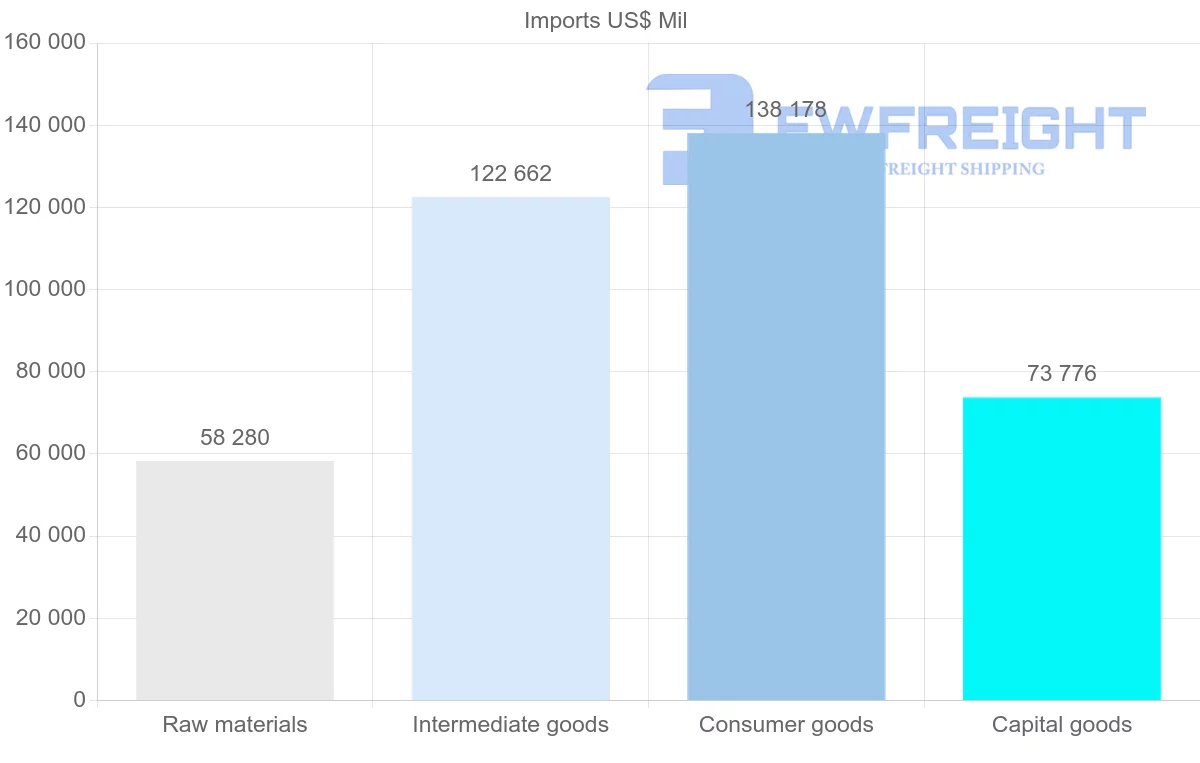 The graph displays the distribution of imports across various product categories of Belgium's top five import goods. The Raw Materials category accounts for 14.80% of all imports, totaling $58,280 million USD. The goods under this category are mainly natural resources obtained from the environment and are used to manufacture other goods, for example, wood, oil, and minerals. The category of Intermediate goods, which includes parts and components that are used to produce other goods, for example, car parts or electronic components, contributes the second-largest share at 31.16%, with an import value of $122,662 million USD.
The category with the largest share is Consumer goods, coming in at 35.10% of Belgium's total imports. This category encompasses non-durable goods or services that are directly consumed or used, such as food, clothing, and personal care products, totalling $138,178 million USD in value. Capital goods, goods used by industries to produce other goods, for example, machinery, equipment, or tools, make up the smallest share at 18.74%, with total imports worth $73,776 million USD. The graph thus gives a clear overview of how these different categories, each important in its own right, contribute to Belgium's total volume of imports. This distribution reflects the economic activity and production behavior of the country.
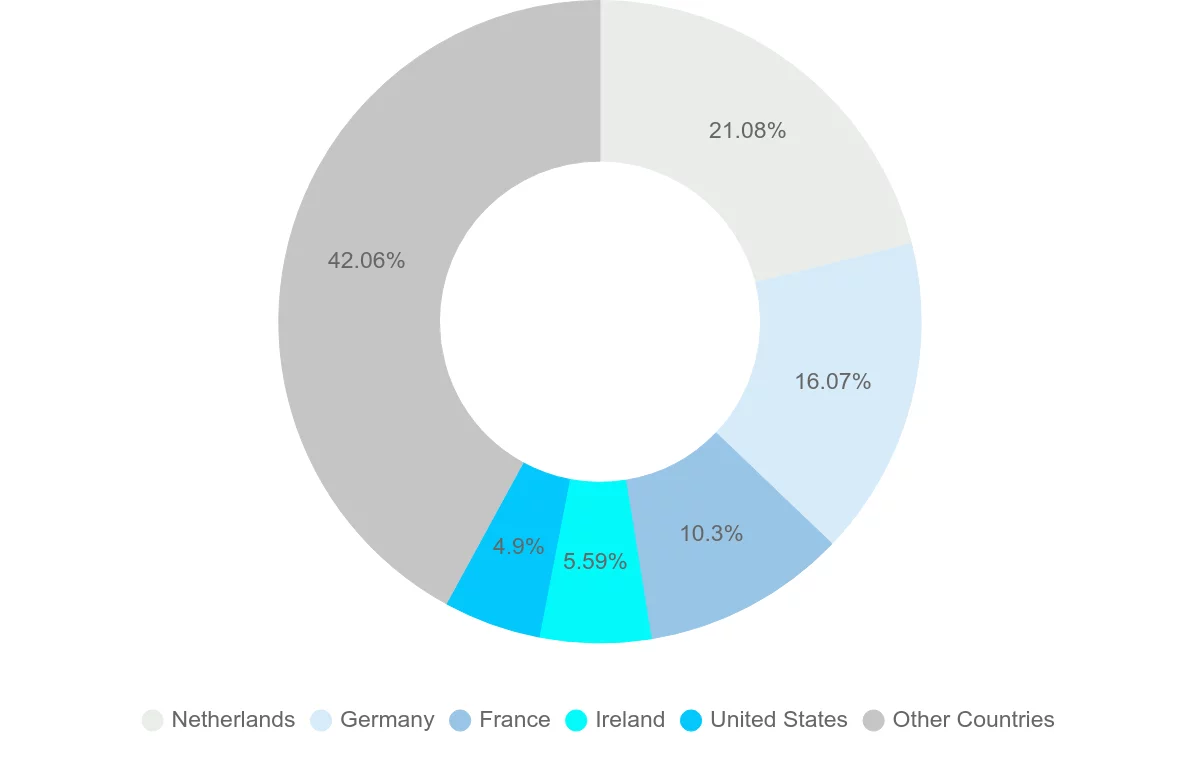 The Netherlands leads the pack as Belgium's top import partner, boasting a substantial trade volume of $83,001 million, equivalent to a 21.08% share of Belgium's import market. The primary categories of goods Belgium imports from the Netherlands include machinery and transport equipment, chemicals, minerals, food, and live animals. This wide diversity of imports reveals the robust and interconnected economies between these two neighboring nations.
Germany follows closely as the second most significant trade partner, with a trade volume standing at $63,246 million, which represents a share of 16.07%. The main imports from Germany to Belgium are cars, machinery, chemical products, and metals. France is the third major import partner to Belgium with a trade volume of $40,561 million, translating to a 10.3% share. Belgium's main imports from France are machinery and equipment, chemicals, metals, and agricultural products.
Ranking fourth among Belgium's Top 5 Import Partners is Ireland, with a trade volume of $21,998 million and a 5.59% share of the market. Belgium primarily imports pharmaceutical products, organic chemicals, and machinery from Ireland. Lastly, the United States holds the fifth position, with a trade volume of $19,271 million, holding a share of 4.90%. The main imported goods from the United States include machinery, vehicles, oil, and pharmaceutical products. Notably, despite the diverse range of products, Belgium's predominant imports are machinery and chemicals from its top five import partners, reflecting its highly industrialized economy.
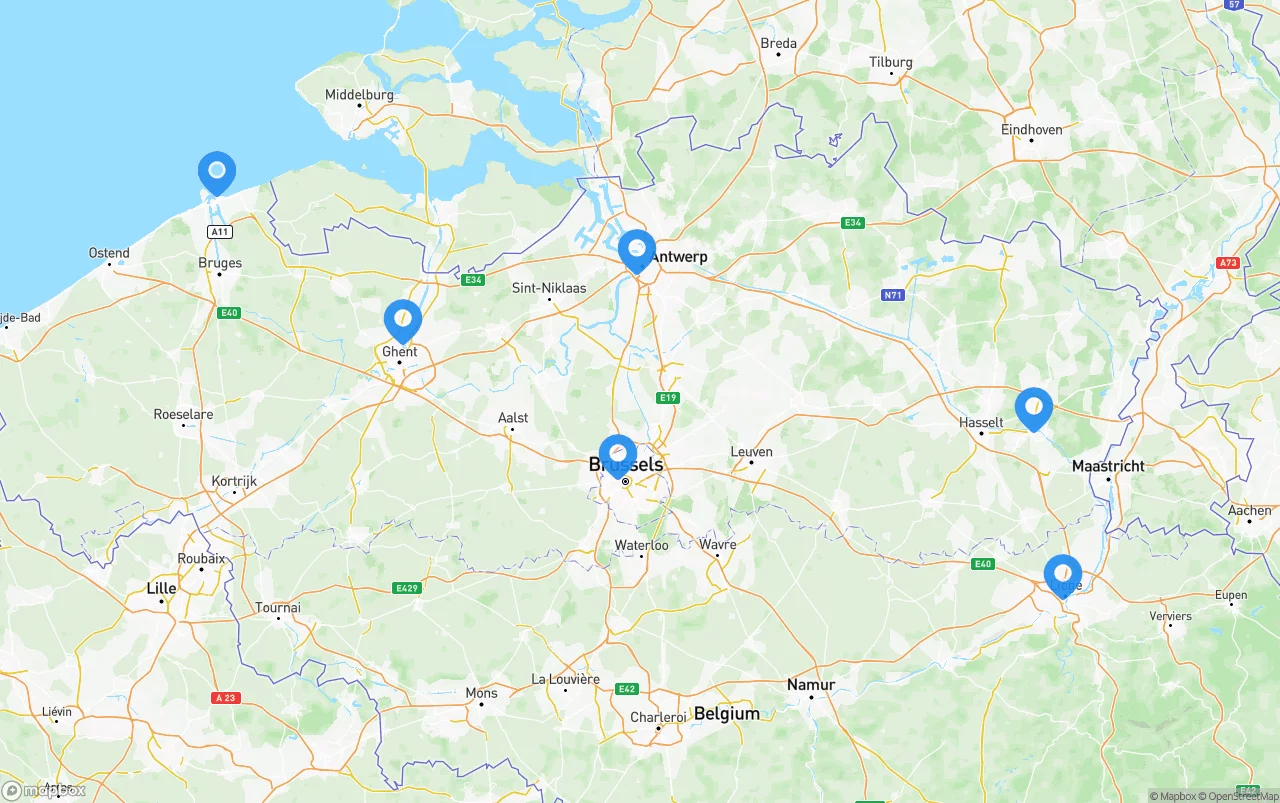 Antwerpen Port: Antwerpen Port is the largest port in Belgium and one of the largest in Europe. It is strategically located on the Scheldt River, offering access to major European markets. The port handles a wide range of cargo, including containers, liquid bulk, dry bulk, and breakbulk. It is known for its efficient infrastructure and excellent connectivity to the hinterland.
Brussels Port: Brussels Port is a smaller port located on the Brussels-Charleroi Canal. It primarily handles inland shipping and is important for the transportation of goods within Belgium. The port plays a key role in the region's logistics network, facilitating the movement of goods to and from the capital city.
Genk Port: Genk Port is a specialized inland port that focuses on the handling of bulk cargo, particularly coal, minerals, and agricultural products. It is connected to the Albert Canal, providing access to the Port of Antwerp and the wider European waterway network. Genk Port plays a vital role in supporting the industrial activities in the region.
Ghent Port: Ghent Port is a major seaport located on the Ghent-Terneuzen Canal. It is one of the largest ports in Belgium in terms of total cargo throughput. The port handles a diverse range of goods, including containers, bulk cargo, and project cargo. Ghent Port is known for its efficient multimodal connections, linking it to major European markets.
Liege Port: Liege Port is an inland port situated on the Meuse River. It is the largest public port in Belgium and serves as an important logistics hub for the region. The port specializes in container handling, steel products, and chemicals. Liege Port benefits from its central location in Europe and its multimodal transport connections.
Other ports in Belgium include Zeebrugge Port, which is a key commercial and container port on the North Sea coast. It specializes in ro-ro traffic, containers, and bulk cargo, serving as a gateway to the UK and Scandinavia.
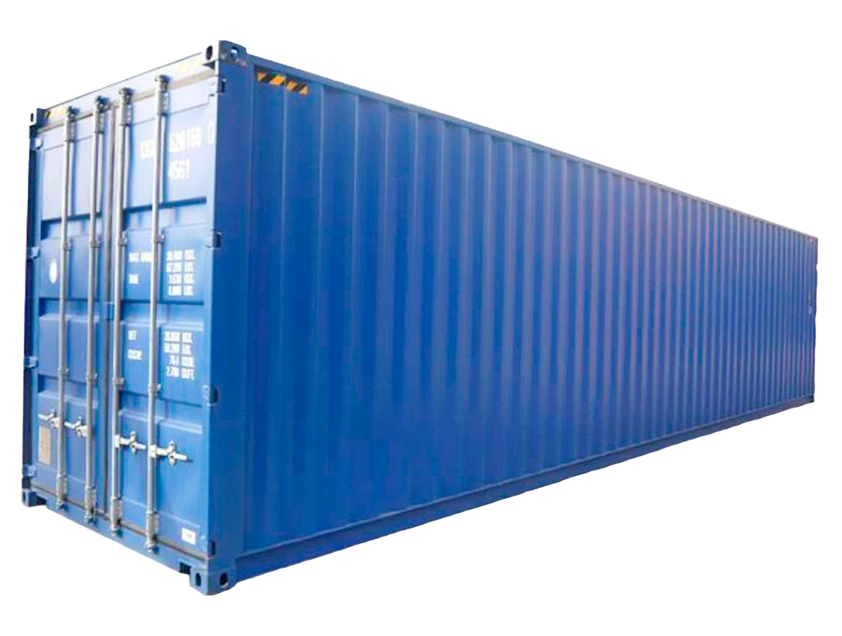
At FWFreight, we offer comprehensive international container shipping services tailored to meet your needs. To Belgium, we provide efficient and reliable shipping solutions to destinations worldwide. Here's a breakdown of our shipping options:
LCL (Less than Container Load):
For smaller shipments that don't fill an entire container, our LCL service is the perfect solution. We consolidate multiple shipments into one container, saving you time and money. With regular departures to Belgium, your cargo will reach its destination securely and on schedule.
FCL (Full Container Load):
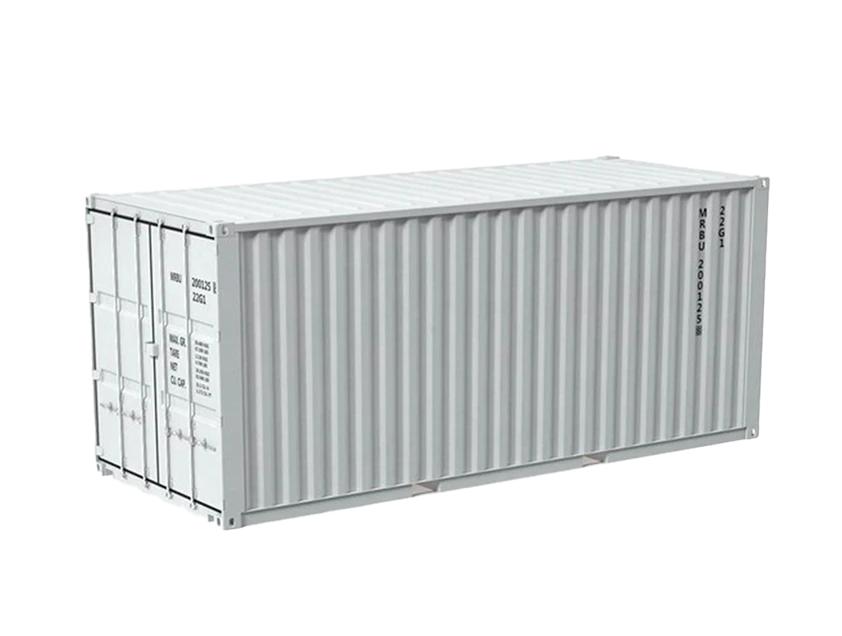
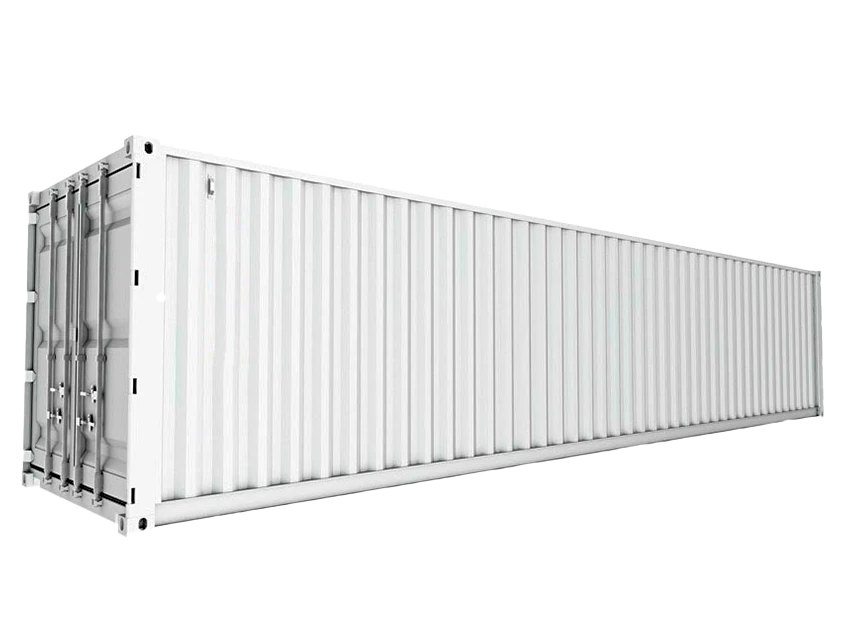
If you have enough cargo to fill a whole container, our FCL service offers exclusive use of a container. This ensures your goods remain secure and minimizes the risk of damage during transit. Choose to 20 FT, 40 FT, or 40 HC containers, depending on the volume and nature of your cargo.
Air Freight:
When time is of the essence, our air freight service provides swift delivery for urgent shipments. With extensive networks and partnerships, we guarantee efficient handling and timely delivery of your cargo to Belgium to destinations across the globe.
Looking for a freight forwarder in Belgium? There is a list of the best freight forwarders, cargo agents, air, sea, land, river, railroad transport companies, logistics, brokers cargo services in Belgium. Elevate your business's supply chain effectiveness by selecting the ideal freight forwarding partner.
Maximize your logistics efficiency by partnering with Belgium's premier freight forwarders, uniquely tailored to meet your specific cargo needs. Unlike the one-size-fits-all approach, these expert forwarders invest time to deeply understand your unique shipping requirements. Through a personalized and meticulous approach, they guarantee seamless shipment execution across borders, ensuring timely arrivals at every destination.
Below is a table with shipping rates to Belgium for various types of containers from other countries. You can use these Belgium Quick Quotes as a guideline. To get an Instant Shipping Rate to Belgium for the necessary date, you can send a request.
Belgium, as a member of the European Union, adheres to strict import regulations, which impact your Shipping Rates to Belgium. When planning shipments to Belgium, be aware of the basic import taxes applicable, which includes value-added tax (VAT) and customs duties based on the product's classification under the EU's Combined Nomenclature (CN) system. FWFreight, a trusted name in international shipping, can guide you through this intricate process to ensure you get the most cost-effective solutions.
Container transportation is one of the most common ways to ship goods to Belgium. This option is cost-effective and secure, particularly for larger consignments. However, the cost for this mode of transportation depends on various factors such as the container size, type of goods, and distance. Our company provides competitive rates and expert advice on the most suitable container size and type to ensure safe and efficient delivery of your goods.
Air transportation is another popular choice for shipping to Belgium, particularly for time-sensitive goods. This method is faster than sea freight but also more expensive. It's important to factor in the weight and volume of your shipment, as well as any additional charges for handling and customs clearance when calculating air freight costs. Our shipping company's deep understanding of air cargo transportation to Belgium ensures that we can provide the best prices and service, no matter what your specific needs might be.