When it comes to freight shipping to Cuba, there's simply no better choice than FWFreight. We are a premier shipping and forwarding company that specializes in international shipping to Cuba from other countries. Our core services encompass the full spectrum of logistics, managing the complexities of sea, air, rail, and truck shipments for our diverse clientele. Our robust experience and market understanding make us the trusted partner of both domestic exporters and global importers. We assure our clients of the superior quality, reliable, and cost-effective services, tailoring our solutions to perfectly suit their specific requirements. When you put your trust in FWFreight, you can be confident that you've come to the right place.
From a service perspective, our shipping company's objective is to provide the best service in the world for every customer. Our commitment to delivering top-notch customer service is unwavering, regardless of the shipment's size or destination. We pride ourselves on our ability to effortlessly handle the intricacies and challenges of international logistics, making sure your goods arrive safely and on time. With our unparalleled expertise in freight forwarding, we tailor our services not only to meet but to exceed the needs of our clients. Our team of seasoned professionals work diligently to provide impeccable service and the best pricing for all types of transportation, ensuring that we remain the go-to choice for individuals and businesses looking for seamless shipping solutions.
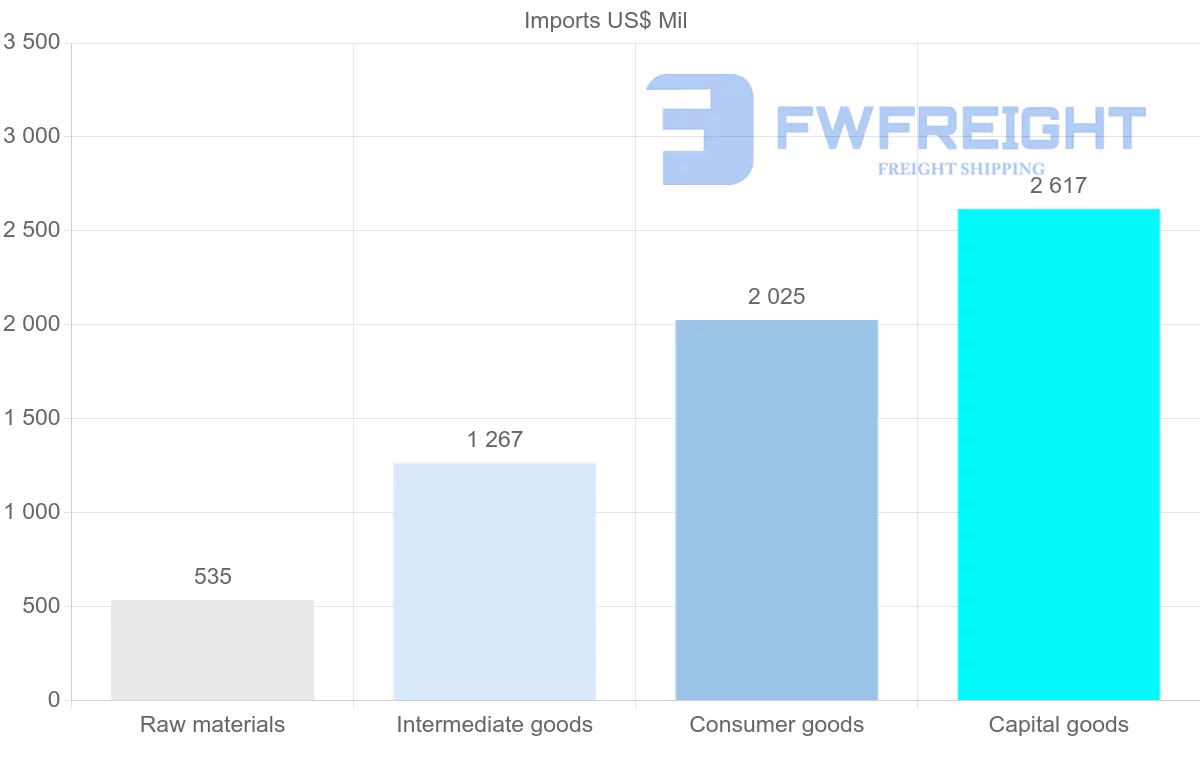 The graph details how Cuba’s import goods are distributed among four major product categories: Raw Materials, Intermediate Goods, Consumer Goods, and Capital Goods, each corresponding to a specific import value and share percentage. Raw materials, valued at US$535 Million, comprise 5.26% of the total import volume. This category usually includes unprocessed materials that are essential for the production process such as minerals, cotton, oil, wood, and metals. Right above this, at 12.45% of the total import share or US$1267 Million, are Intermediate goods. These are semi-manufactured goods used in the production of other goods. Examples include components, parts, and materials that have been partially worked but are not yet finished products.
The graph further reveals that Consumer goods and Capital goods constitute the bulk of Cuba's imports. With a 19.91% share, equivalent to US$2025 Million, Consumer goods stand as the third most imported product category in Cuba. These encompass goods purchased for consumption by the average consumer, such as food, clothing, or electronics. Topping the list is the importation of Capital goods, representing 25.72% of Cuba's total imports, and valued at US$2617 Million. Capital goods, which are significant for the country's economic development and growth, involve assets that a business uses to produce consumer goods and services such as machinery, buildings, and computers. From this, it's clear that a significant portion of Cuba's import expenditure goes toward enhancing its production capabilities and meeting the consumption demands of its citizens.
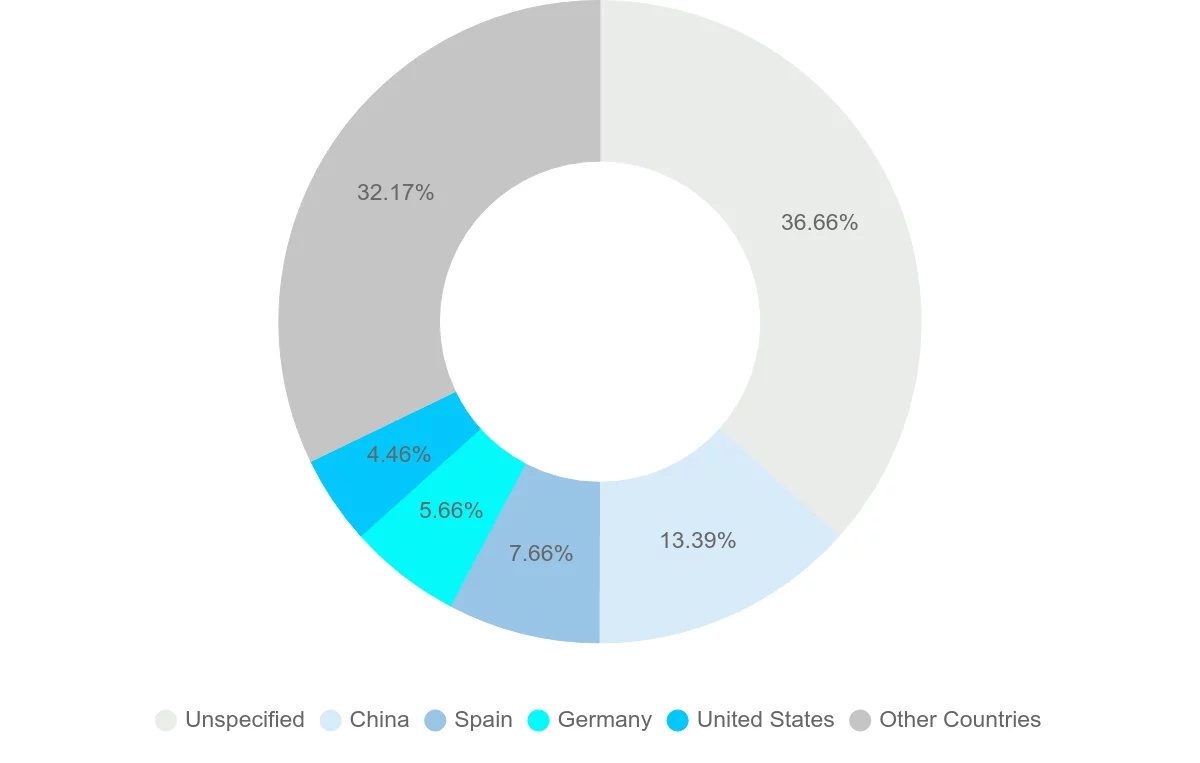 China is the largest import partner for Cuba, with a trade volume of 1362 million US dollars, accounting for 13.39% of Cuba's total imports. The primary categories of goods imported from China include electronics, machinery, and clothing. These goods play a significant role in boosting Cuba's economy and technological progress, providing a broad range of essential items to the Cuban market.
Spain is the second-largest import partner for Cuba, having a trade volume of 780 million US dollars and contributing to 7.66% of Cuba's total imports. The major import items from Spain consist of automobiles, pharmaceuticals, and food products, which significantly support Cuba's transport, health and food sectors. The third-largest import partner is Germany with a trade volume of 575 million US dollars, which represents 5.66% of Cuba's total imports. Machinery, automobiles and chemical products form the bulk of imports from Germany, which substantially enhances the manufacturing and transport sectors in Cuba.
Lastly, the United States, one of 'Cuba's Top 5 Import Partners', has a trade volume of 453 million US dollars, covering 4.46% of Cuba's total imports. Notably, the imports from the United States mainly include food, machinery, and medical instruments. These goods are critical in meeting the daily needs of the Cuban population, complementing their industrial activities, and improving their healthcare sector, respectively. These four countries collectively play a pivotal role in supporting and shaping the economic landscape of Cuba through their robust trade relations.
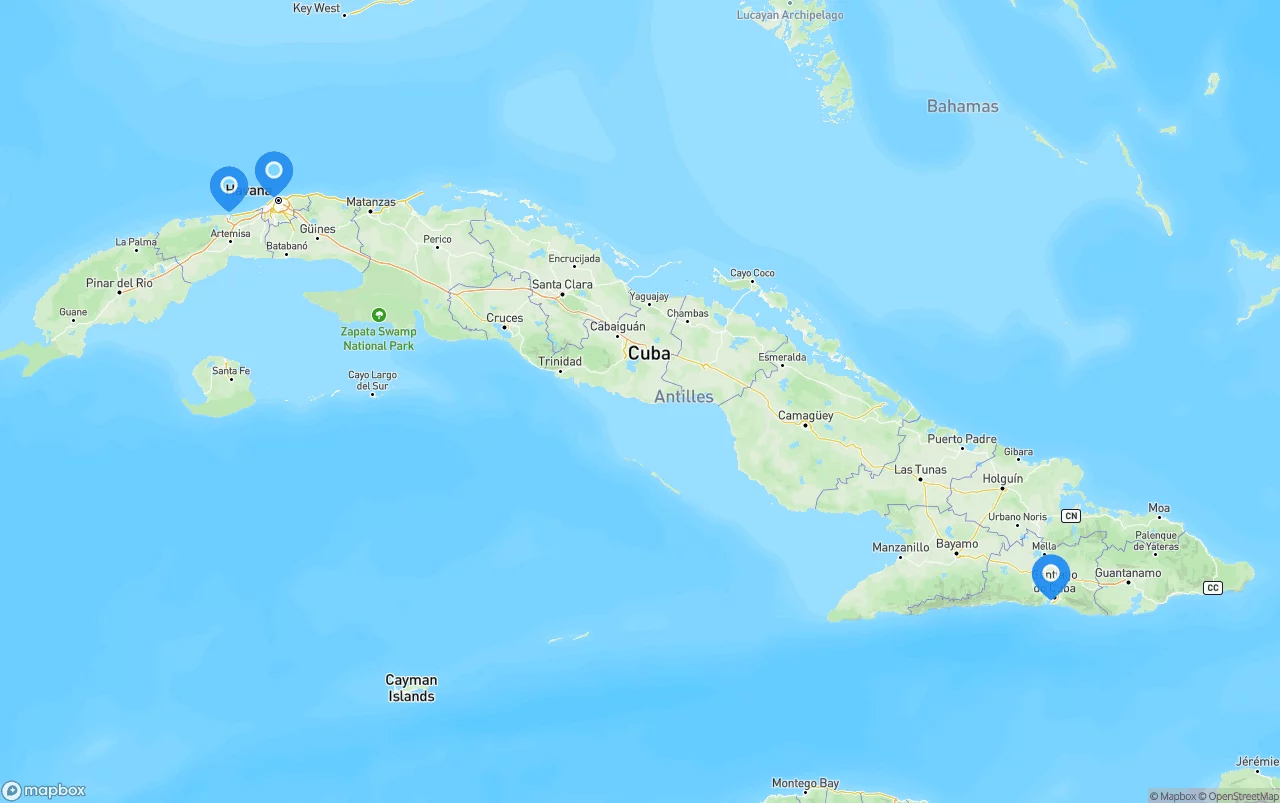 Havana Port: Havana Port is the largest and busiest port in Cuba, located in the capital city of Havana. It handles the majority of the country's import and export activities, especially in the areas of food, fuel, and consumer goods. The port has modern facilities and equipment to accommodate container ships and bulk carriers.
Mariel Port: Mariel Port is a deep-water port located west of Havana. It was recently expanded and modernized to become a major hub for container shipping in the region. The port has a special development zone, attracting foreign investment and boosting Cuba's trade capabilities.
Santiago Port: Santiago Port is situated on the eastern side of the island, serving as a key gateway for exports such as sugar, coffee, and minerals. The port has undergone improvements in recent years to increase its capacity and efficiency, contributing to the economic development of the region.
Antilla Port: Antilla Port is located in the province of Holguin, serving as an important port for the export of nickel, one of Cuba's top mineral resources. The port has facilities to handle bulk cargo and has strategic significance for the country's mining industry.
Bahia Honda Port: Bahia Honda Port is located in the province of Artemisa, handling a variety of goods such as agricultural products, construction materials, and machinery. The port plays a crucial role in the transportation of goods to and from western Cuba.
Other ports in Cuba: Cienfuegos Port, Matanzas Port, Nuevitas Port.
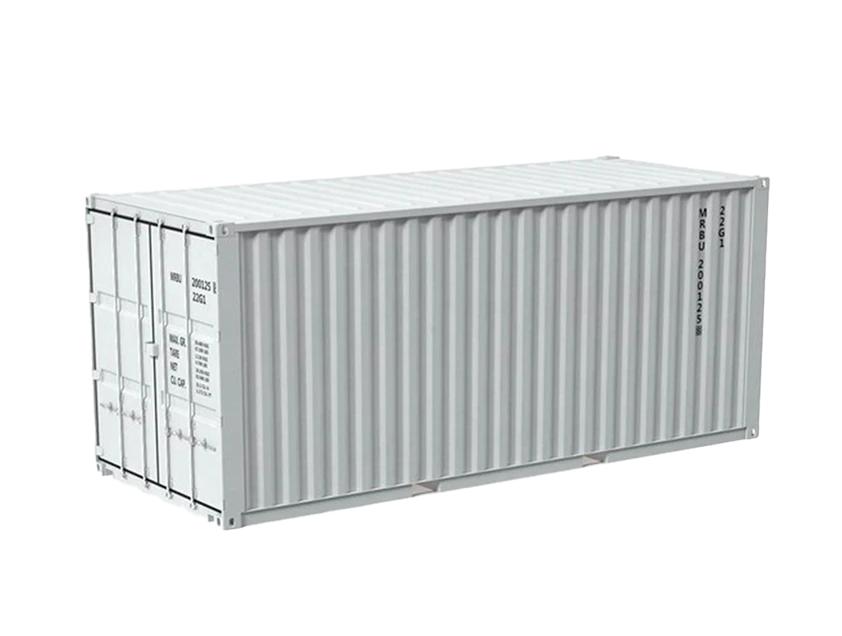
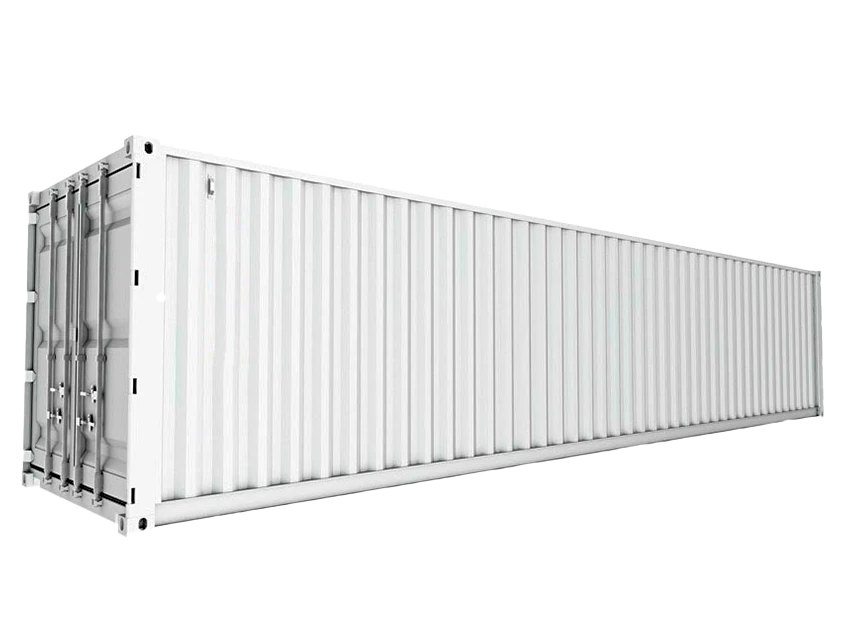
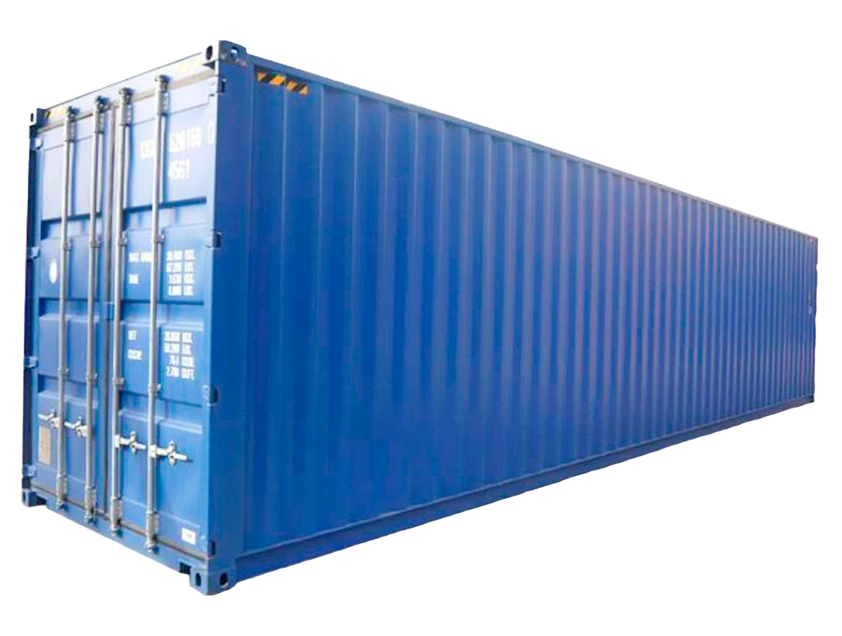
At FWFreight, we offer comprehensive international container shipping services tailored to meet your needs. To Cuba, we provide efficient and reliable shipping solutions to destinations worldwide. Here's a breakdown of our shipping options:
LCL (Less than Container Load):
For smaller shipments that don't fill an entire container, our LCL service is the perfect solution. We consolidate multiple shipments into one container, saving you time and money. With regular departures to Cuba, your cargo will reach its destination securely and on schedule.
FCL (Full Container Load):
If you have enough cargo to fill a whole container, our FCL service offers exclusive use of a container. This ensures your goods remain secure and minimizes the risk of damage during transit. Choose to 20 FT, 40 FT, or 40 HC containers, depending on the volume and nature of your cargo.
Air Freight:
When time is of the essence, our air freight service provides swift delivery for urgent shipments. With extensive networks and partnerships, we guarantee efficient handling and timely delivery of your cargo to Cuba to destinations across the globe.
Below is a table with shipping rates to Cuba for various types of containers from other countries. You can use these Cuba Quick Quotes as a guideline. To get an Instant Shipping Rate to Cuba for the necessary date, you can send a request.
Importing goods to Cuba from other countries requires a comprehensive understanding of the customs rules and regulations, local tariffs, taxes, import fees, and other legal requirements. Our company, FWFreight, is proficient in facilitating imports to Cuba, ensuring all legal frameworks are strictly adhered to. We also help you understand the 'Shipping Rates to Cuba', which include insurance, freight, and other additional costs that need to be factored into the total shipment price.
When it comes to container transportation to Cuba, we can facilitate both full container load (FCL) and less than container load (LCL) options. Opting for FCL might be cost-effective when shipping large quantities of items, while LCL might be more suitable for smaller quantities. The cost is calculated based on the container size and weight, as well as any specialized handling required. Our shipping company ensures that all import duties, taxes and fees are taken into account to provide the most accurate cost estimation possible.
For air transportation to Cuba, several elements need particular attention. It is crucial to be aware that weight and volume significantly impact the shipping cost when sending goods via air. We also take into account airport fees, safety charges, and any potential charges for specialized handling for certain types of goods. Our company provides expert advice on the best practices for air transportation, ensuring your shipments reach their destination in Cuba efficiently and cost-effectively.