FWFreight is a premier logistics provider with an established reputation for dependable and efficient freight shipping to Lebanon. We offer a comprehensive suite of services, ensuring that all your shipping needs are met under one roof. Our core services include sea, air, rail, truck, and forwarding services, each designed to fulfill various shipping requirements for our diverse clientele. With FWFreight, you are guaranteed a seamless shipping experience, whether for domestic exporters or international shipping to Lebanon from other countries. Our proficiency in import to Lebanon, supported by strong market intelligence, allows us to offer the most competitive rates, making us your reliable partner in logistics.
From a service perspective, our company stands as a paragon in the logistics industry. We understand that every customer is unique and requires tailored solutions. Our staff works around the clock to ensure each consignment, regardless of its size or complexity, is handled meticulously and delivered on time. We strive to exceed our customers' expectations at every step of their journey with us, offering world-class customer service. Whether you require air freight for urgent delivery, sea freight for cost-effective large volume shipments, rail, or truck services for domestic transportation, our company provides the finest services. Leveraging modern technology and in-depth expertise, we ensure freight shipping to Lebanon and beyond is a streamlined and hassle-free process for our esteemed customers.
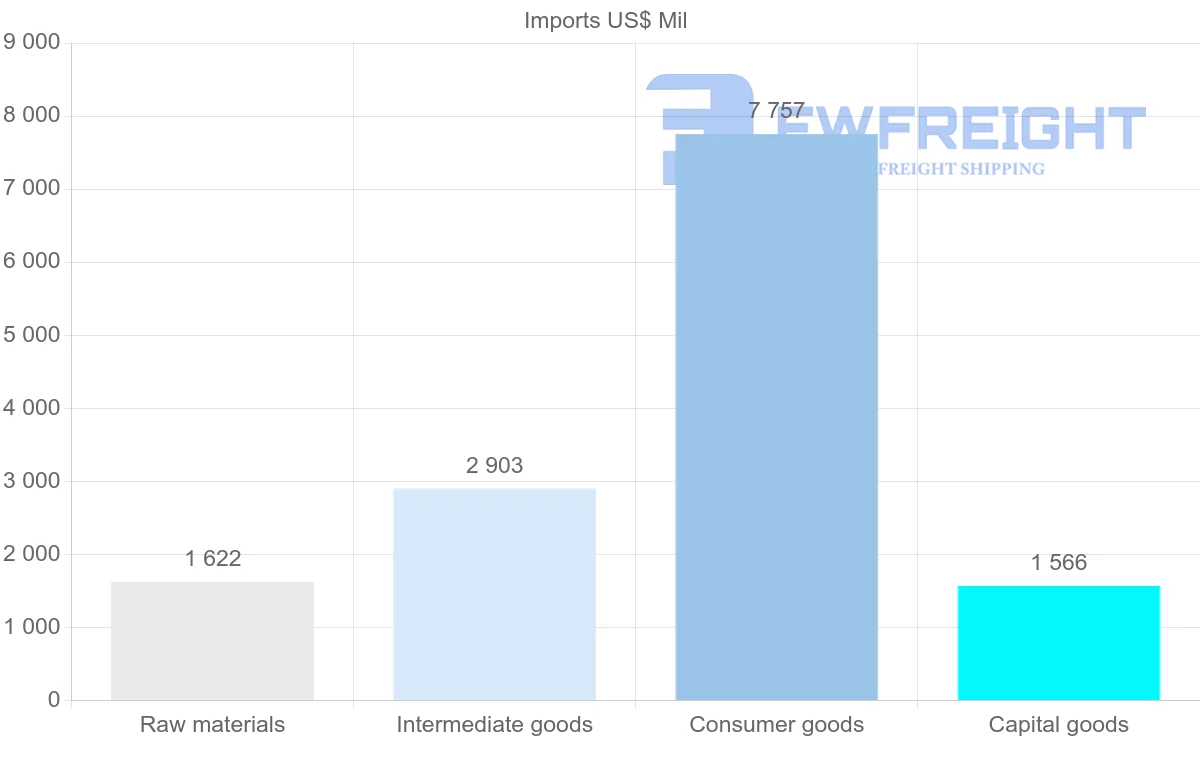 The graph presents a clear distribution of Lebanon's imports across four main product categories, namely Raw Materials, Intermediate Goods, Consumer Goods, and Capital Goods. Raw materials, accounting for 11.71% of total imports, represent a value of $1,622 million. These are basic materials extracted from the environment, such as timber, coal, and metal, which are processed into finished goods. The next category is Intermediate Goods, which make up 20.95% of the import share valued at $2,903 million. These are semi-finished goods used in the production of other goods like steel, car parts, or fabrics.
The Consumer Goods category dominates Lebanon's imports, accounting for 55.98% of the total import volume and valued at $7,757 million. These goods are purchased by final consumers for personal use, including items like clothing, food, and electronics. Finally, Capital Goods make up the smallest portion of imports, at 11.30% or $1,566 million. These are tangible assets that a company uses to produce goods or services, such as machinery, tools and buildings. They are significant because they enable companies to increase their output through improved productivity and efficiency. Thus, the graph provides a snapshot of Lebanon's import landscape, where Consumer goods take the lion's share, followed by Intermediate goods, Raw materials, and Capital goods.
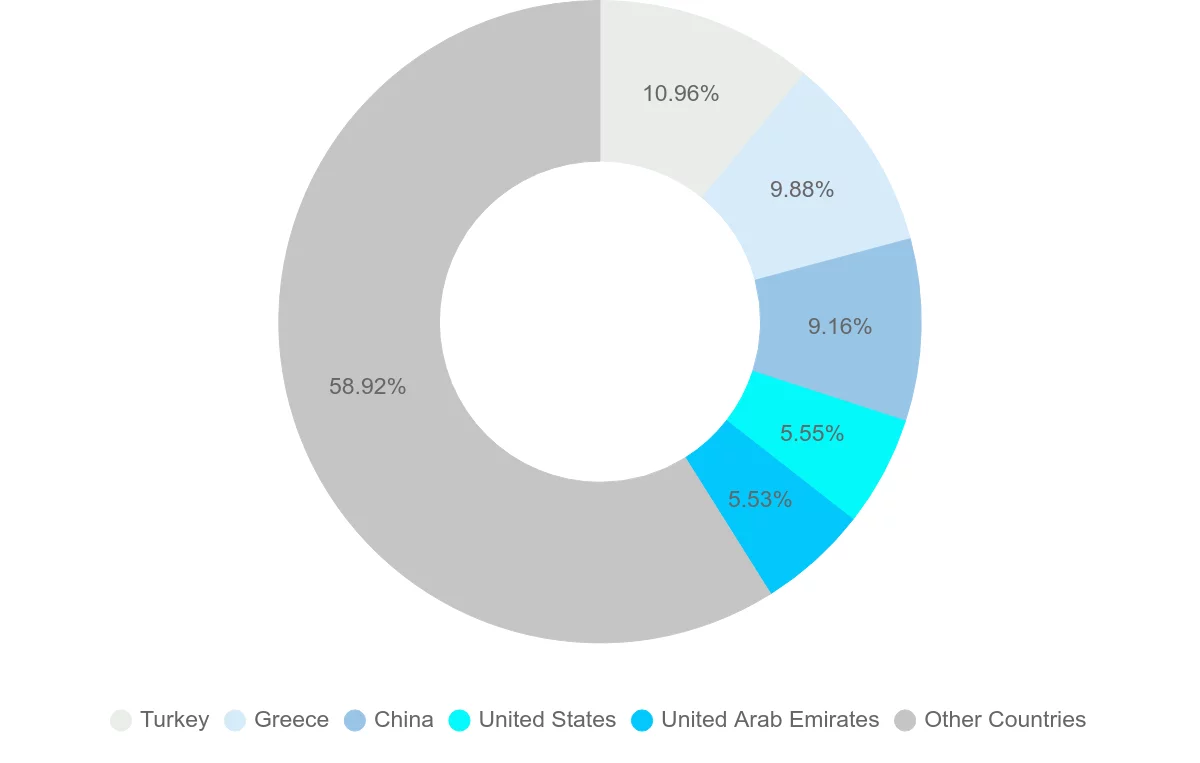 Lebanon's Top 5 Import Partners all contribute significantly to the country's economy, with the trade volumes amounting to thousands of US dollars. Turkey leads the pack, with a trade volume of 1519 million US dollars, making up 10.96% of Lebanon's total trade. The goods imported from Turkey are varied, with the main categories including textiles, vehicles, machinery, and iron and steel products.
Greece is the second largest trading partner, with a trade volume of 1369 million US dollars, representing 9.88% of Lebanon's total trade. The majority of goods imported from Greece include foodstuffs, petroleum products, chemicals, and manufactured goods. China follows closely with a trade volume of 1270 million US dollars, representing 9.16% of Lebanon's total trade. Electronics, machinery, textiles, and plastics are the main categories of goods imported from China.
The United States is Lebanon's fourth largest trading partner, with a trade volume of 769 million US dollars, which accounts for 5.55% of Lebanon's total trade. The key categories of goods imported from the United States include transport equipment, machinery, foodstuffs, and raw materials. Lastly, United Arab Emirates has a trade volume of 767 million US dollars, making up 5.53% of Lebanon's total trade. Lebanon chiefly imports petroleum products, machinery, electronics, and precious metals from United Arab Emirates.
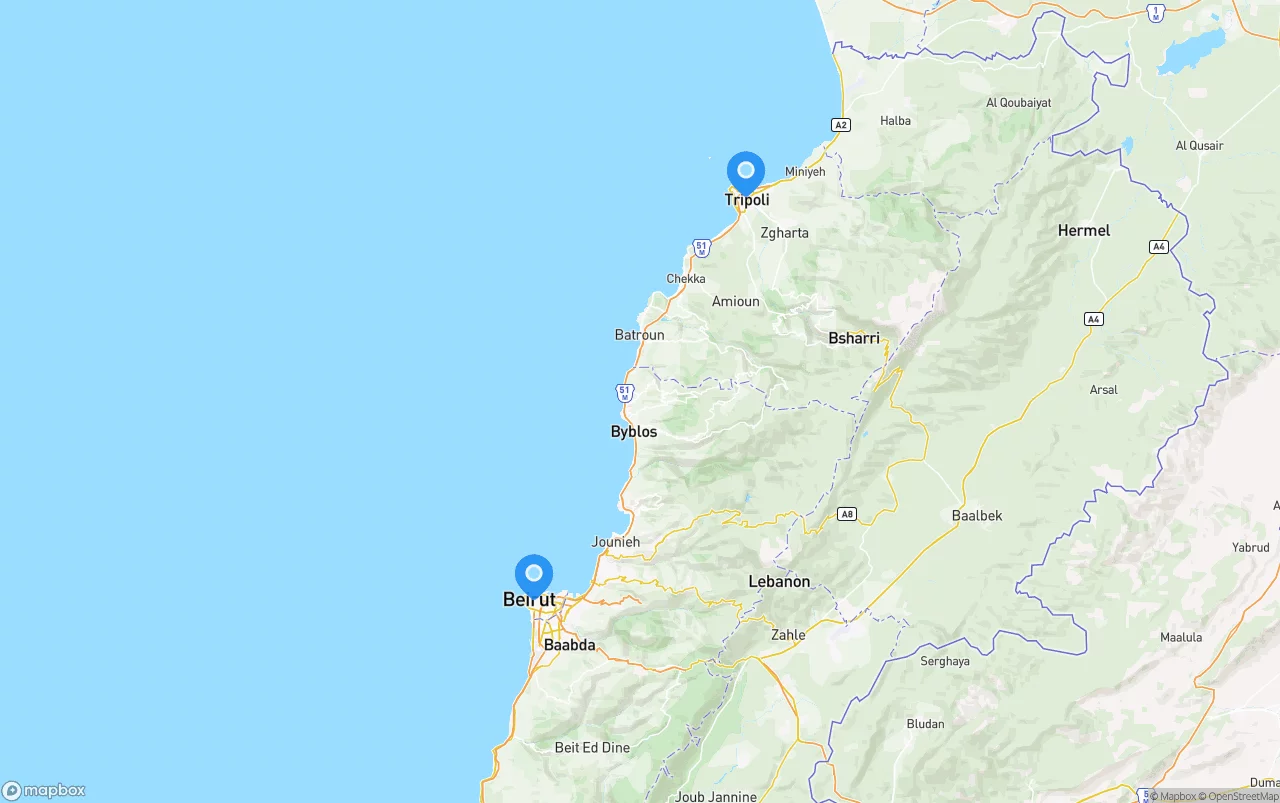 - Beirut Port: Beirut Port is the main port of Lebanon and the largest commercial port in the country. It is located in the capital city of Beirut and serves as a major hub for trade and commerce. The port handles a wide range of cargo including containers, bulk cargo, and general cargo. Beirut Port is equipped with modern facilities and infrastructure to handle large volumes of cargo efficiently.
- Tripoli Port: Tripoli Port is located in the city of Tripoli in northern Lebanon. It is the second largest commercial port in the country and serves as an important gateway for trade in the region. Tripoli Port handles a variety of cargo including containers, bulk cargo, and livestock. The port is equipped with modern facilities and has undergone recent expansions to accommodate increasing trade volumes.
- Chekka Port: Chekka Port is a small commercial port located in the town of Chekka in northern Lebanon. The port primarily handles bulk cargo such as grains, cement, and fertilizers. Chekka Port plays a significant role in facilitating the import and export of goods in the region. Despite its relatively small size, the port is an important economic asset for the local community.
- Jounieh Port: Jounieh Port is a medium-sized commercial port located in the city of Jounieh along the Mediterranean coast. The port mainly handles passenger traffic and serves as a popular destination for cruise ships and ferries. Jounieh Port also handles a limited amount of cargo including containers and general cargo. The port is known for its scenic location and vibrant waterfront area.
- Selaata Port: Selaata Port is a small commercial port located in the town of Selaata in northern Lebanon. The port primarily handles bulk cargo such as grains, fertilizers, and construction materials. Selaata Port plays a key role in supporting the local economy and facilitating the import and export of goods in the region.
Other ports in Lebanon include Amchit Port, Sidon Port, and Tyre Port. These ports also serve important roles in facilitating trade and commerce in their respective regions.
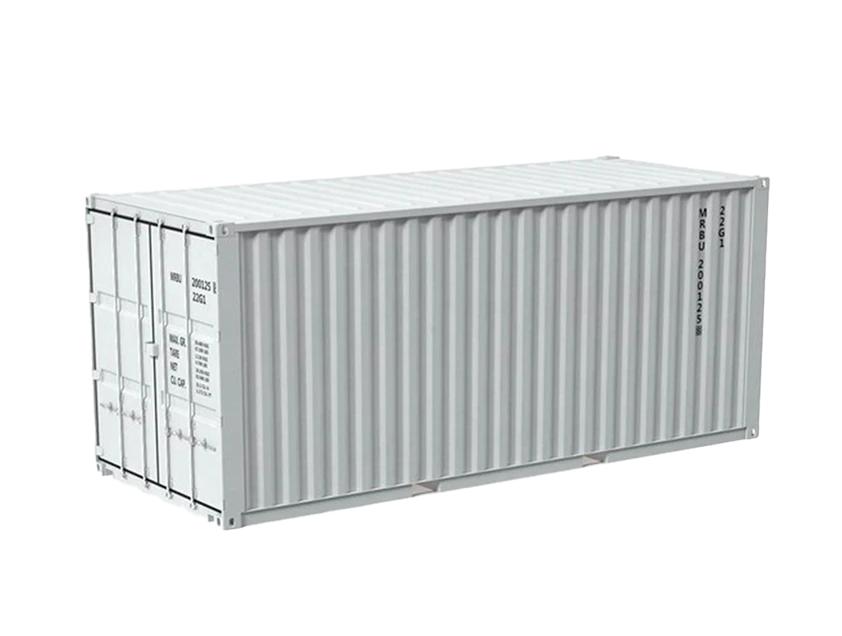
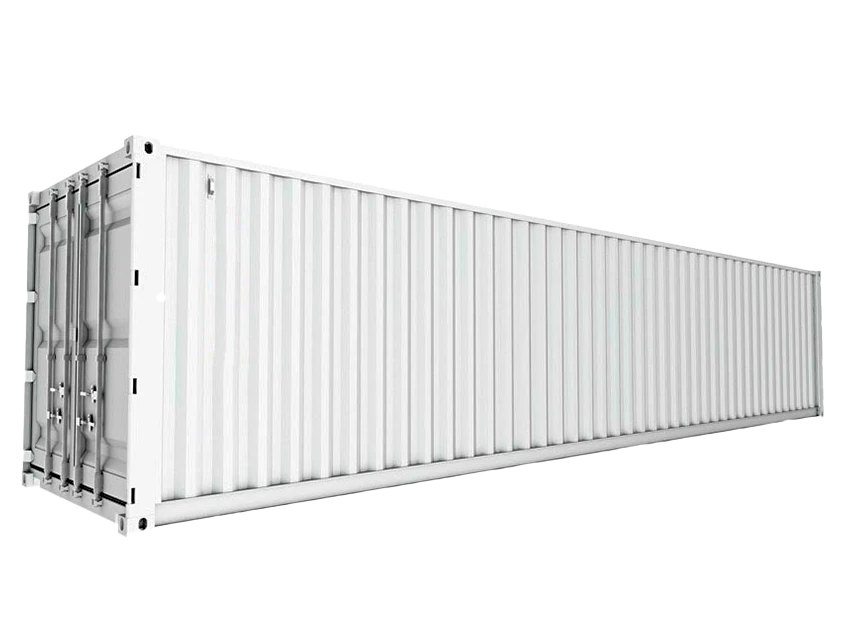
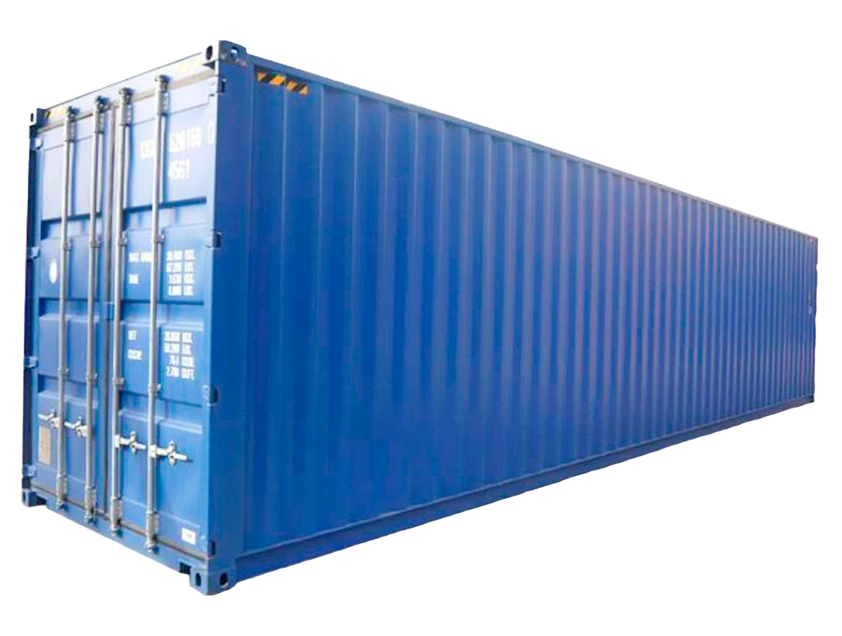
At FWFreight, we offer comprehensive international container shipping services tailored to meet your needs. To Lebanon, we provide efficient and reliable shipping solutions to destinations worldwide. Here's a breakdown of our shipping options:
LCL (Less than Container Load):
For smaller shipments that don't fill an entire container, our LCL service is the perfect solution. We consolidate multiple shipments into one container, saving you time and money. With regular departures to Lebanon, your cargo will reach its destination securely and on schedule.
FCL (Full Container Load):
If you have enough cargo to fill a whole container, our FCL service offers exclusive use of a container. This ensures your goods remain secure and minimizes the risk of damage during transit. Choose to 20 FT, 40 FT, or 40 HC containers, depending on the volume and nature of your cargo.
Air Freight:
When time is of the essence, our air freight service provides swift delivery for urgent shipments. With extensive networks and partnerships, we guarantee efficient handling and timely delivery of your cargo to Lebanon to destinations across the globe.
Below is a table with shipping rates to Lebanon for various types of containers from other countries. You can use these Lebanon Quick Quotes as a guideline. To get an Instant Shipping Rate to Lebanon for the necessary date, you can send a request.
Importing goods to Lebanon may be a complex task due to its specific customs requirements and specialized duties. Knowledge of the country's customs regulations, documentation requirements, and tariff rates is crucial to ensure a smooth process. FWFreight is experienced in guiding clients through this process, providing the best shipping rates to Lebanon and ensuring compliance with all relevant regulations.
Container transportation to Lebanon is a popular choice due to its cost-effectiveness and efficiency for large shipments. However, it necessitates careful planning and coordination, particularly in terms of customs clearance and handling procedures. Factors to consider include container size, weight restrictions, and the type of goods being shipped. Our shipping company provides comprehensive services, taking into account these factors to provide the most efficient and cost-effective solutions.
For time-sensitive shipments, air transportation to Lebanon is the optimal choice. Despite being more expensive than container transportation, this method offers speed and efficiency. However, it comes with its own set of restrictions, particularly concerning weight and size of the packages. The increased cost also influences the calculation of the customs duties, as they are based on the total shipping costs. Our company can help navigate these complexities, ensuring a quick and easy clearance process while minimizing costs.