As a premier provider of logistics solutions, FWFreight paves the way for seamless and efficient freight shipping to Zimbabwe. Serving a variety of domestic exporters and international importers, we specialize in the import to Zimbabwe, ensuring that each shipment is handled with the utmost professionalism and expertise. Our comprehensive approach covers the whole spectrum of logistics, providing sea, air, rail, truck, and forwarding services tailored to the unique needs of our clientele. Whether you're in need of international shipping to Zimbabwe from other countries or handling domestic freight, rest assured you've come to the right place with FWFreight.
From a service perspective, our shipping company stands proudly at the forefront of the global logistics industry. We strive to deliver unmatched service quality, ensuring that each customer's logistical needs are catered to with precise attention to detail. Our expertise is not limited to shipping; we offer a full suite of services that includes planning, execution, and tracking, guaranteeing that each shipment gets to its destination safely, efficiently, and in a timely manner. True to our commitment of providing the best service in the world, the team at FWFreight stops at nothing to ensure complete customer satisfaction. You can count on us for reliable, professional, and competitively priced logistics solutions.
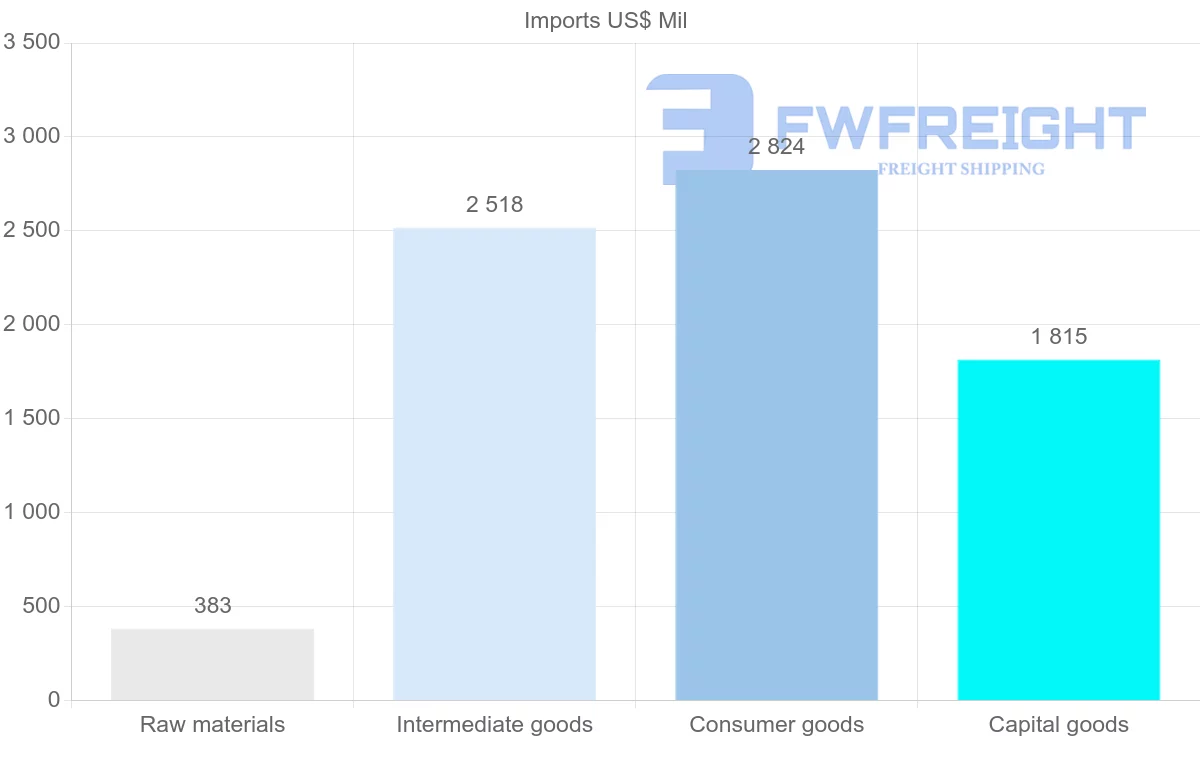 This graph details the distribution of imports across different product types in Zimbabwe, emphasizing the top five import goods. Raw materials, with a value of 383 million US dollars, account for a 5.06% share of the total import volume. These are basic substances in their natural, modified, or semi-processed state used to manufacture goods. Intermediate goods, which make up 33.24% of Zimbabwe's imports amount to 2518 million US dollars. They are partially completed goods, used in the production of other goods.
Curiously, consumer goods lead the pack with 37.26% import share, equating to 2824 million US dollars. These are goods bought for consumption by the average consumer, including durables like cars and smartphones, and non-durables such as food and drinks. Capital goods represent 23.95% of total imports, with a value of 1815 million US dollars. These are physical assets that a company uses in the production process to manufacture goods and services that consumers will use. This category includes buildings, machinery, equipment, vehicles, and tools. Through this graph, we see a higher preference for consumer goods imports in Zimbabwe, with significant input also from capital and intermediate goods. Raw materials, though the least in import value, still contribute a significant part to the overall import structure.
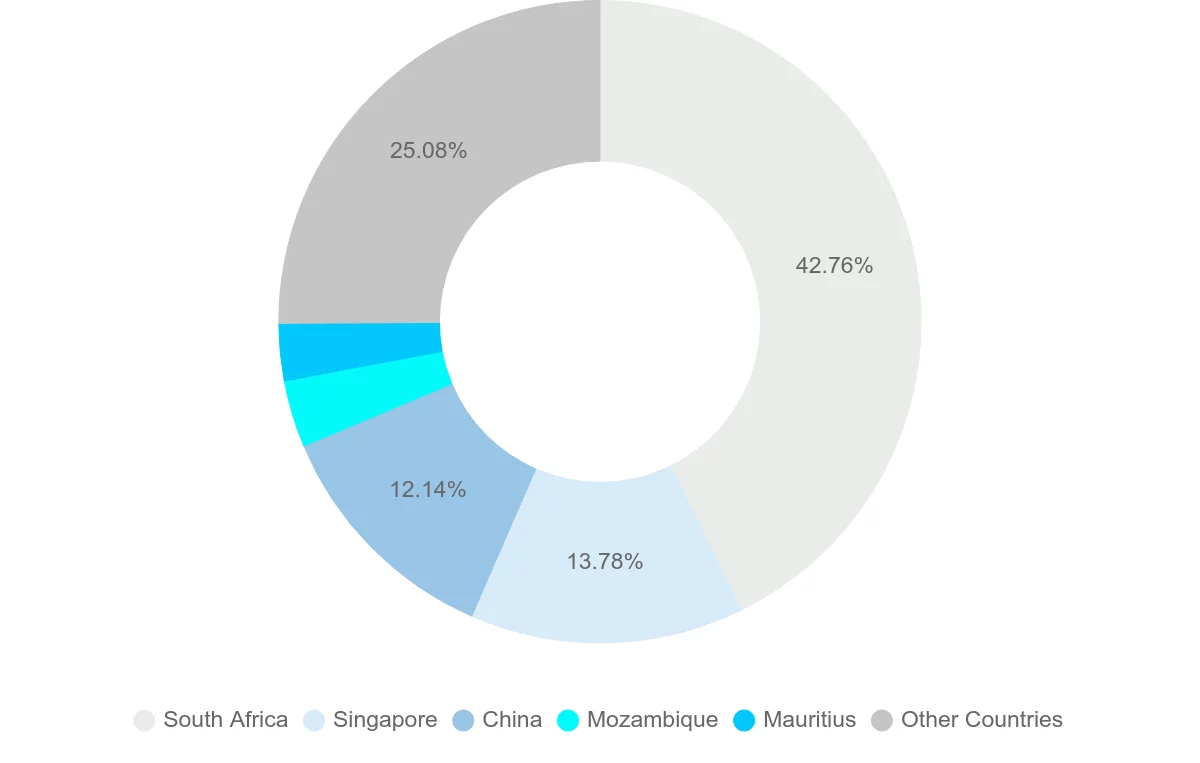 Zimbabwe's top five import partners include South Africa, Singapore, China, Mozambique, and Mauritius. South Africa's trade volume with Zimbabwe is the most significant, standing at $3240M, which equates to 42.76% of Zimbabwe's total import. The main categories of goods imported from South Africa include machinery, vehicles, chemicals, fuel, and iron and steel. Following South Africa is Singapore, with a trade volume of $1044M, making up 13.78% of Zimbabwe's total imports. The prominent import categories from Singapore comprise mainly of machinery and mineral fuels.
China is the third significant import partner to Zimbabwe with a trade volume of $920M, accounting for 12.14% of the total imports. The key categories of goods imported from China are machinery, electrical equipment, vehicles, and plastics. The fourth country is Mozambique, which accounts for 3.36% of Zimbabwe's total imports with a trade volume of $255M. The country primarily exports mineral fuels, aluminium, and seafood to Zimbabwe. Lastly, Mauritius's trade volume with Zimbabwe is $218M, which corresponds to 2.88% of Zimbabwe's total imports. The main goods imported from Mauritius include textile fibers, sugar, and cereal.
These top five import partners play an integral role in Zimbabwe's economy, providing essential goods that support various sectors within the country. Therefore, maintaining strong trade relations with them remains a crucial focus for Zimbabwe.
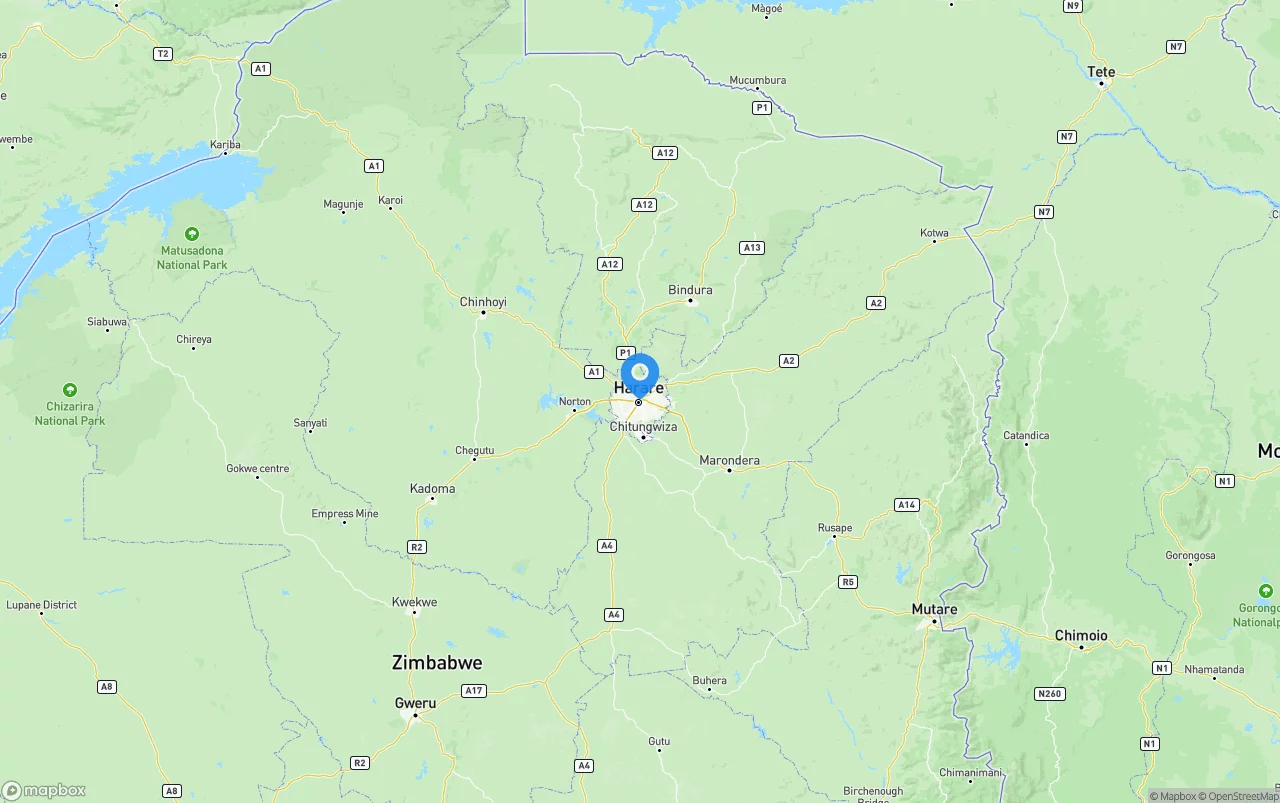 - Harare Port: Harare Port is the main port in Zimbabwe, located in the capital city of Harare. It serves as a crucial hub for the country's imports and exports, handling a variety of goods including agricultural produce, minerals, and manufactured products. The port is connected to major highways and railways, facilitating the transportation of cargo to and from the port. Harare Port plays a significant role in Zimbabwe's economy, contributing to the growth of trade and commerce in the region.
- Bulawayo Port: Bulawayo Port is another important commercial port in Zimbabwe, located in the city of Bulawayo. It serves as a key hub for the transportation of goods in the southern region of the country. The port handles a variety of commodities, including agricultural products, machinery, and raw materials. Bulawayo Port is well-connected to major transportation networks, allowing for efficient movement of cargo to various destinations.
- Chinhoyi Port: Chinhoyi Port is a smaller port located in the city of Chinhoyi, serving as a vital link for trade in the northern region of Zimbabwe. The port primarily handles agricultural produce, mining equipment, and consumer goods. Chinhoyi Port plays a crucial role in connecting the landlocked regions of Zimbabwe to international markets, contributing to the economic development of the area.
- Mutare Port: Mutare Port is situated in the city of Mutare, serving as a key gateway for trade in the eastern region of Zimbabwe. The port handles a diverse range of goods, including agricultural products, construction materials, and fuel. Mutare Port is strategically located near the border with Mozambique, facilitating cross-border trade and enhancing regional connectivity.
- Kariba Port: Kariba Port is located on the shores of Lake Kariba, serving as an important port for the transportation of goods in the western region of Zimbabwe. The port handles cargo such as fish products, agricultural produce, and construction materials. Kariba Port plays a significant role in supporting the local fishing industry and promoting economic activity in the area.
Other ports in Zimbabwe include Victoria Falls Port, Binga Port, and Nyamapanda Port. Each of these ports serves a specific region in Zimbabwe and contributes to the country's overall trade and economic growth.
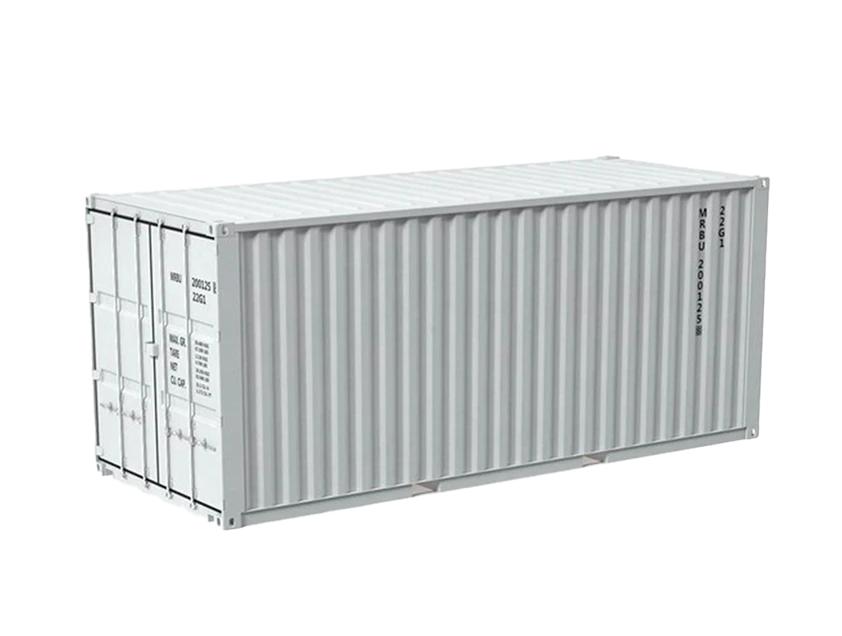
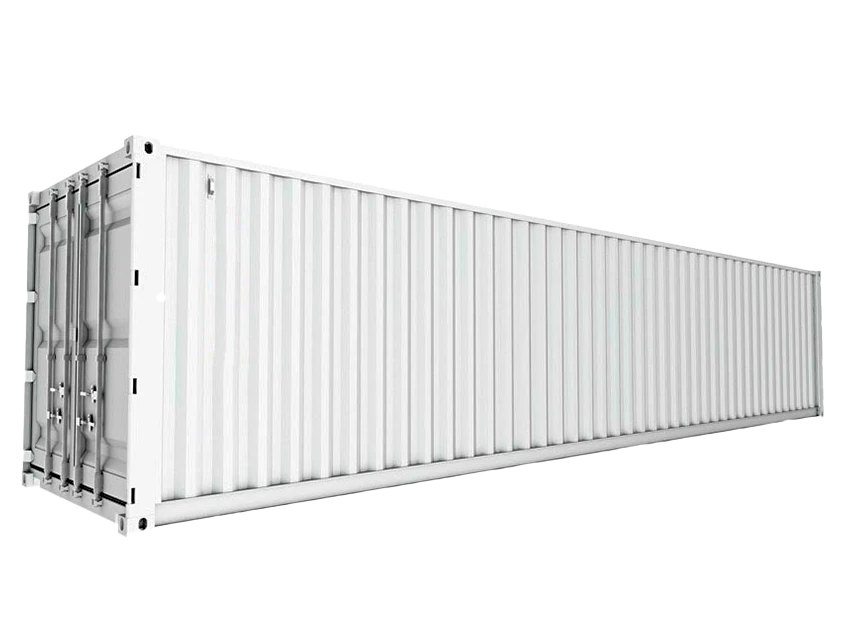
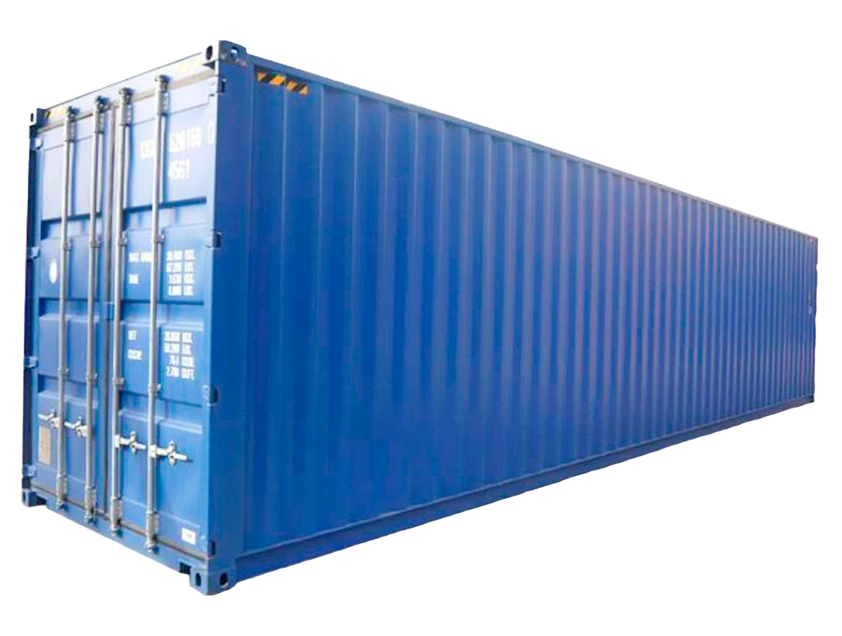
At FWFreight, we offer comprehensive international container shipping services tailored to meet your needs. To Zimbabwe, we provide efficient and reliable shipping solutions to destinations worldwide. Here's a breakdown of our shipping options:
LCL (Less than Container Load):
For smaller shipments that don't fill an entire container, our LCL service is the perfect solution. We consolidate multiple shipments into one container, saving you time and money. With regular departures to Zimbabwe, your cargo will reach its destination securely and on schedule.
FCL (Full Container Load):
If you have enough cargo to fill a whole container, our FCL service offers exclusive use of a container. This ensures your goods remain secure and minimizes the risk of damage during transit. Choose to 20 FT, 40 FT, or 40 HC containers, depending on the volume and nature of your cargo.
Air Freight:
When time is of the essence, our air freight service provides swift delivery for urgent shipments. With extensive networks and partnerships, we guarantee efficient handling and timely delivery of your cargo to Zimbabwe to destinations across the globe.
Below is a table with shipping rates to Zimbabwe for various types of containers from other countries. You can use these Zimbabwe Quick Quotes as a guideline. To get an Instant Shipping Rate to Zimbabwe for the necessary date, you can send a request.
Importing goods to Zimbabwe requires comprehensive understanding of the nation's import regulations. At FWFreight, we guide our clients through complex tasks from determining customs duties to applying for required certifications, ensuring a smooth import process. The cost of importing to Zimbabwe largely depends on the value, type, and weight of the goods being shipped. Specialized duties also apply, including excise duty, import duty, and Value Added Tax (VAT), which must be factored into the overall cost calculation.
Container transportation to Zimbabwe is the most common method of shipping goods to this landlocked country. It offers ample space for larger shipments, making it cost-effective for bulk cargo. The Shipping Rates to Zimbabwe for this type of transport are competitive with our company, but prices tend to fluctuate based on the perceived risk and market demand. We offer both Full Container Load (FCL) and Less Than Container Load (LCL) shipping options to cater to different client needs.
Air transportation to Zimbabwe is typically utilized for high-value, time-sensitive, or perishable products. This method is faster than container shipping but generally costs more. Our shipping company provides air freight services that ensure prompt and safe delivery of goods. When calculating air freight costs, the weight and volume of the goods, shipping destination, and type of goods being shipped are considered. Each of these factors contributes to the total cost, offering a tailored solution for our clients' unique requirements.