FWFreight specializes in providing top-notch freight shipping solutions from Afghanistan. Our core services are designed to cater to a variety of logistics needs, designed to reassure our clients they have chosen the right logistics partner. Our expertise covers sea, air, rail, truck and forwarding services, encompassing a broad spectrum of logistics requirements. Whether you are a domestic exporter seeking a reliable partner for freight shipping from Afghanistan or an international importer looking for a comprehensive logistics solution, confidence comes from knowing our company ensures timely and efficient delivery for your business.
At FWFreight, we are driven by a customer-centric approach. We pride ourselves on offering the best service in the world for every customer. From personalized service tailored to meet individual client requirements to our commitment to quality and excellence, our company stands as a beacon of reliability and efficiency in the logistics sector. We understand that the success of our clients' business relies on our ability to provide seamless and efficient international shipping from Afghanistan. Our dedicated team of professionals works tirelessly to ensure the ultimate satisfaction of each client, making us a trusted name in global logistics solutions.
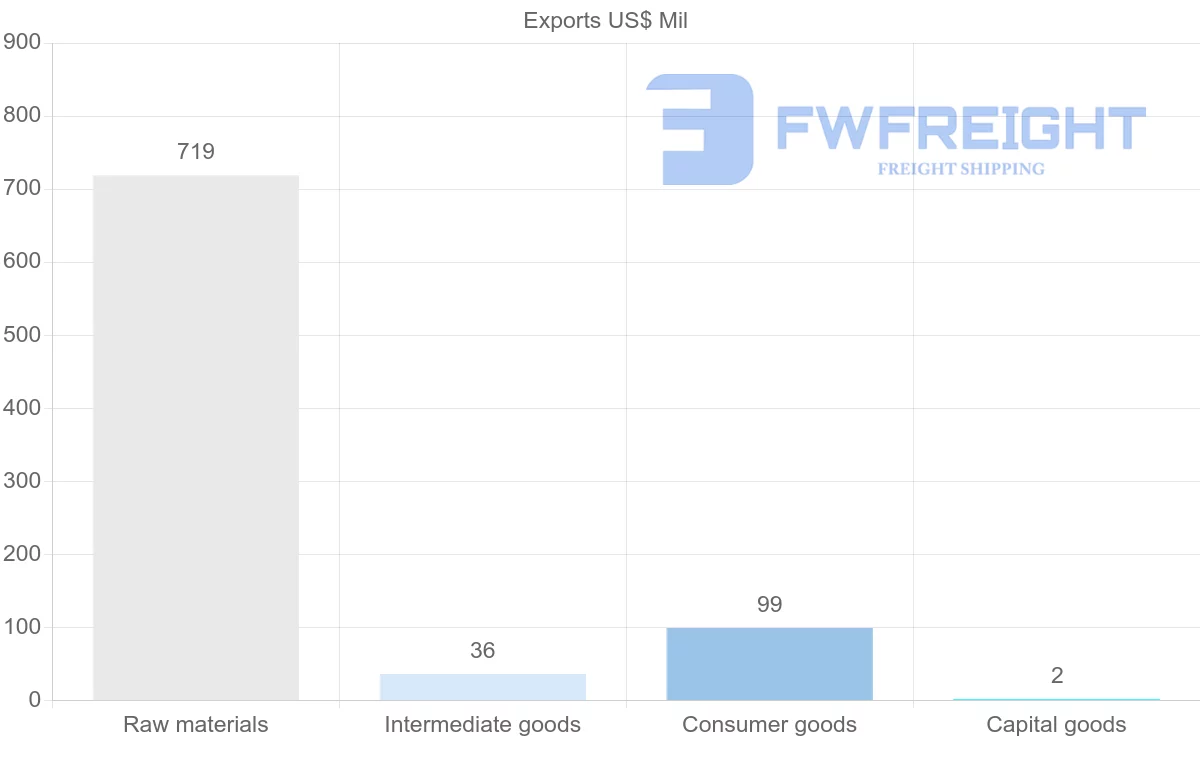 This graph represents the distribution of exports across different product categories in Afghanistan's top five export goods. The product categories include Raw materials, Intermediate goods, Consumer goods, and Capital goods. Raw materials, with a whopping 82.59% product share, account for exports worth US$719 million, showing a heavy dependency on these products for the country's export economy. These are materials in their unprocessed, natural state, extracted from the earth, and used in the early stages of production. For instance, it includes goods like ores, crude oil, cotton, etc.
Intermediate goods, with a 4.16% product share, contribute US$36 million to the export value. They are semi-finished goods used in the production of other goods; for example, lumber for furniture or steel for car production. Consumer goods contribute significantly higher, bringing in US$99 million with an 11.34% product share. These goods are finished products bought by households, like vehicles, clothes, or home appliances. Lastly, capital goods, products used to produce other goods and services, like machineries, buildings, etc., feature a minimal share of 0.19%, equating to a mere US$2 million in export value. In conclusion, this distribution highlights the varying degree to which each product category contributes to Afghanistan's total export volume, led overwhelmingly by raw materials.
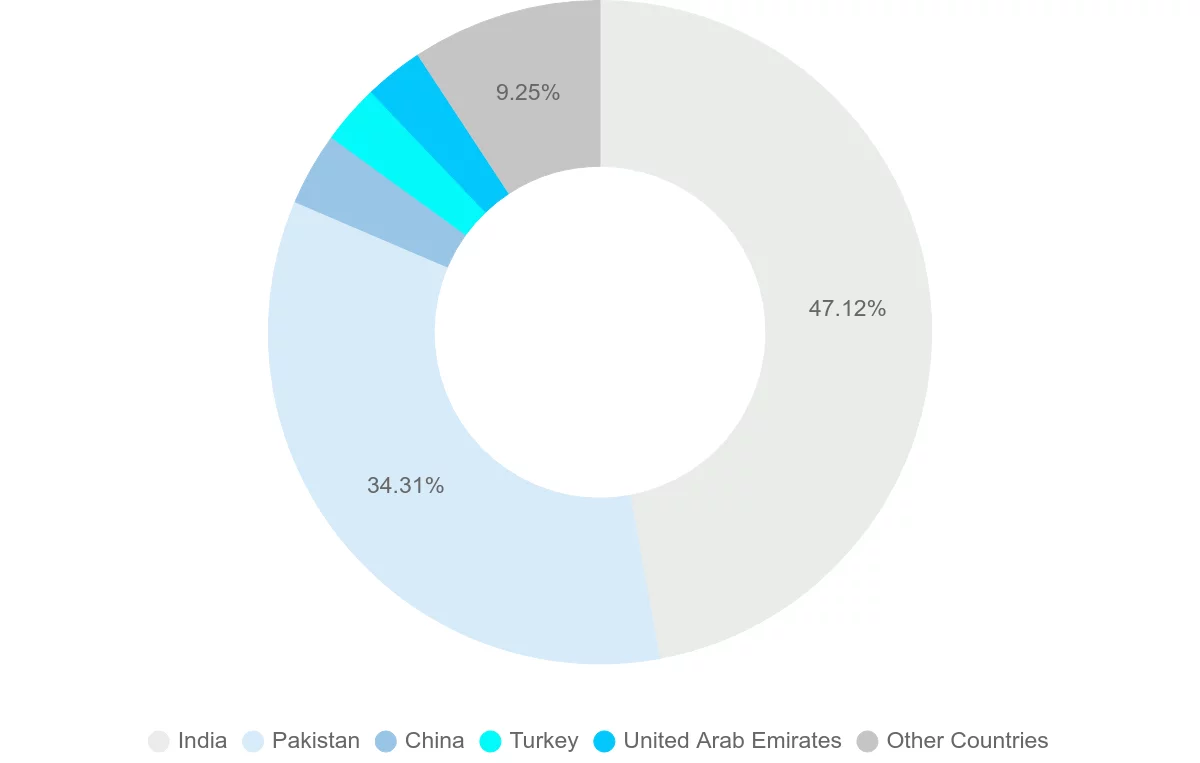 Afghanistan's Top 5 Export Partners significantly impact the nation's economy with their trade volumes. Leading the list is India with an impressive export volume of 410 million US dollars, contributing to 47.12% of Afghanistan's total export share. India's demands are diverse, with a significant portion allocated to the agricultural sector such as dried fruits and nuts, along with raw materials like precious and semi-precious stones. The trade relationship strengthens historical ties between Afghanistan and India, bolstering their economic and political alliance.
Next on the list is Pakistan, with an export volume of 299 million US dollars, amounting to 34.31% of the total export share. The primary export category to Pakistan includes fresh fruits and vegetables, textiles, and cement. China and Turkey, each with an equal export volume of 31 and 25 million US dollars, respectively, constitute 3.56% and 2.89% of the total share. Afghanistan exports raw materials such as copper and iron ore to China, while Turkey primarily imports carpets and other textile floor coverings. Lastly, the United Arab Emirates (UAE) contributes 2.87% of the total export share with an import volume of 25 million dollars, primarily made up of fruits and vegetables, textiles, and precious stones. The trade data illuminates the economic interdependence between Afghanistan and these countries, shaping Afghanistan's external trade practices.
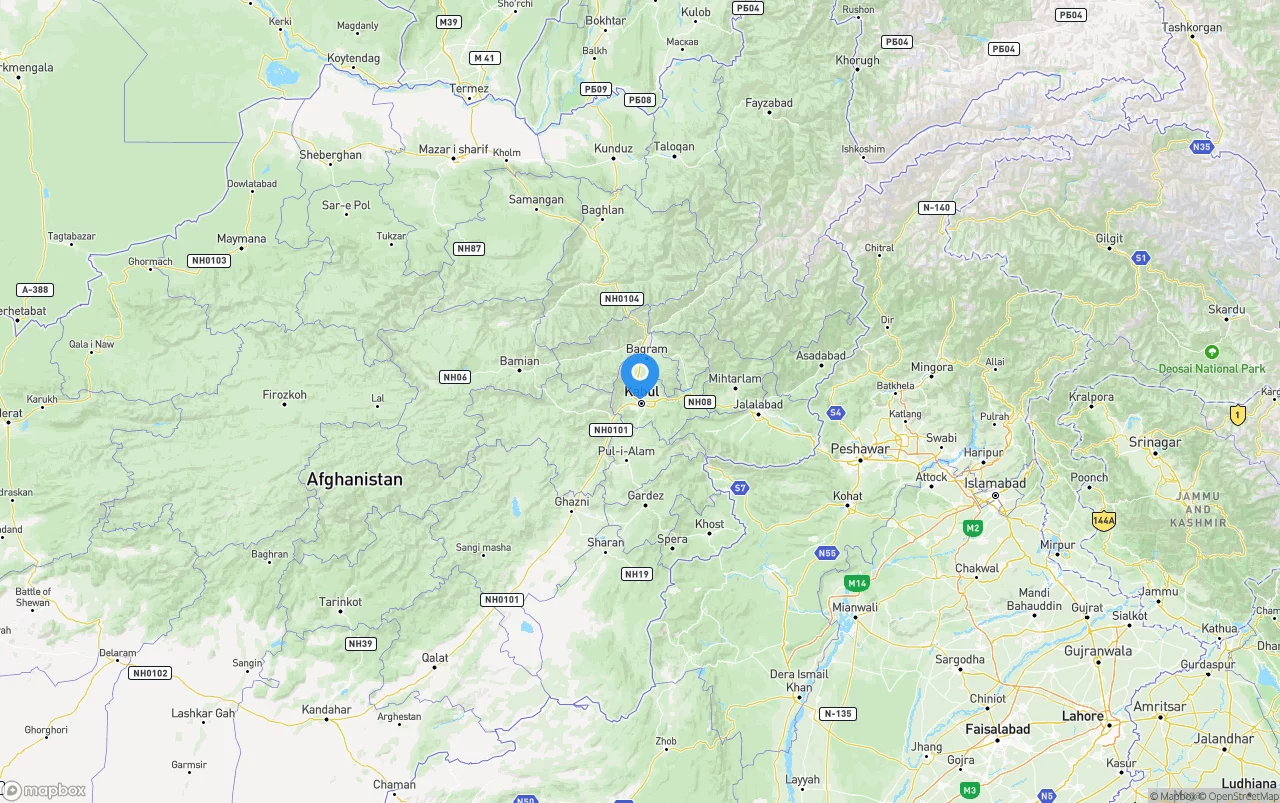 Kabul Port: Kabul Port is the main port of Afghanistan and serves as the country's primary commercial gateway. It is located in the capital city of Kabul and plays a crucial role in facilitating trade between Afghanistan and other countries. The port handles a variety of goods, including agricultural products, textiles, and machinery. Kabul Port is equipped to handle both bulk and containerized cargo, making it a versatile facility for import and export activities.
Kandahar Port: Kandahar Port is another important commercial port in Afghanistan, located in the city of Kandahar. This port primarily handles agricultural products, such as fruits and vegetables, as well as textiles and machinery. Kandahar Port plays a key role in the economy of southern Afghanistan, facilitating trade with neighboring countries.
Mazar-i-Sharif Port: Mazar-i-Sharif Port is located in the city of Mazar-i-Sharif and serves as a key transportation hub in northern Afghanistan. This port specializes in handling bulk cargo, such as construction materials and fuel, as well as consumer goods. Mazar-i-Sharif Port is an important link in the country's trade network, connecting northern Afghanistan with Central Asia and beyond.
Herat Port: Herat Port is situated in the city of Herat and serves as a vital commercial gateway in western Afghanistan. This port is known for handling a wide range of goods, including agricultural products, textiles, and machinery. Herat Port plays a crucial role in facilitating trade with Iran and other neighboring countries, contributing to the economic development of the region.
Jalalabad Port: Jalalabad Port is located in the city of Jalalabad and serves as a key trade gateway in eastern Afghanistan. This port specializes in handling agricultural products, such as fruits and vegetables, as well as textiles and machinery. Jalalabad Port is an important link in the country's trade network, facilitating commerce with Pakistan and other neighboring countries.
Other ports in Afghanistan include:
- Kunduz Port
- Khost Port
- Bamyan Port
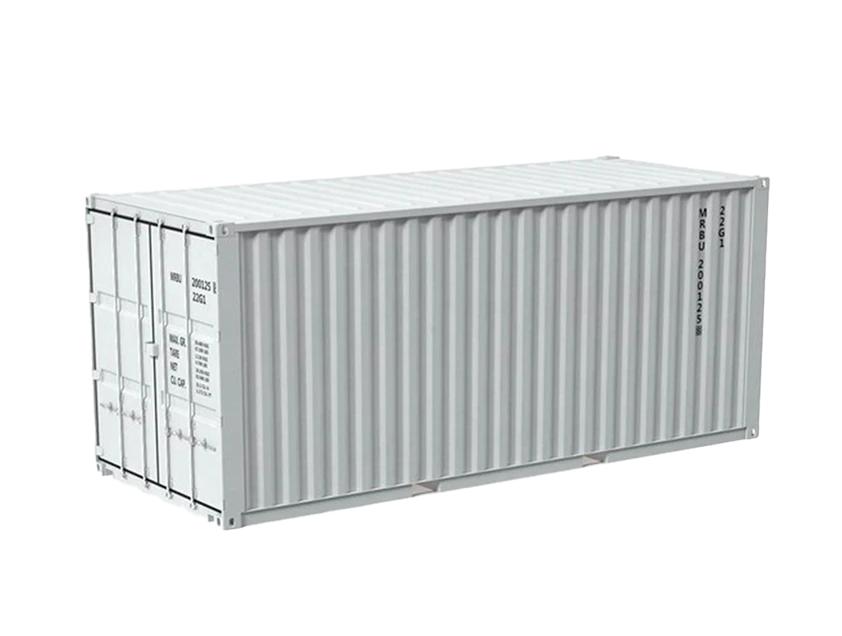
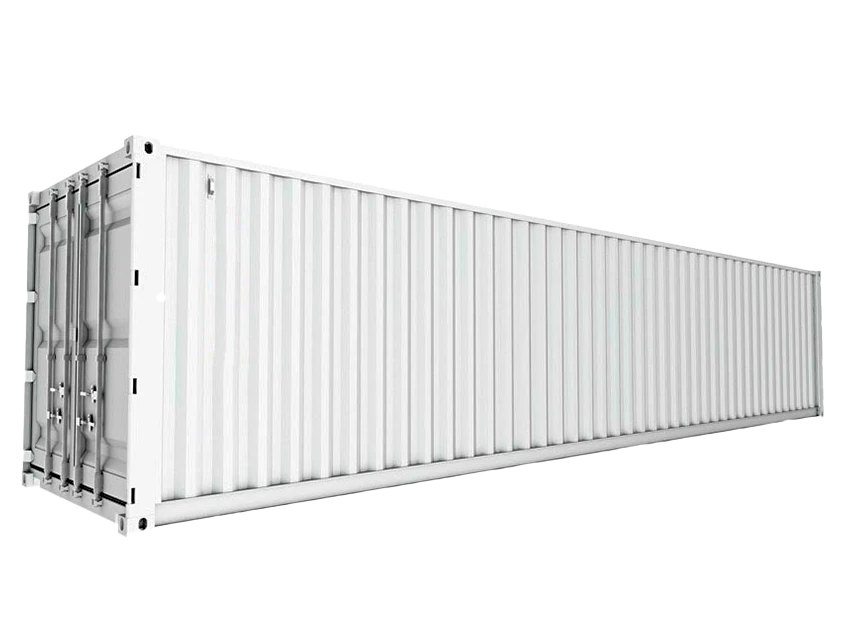
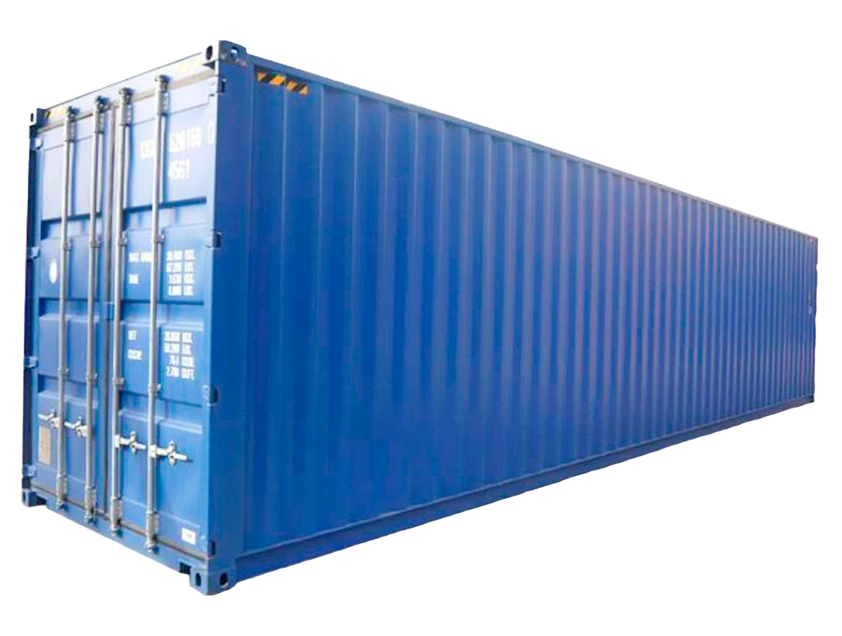
At FWFreight, we offer comprehensive international container shipping services tailored to meet your needs. From Afghanistan, we provide efficient and reliable shipping solutions to destinations worldwide. Here's a breakdown of our shipping options:
LCL (Less than Container Load):
For smaller shipments that don't fill an entire container, our LCL service is the perfect solution. We consolidate multiple shipments into one container, saving you time and money. With regular departures from Afghanistan, your cargo will reach its destination securely and on schedule.
FCL (Full Container Load):
If you have enough cargo to fill a whole container, our FCL service offers exclusive use of a container. This ensures your goods remain secure and minimizes the risk of damage during transit. Choose from 20 FT, 40 FT, or 40 HC containers, depending on the volume and nature of your cargo.
Air Freight:
When time is of the essence, our air freight service provides swift delivery for urgent shipments. With extensive networks and partnerships, we guarantee efficient handling and timely delivery of your cargo from Afghanistan to destinations across the globe.
Below is a table with Shipping Rates from Afghanistan for various types of containers. You can use these Afghanistan Quick Quotes as a guideline. To get an Instant Rate from Afghanistan for the necessary date, you can send a request.
Exporting from Afghanistan typically requires meticulous planning, primarily due to the diverse nature of commodities and specialized export duties. Our company, FWFreight, is highly experienced in this area, providing world-class service in exports worldwide from Afghanistan. We assist with the comprehensive calculation of all costs, including shipping rates, export duties, and any other relevant charges, ensuring that our clients are fully aware of the financial implications of their shipments. This enables the clear understanding of total expenditure under the category 'Shipping Rates from Afghanistan'.
Container transportation from Afghanistan is one of the most common modes of transport used in exports. It is notably affordable and secure, with the capability to handle a wide range of goods, from perishable items to heavy machinery. However, the costs for this type of transportation can vary significantly, largely influenced by the nature of the goods, container size, distance, and the shipping line chosen. We promptly provide transparent pricing models for different container sizes and types, and thoroughly explain all costs associated with this service.
On the other hand, air transportation from Afghanistan is particularly advantageous for urgent or high-value shipments due to its speed and reliability. Despite being more expensive than container transportation, it offers a significant reduction in transit time, which could potentially offset the increased cost for certain commodities. Our shipping company prides itself on seamless export procedures using both commercial and cargo flights, offering competitive rates for this mode of transport. We strive to demystify all the components of the cost, from air freight rates and fuel surcharges to customs fees and insurance costs.